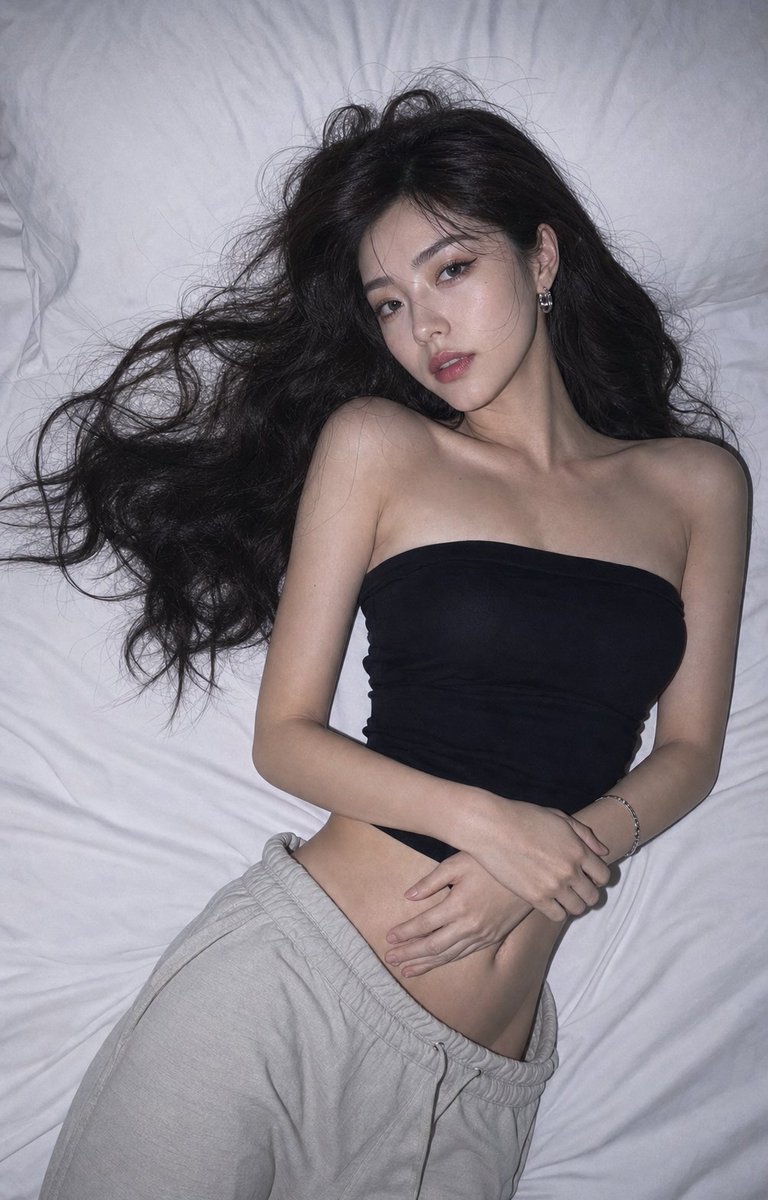
Prompt topic
Portrait & Character AI image prompts
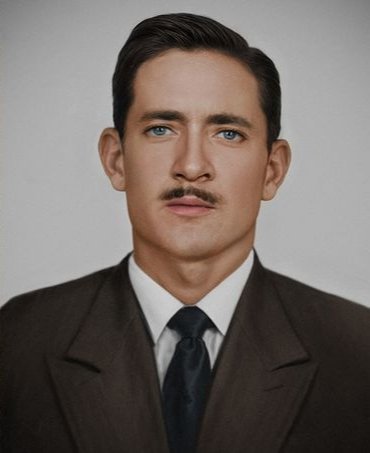
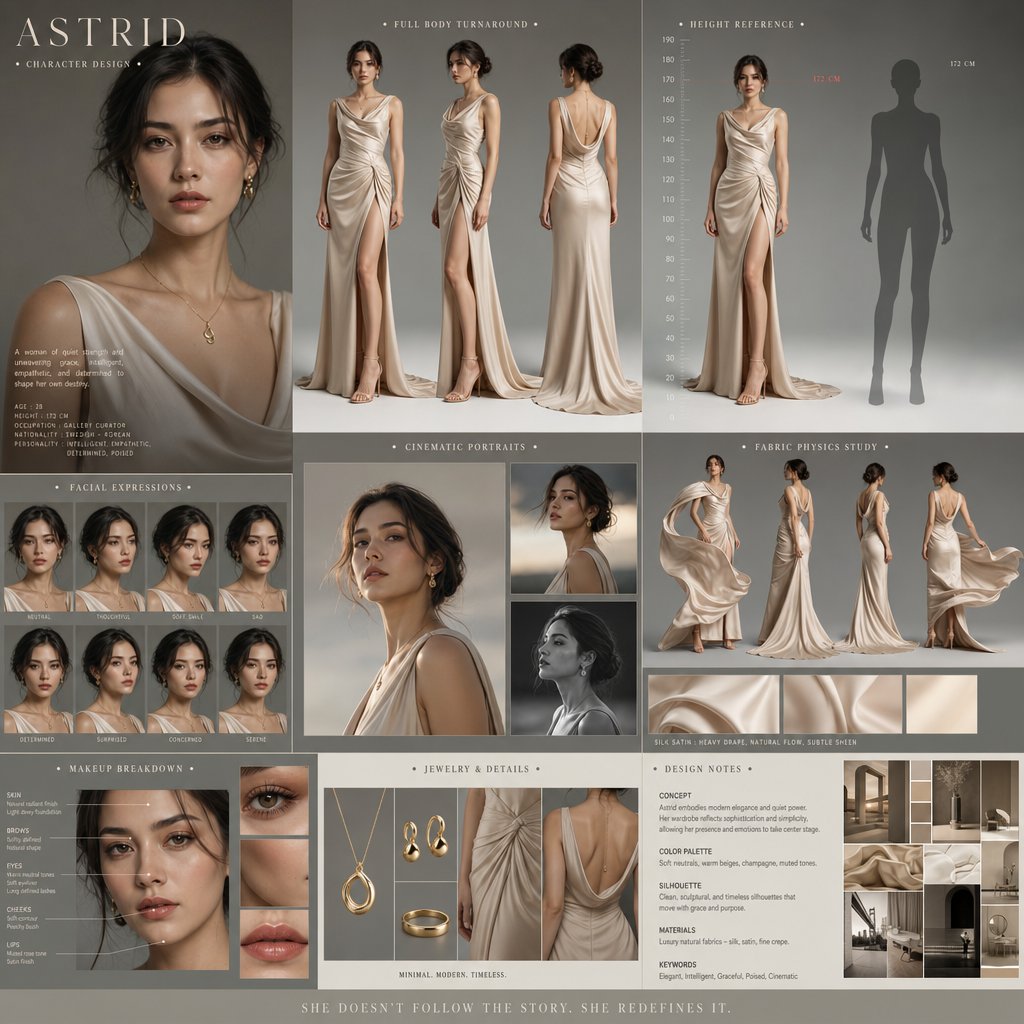
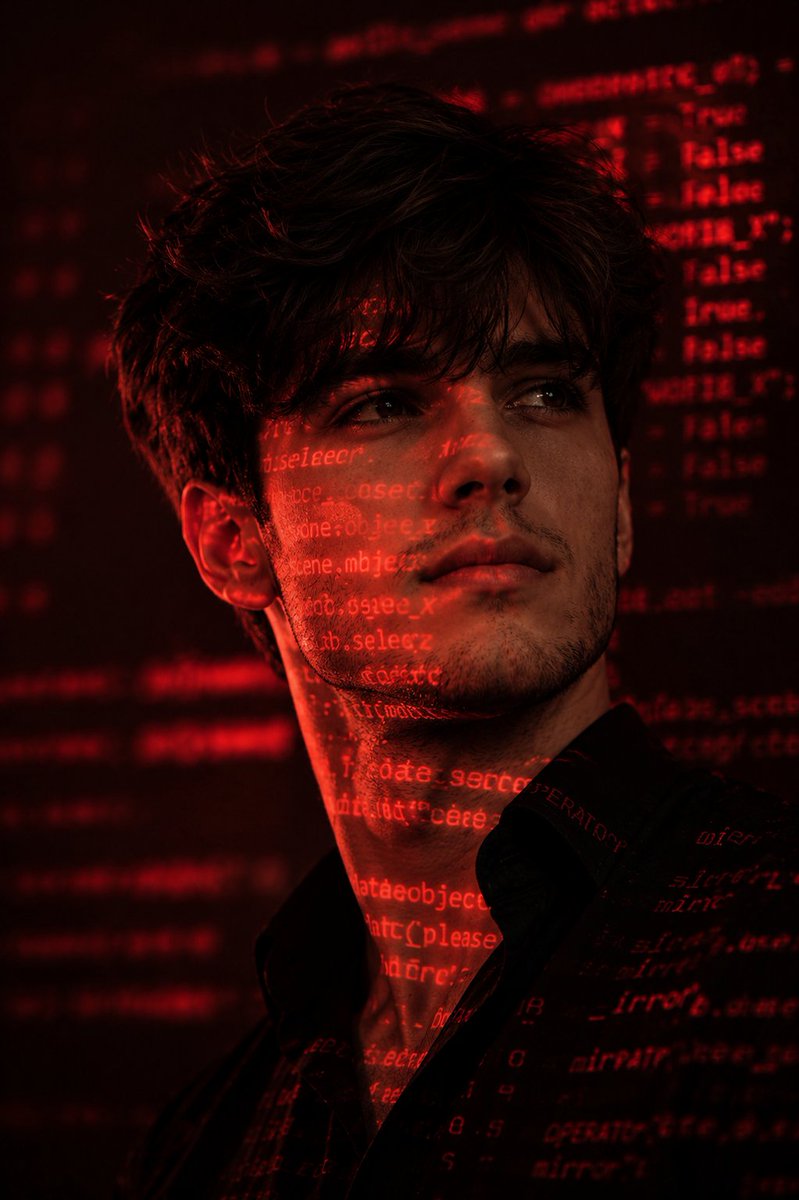
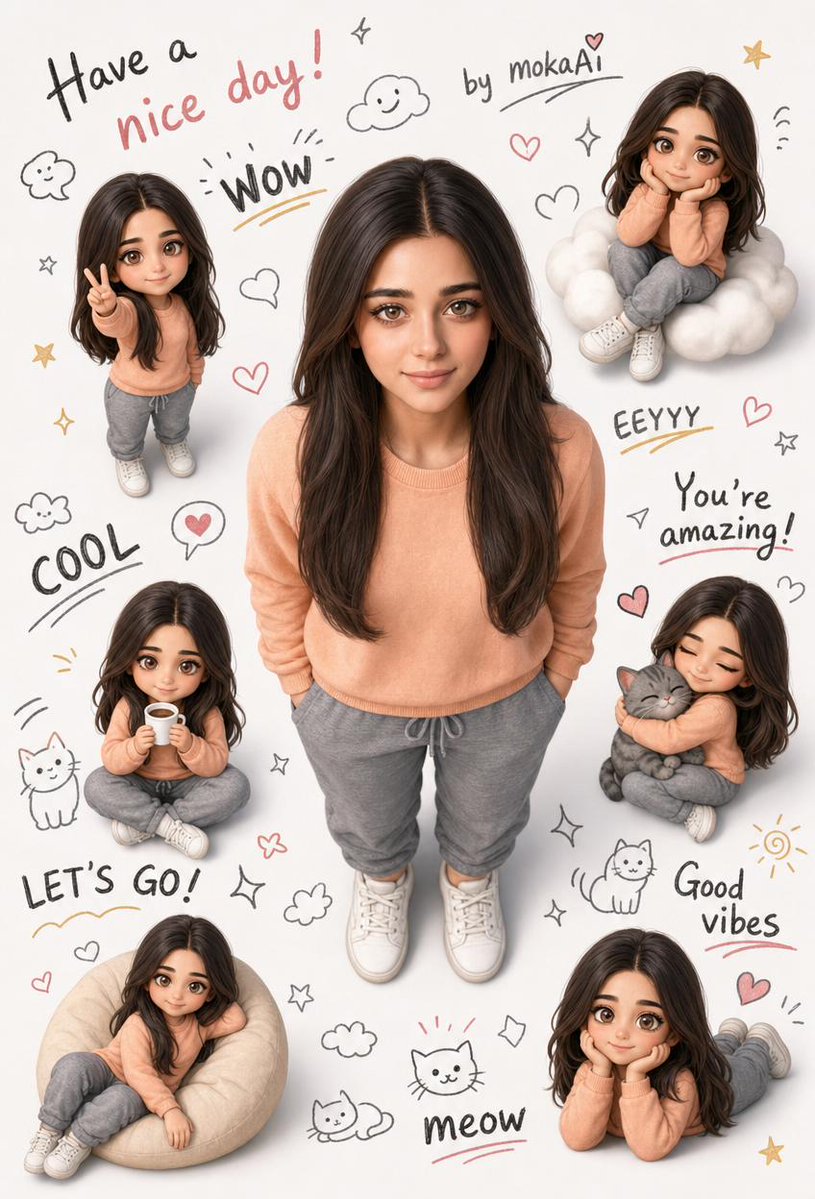
Portrait character prompts are AI portrait prompt examples for GPT Image 2 that control identity, expression, wardrobe, pose, lighting, background, camera distance, and style together. They work best for original people and characters rather than protected likenesses.
Best uses
Best uses for Portrait & Character prompts
- - Editorial portrait, headshot, creator profile, and character portrait concepts
- - Original character sheets with role, wardrobe, expression, and story cues
- - Fashion, beauty, cinematic, fantasy, and illustrated portrait directions
- - Style-grouped examples for comparing realism, painterly looks, lighting, and background treatment
Prompt structure
Prompt structure that works
- - Define the person, role, or original character without using protected likenesses
- - Add expression, pose, wardrobe, hair, accessories, age-safe framing, and setting
- - Set camera distance, lens feel, lighting pattern, background, color mood, and finish
- - Include constraints for identity, endorsement, age, brand sensitivity, and reference-image rights
Adaptation
How to adapt these examples
- - Change role, wardrobe, expression, pose, and background before changing the art style
- - Tune camera distance, lighting, crop, and finish for headshot, editorial, or character-sheet use
- - Avoid implying real-person endorsement, celebrity likeness, private identity use, or model-release clearance without permission
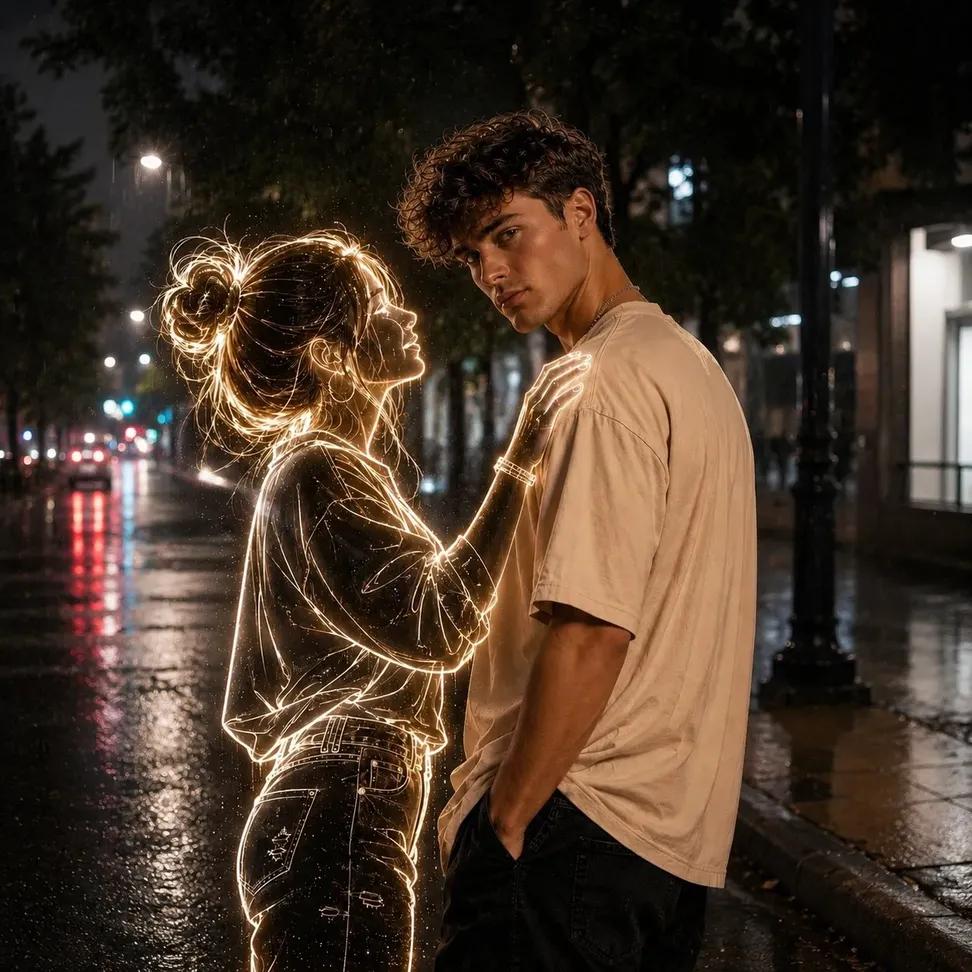
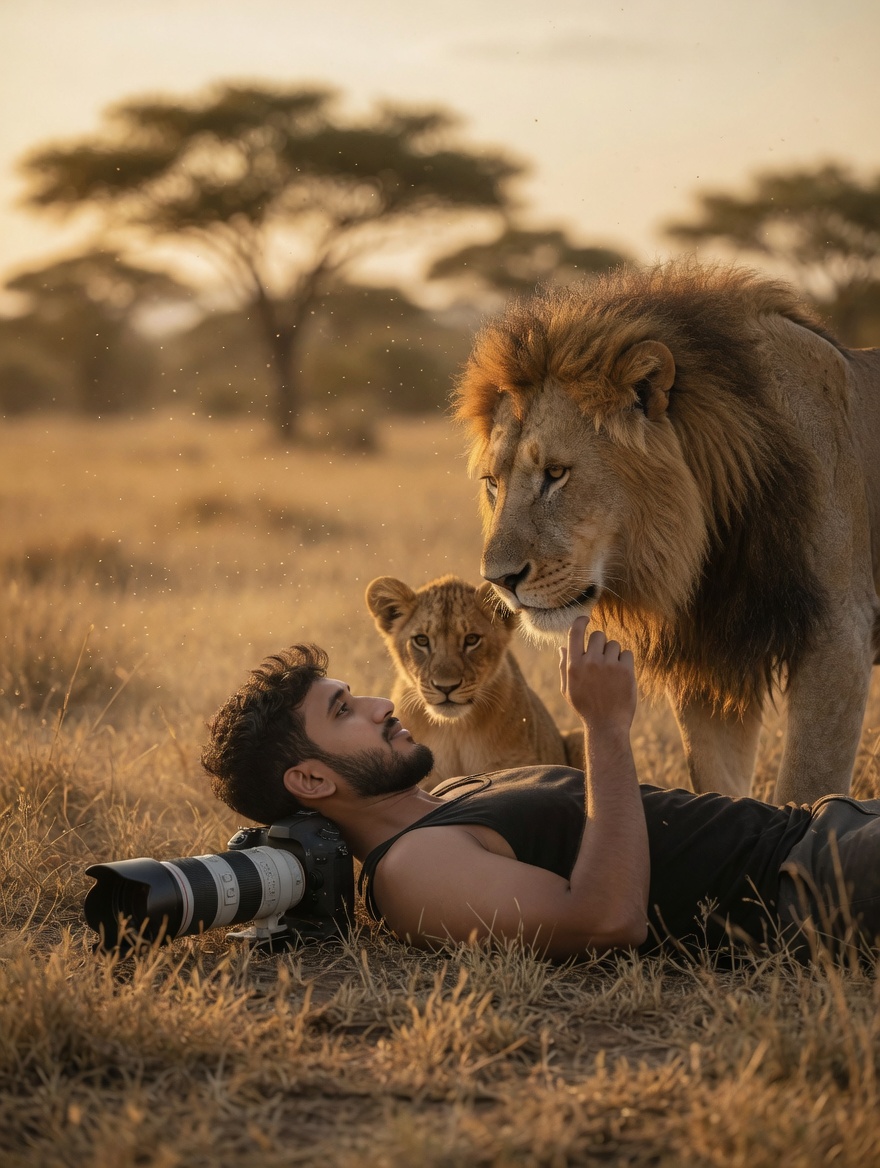


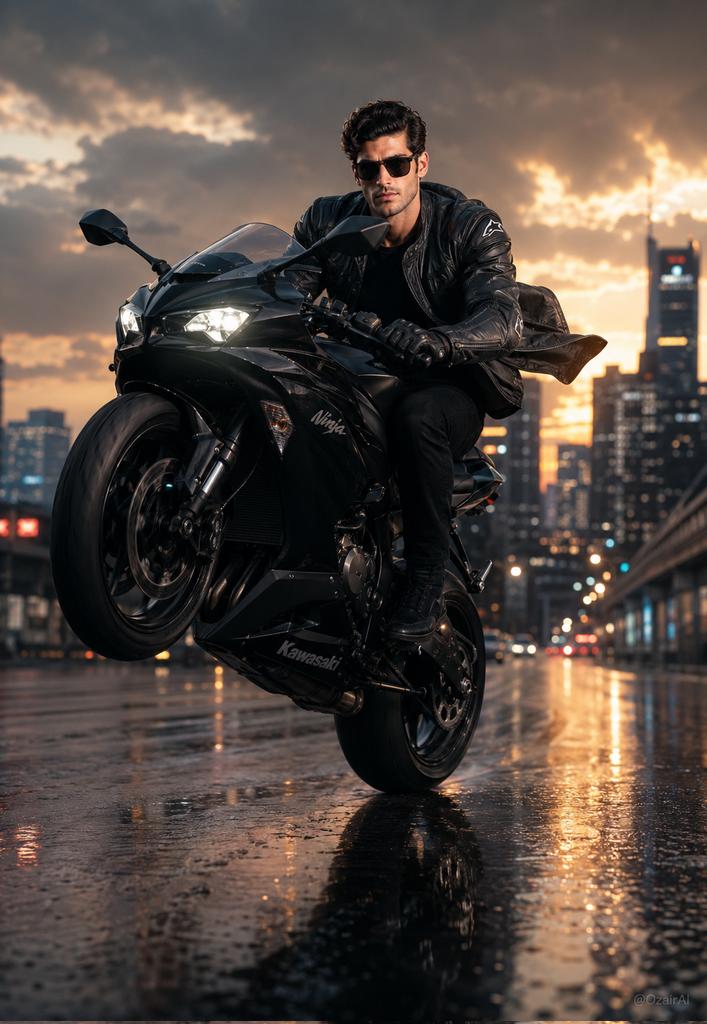

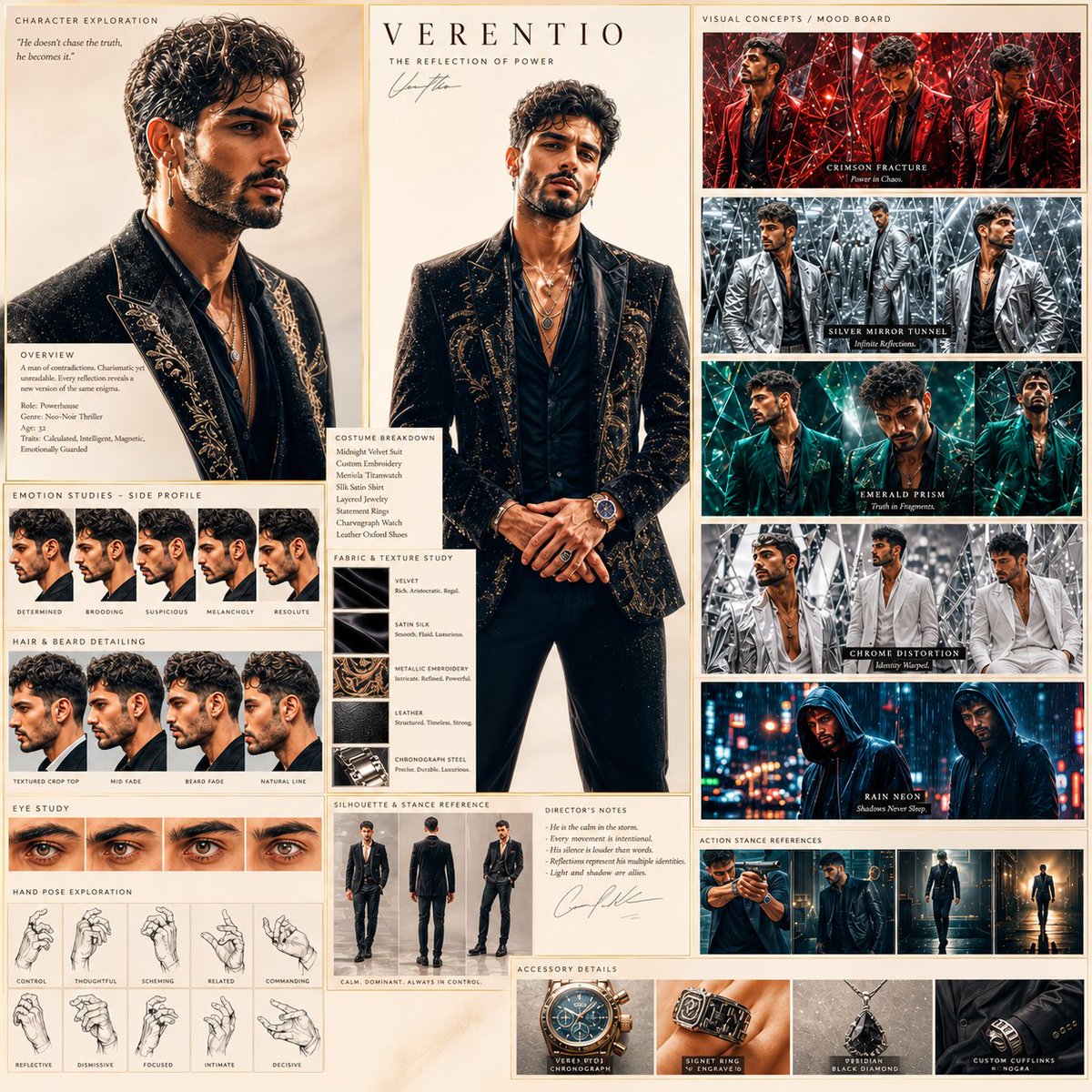
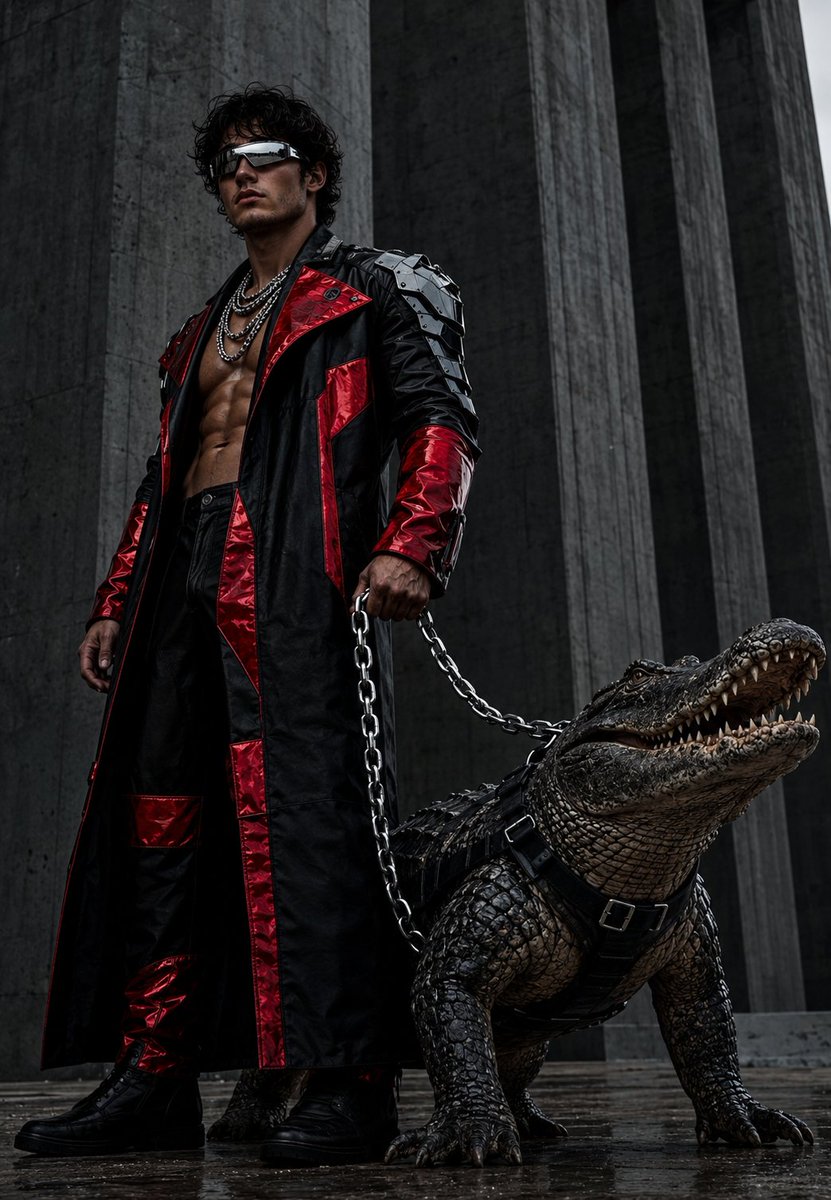

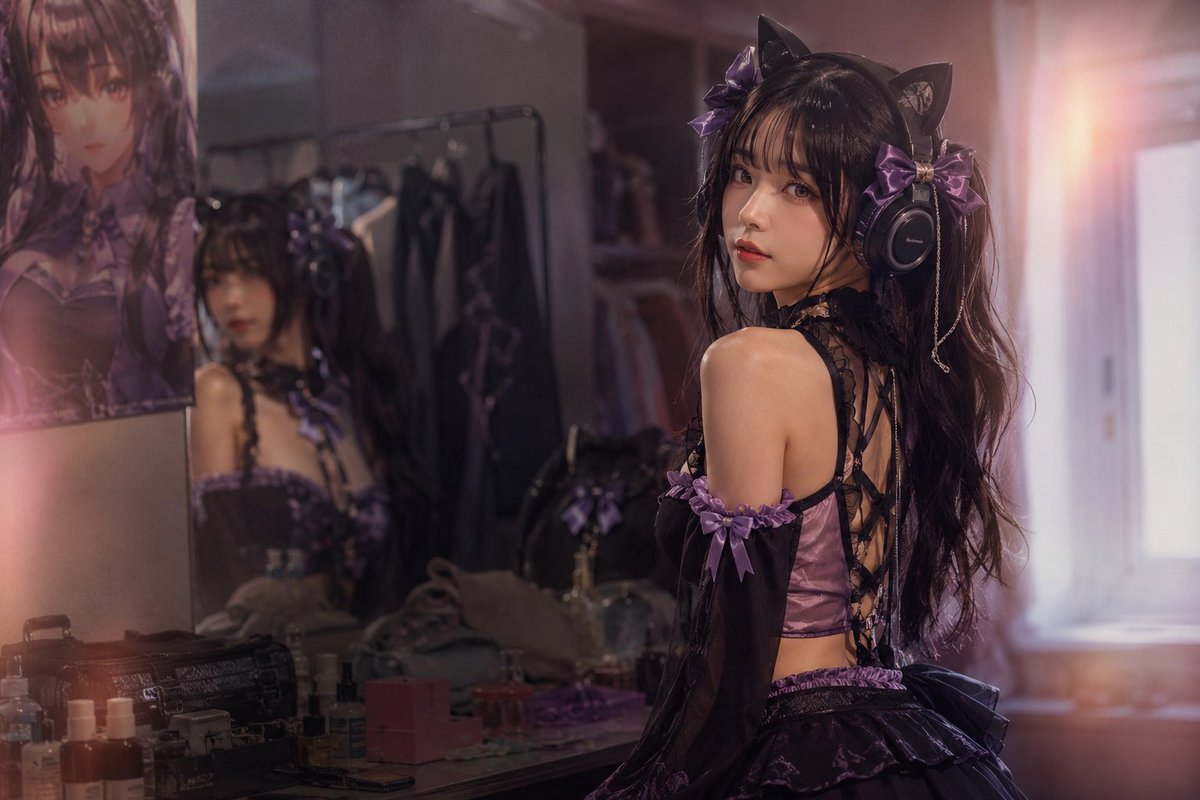
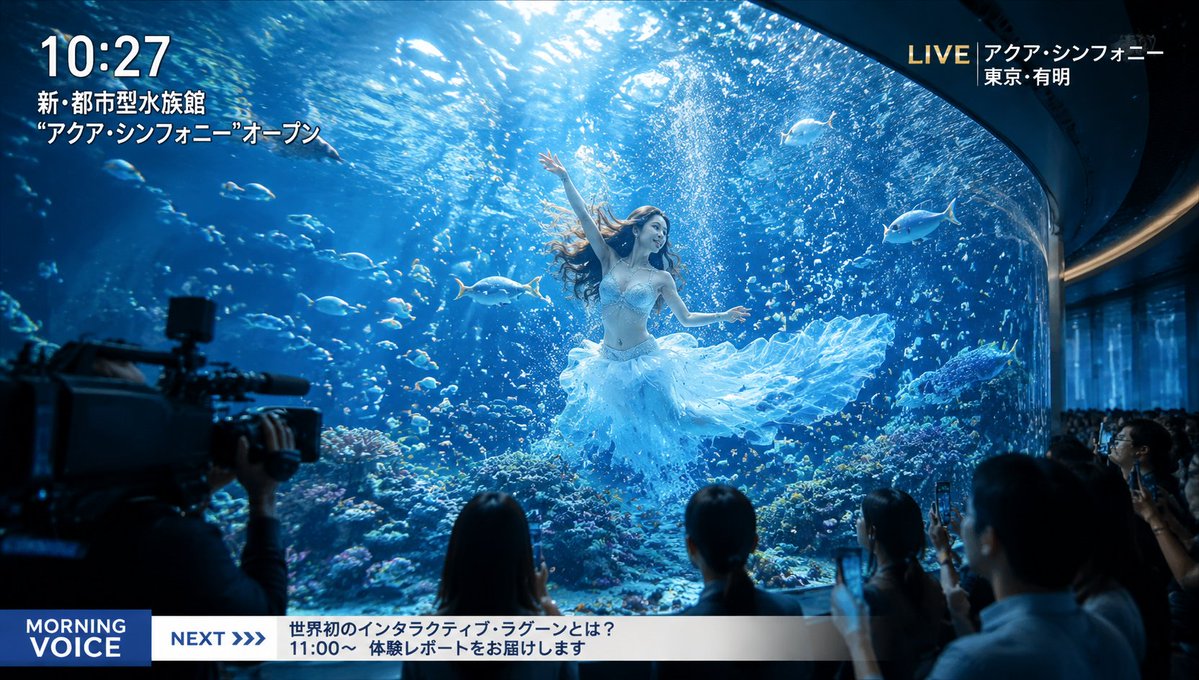
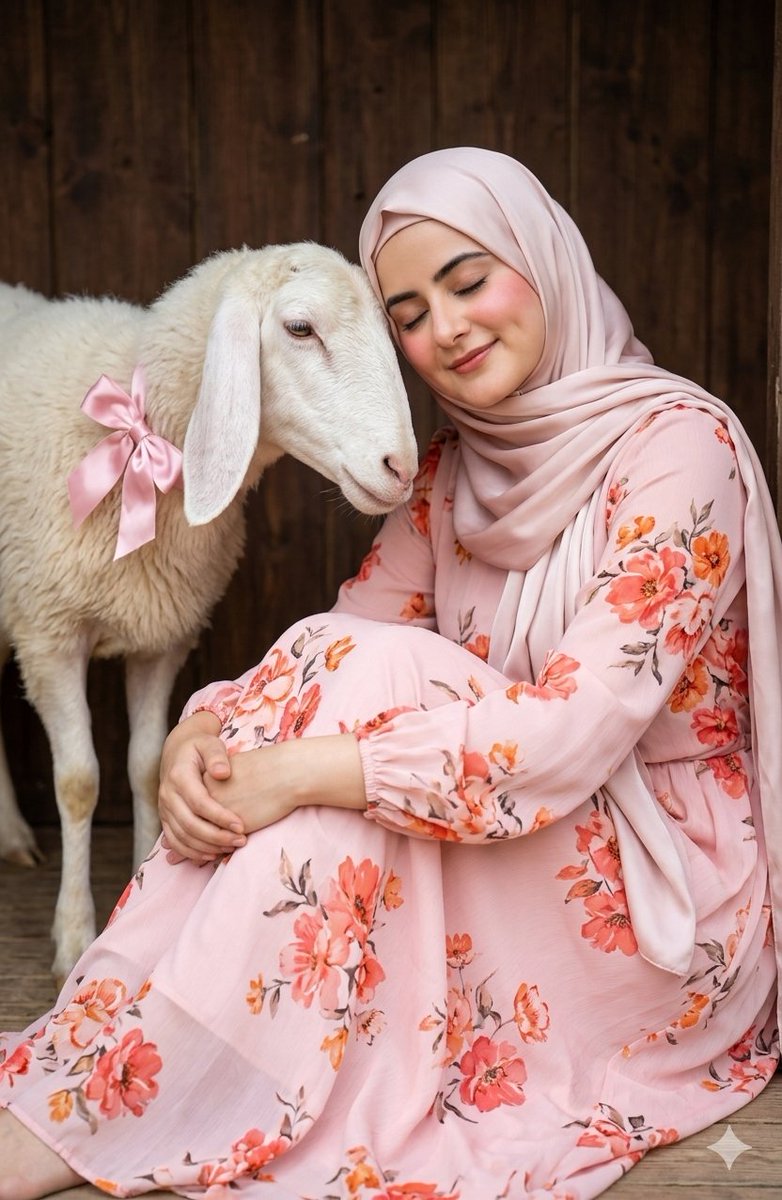

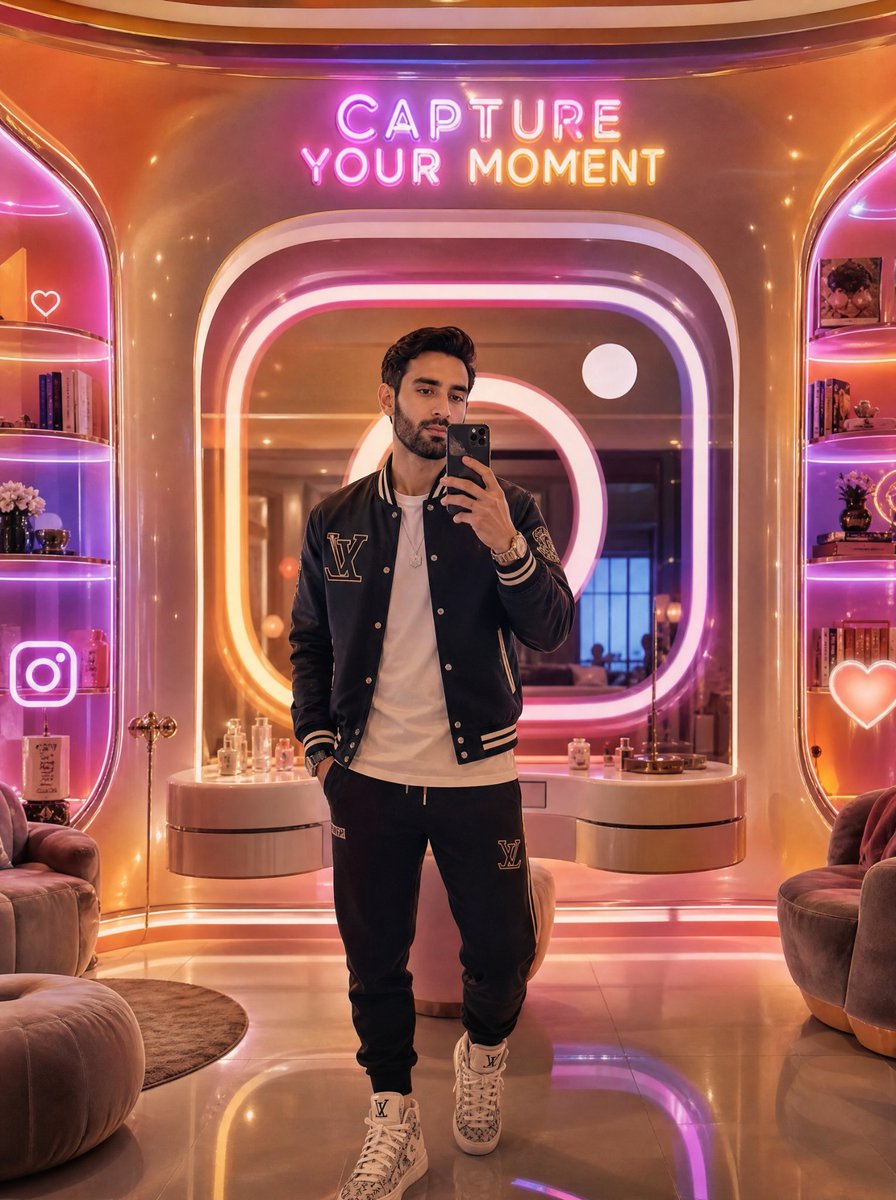
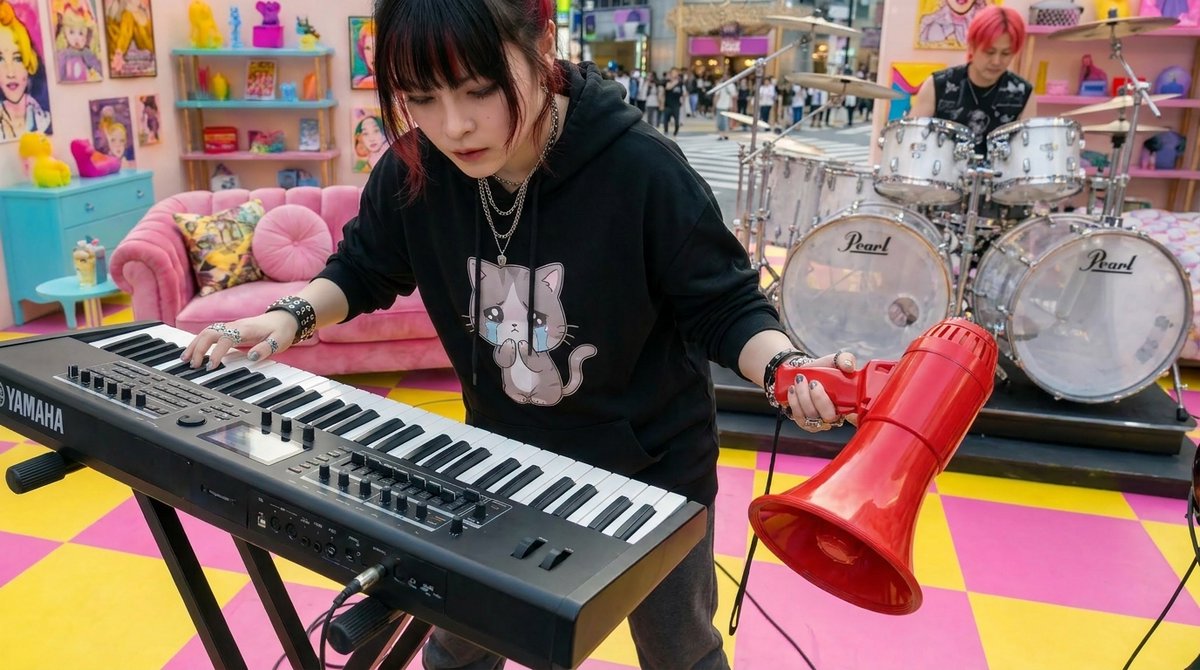
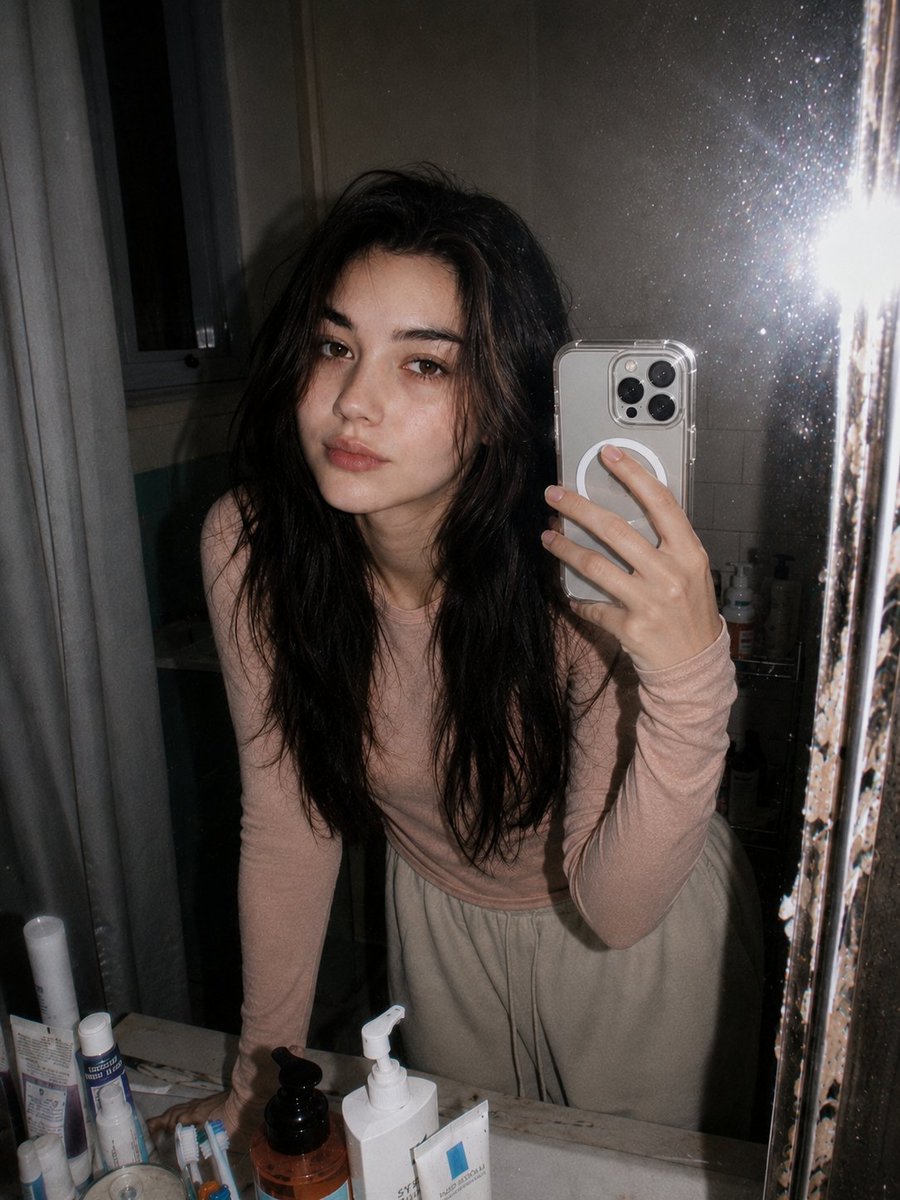

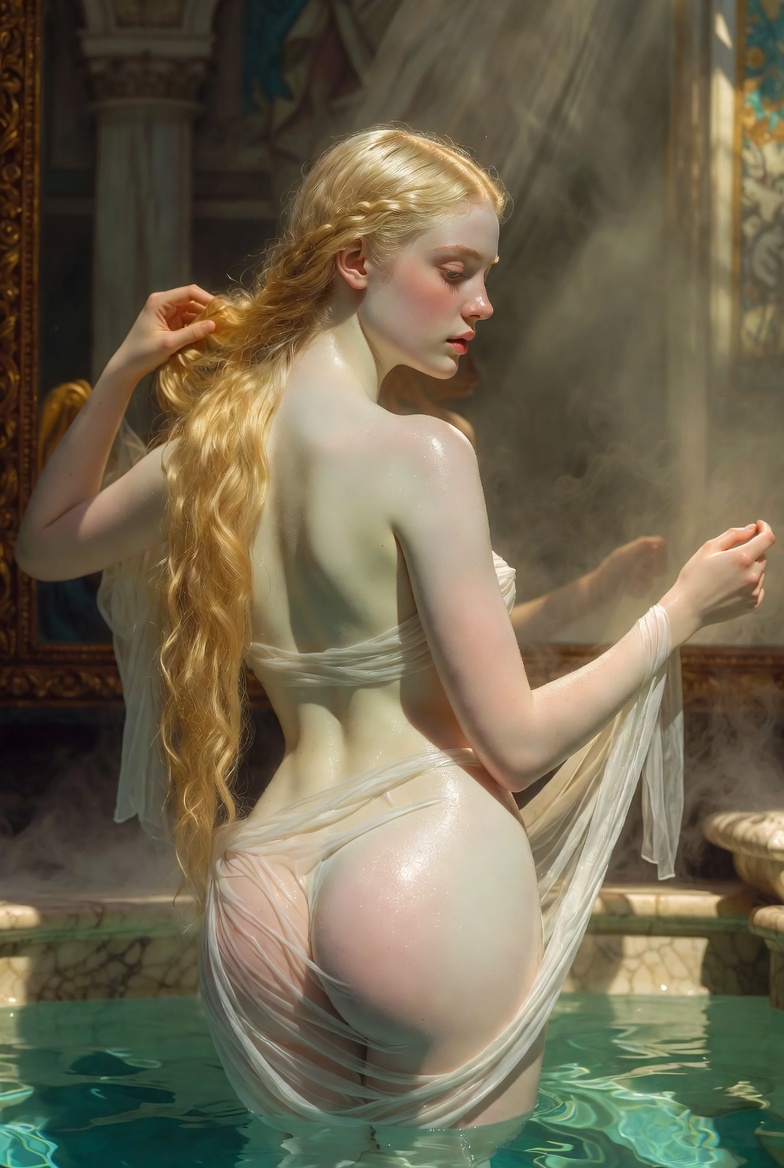
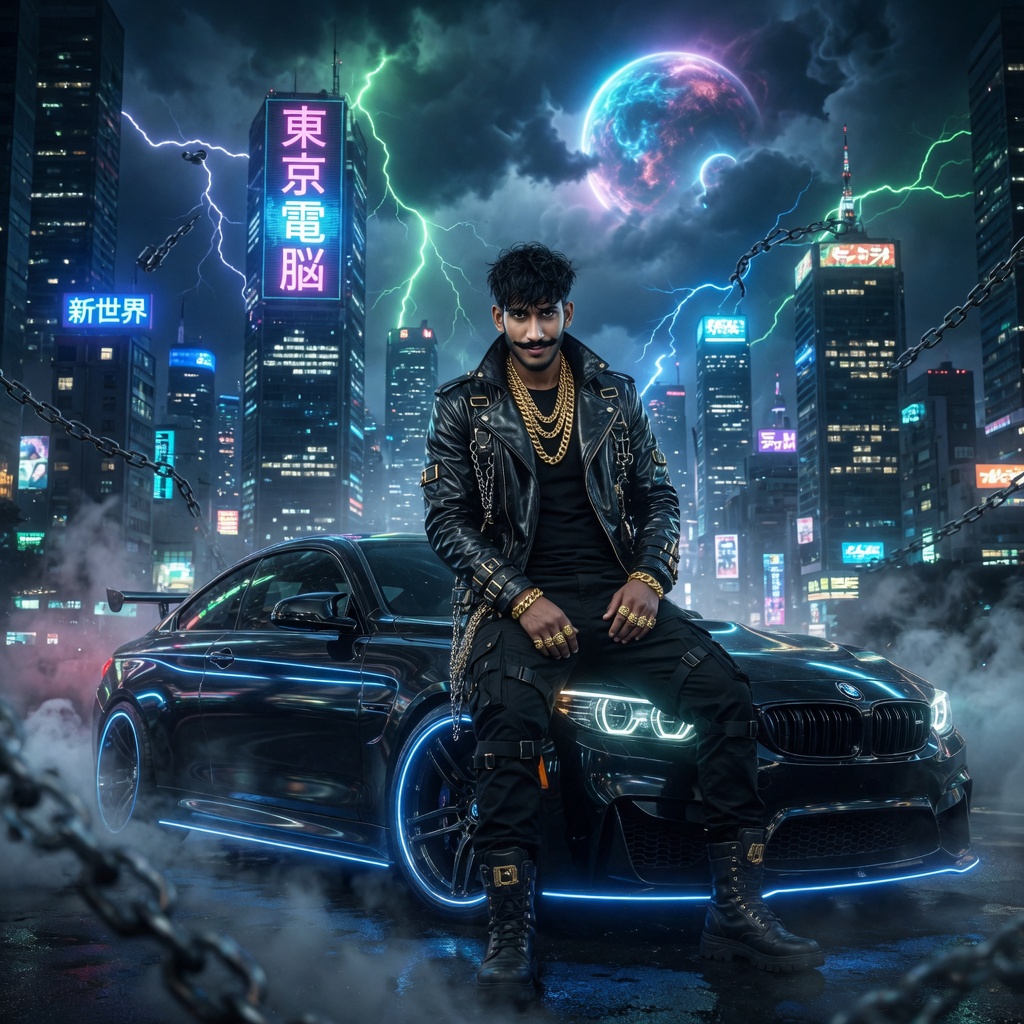

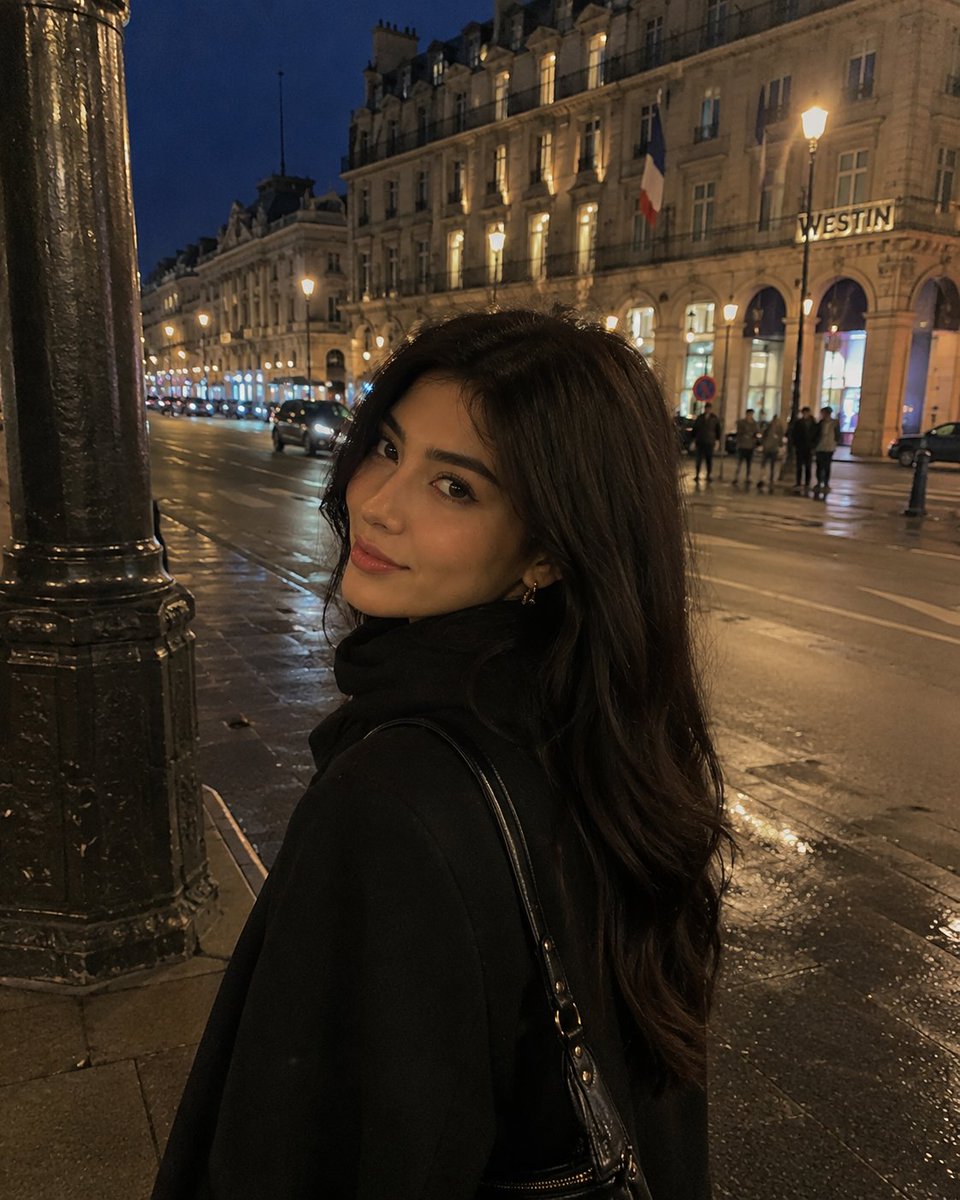
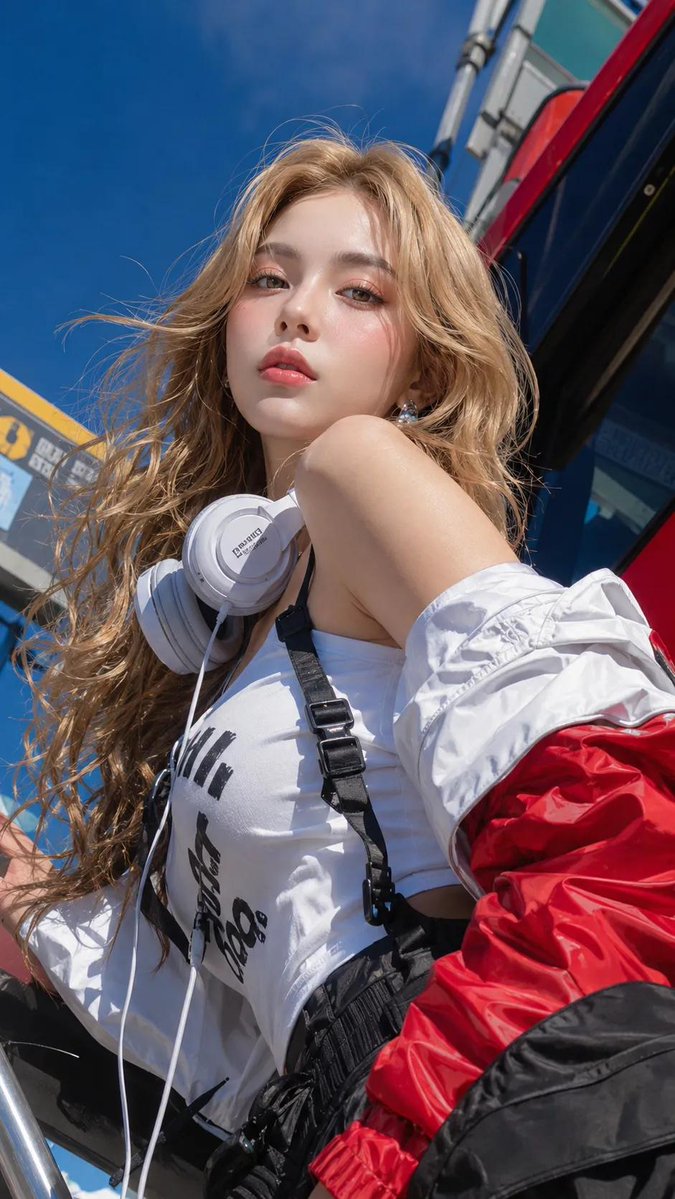

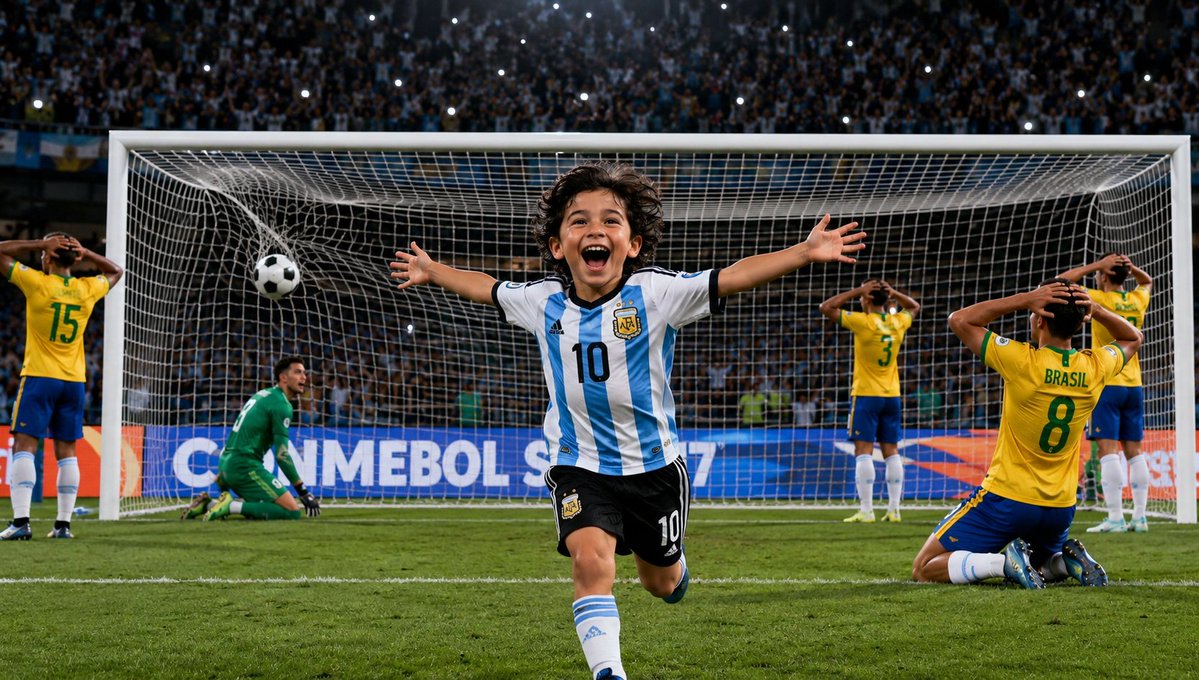
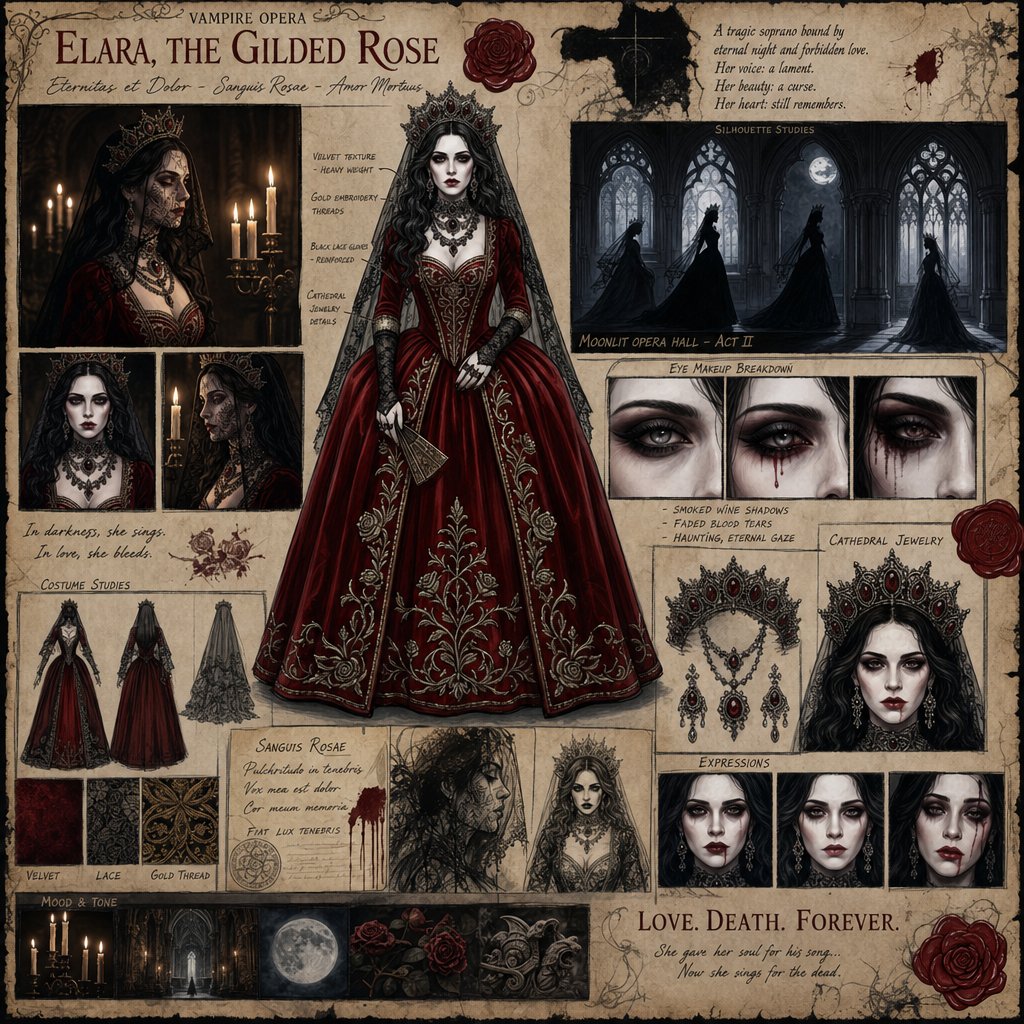

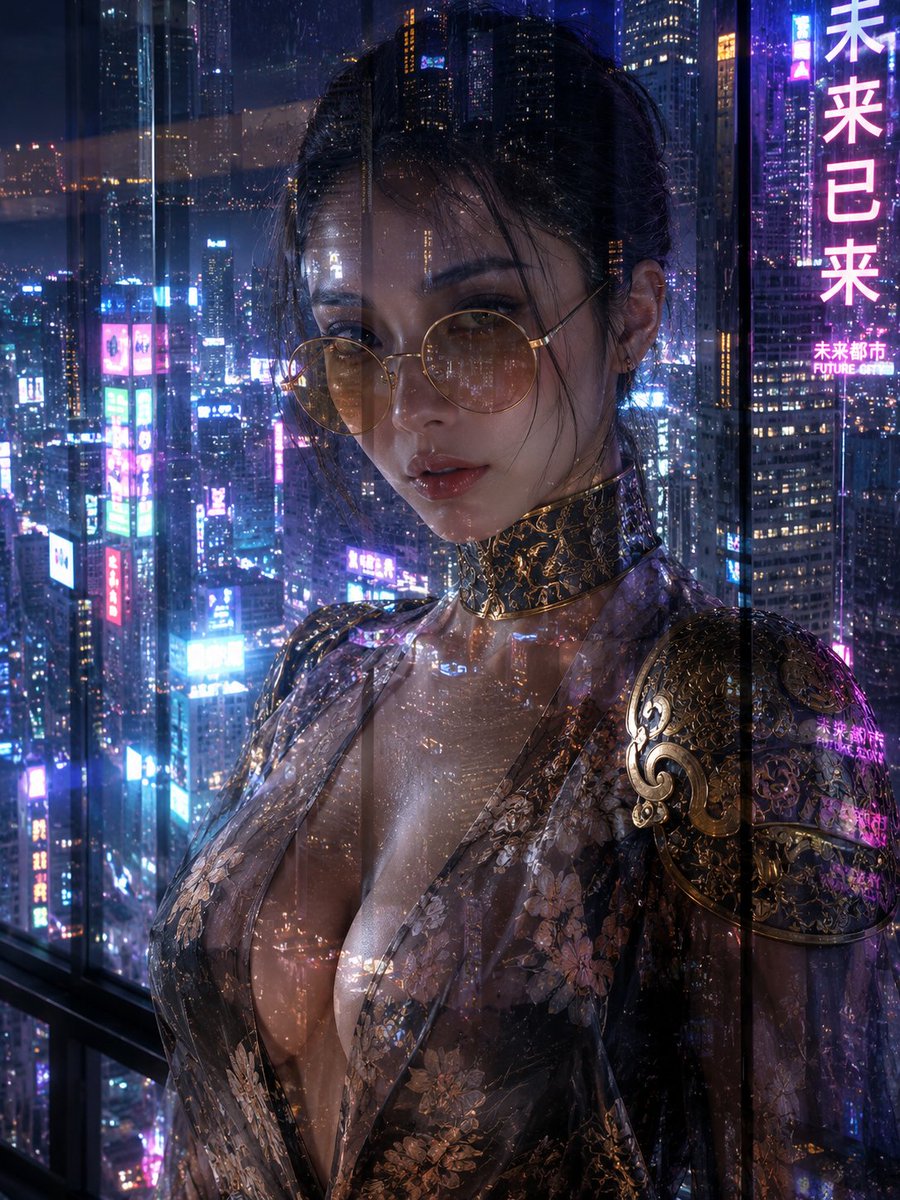
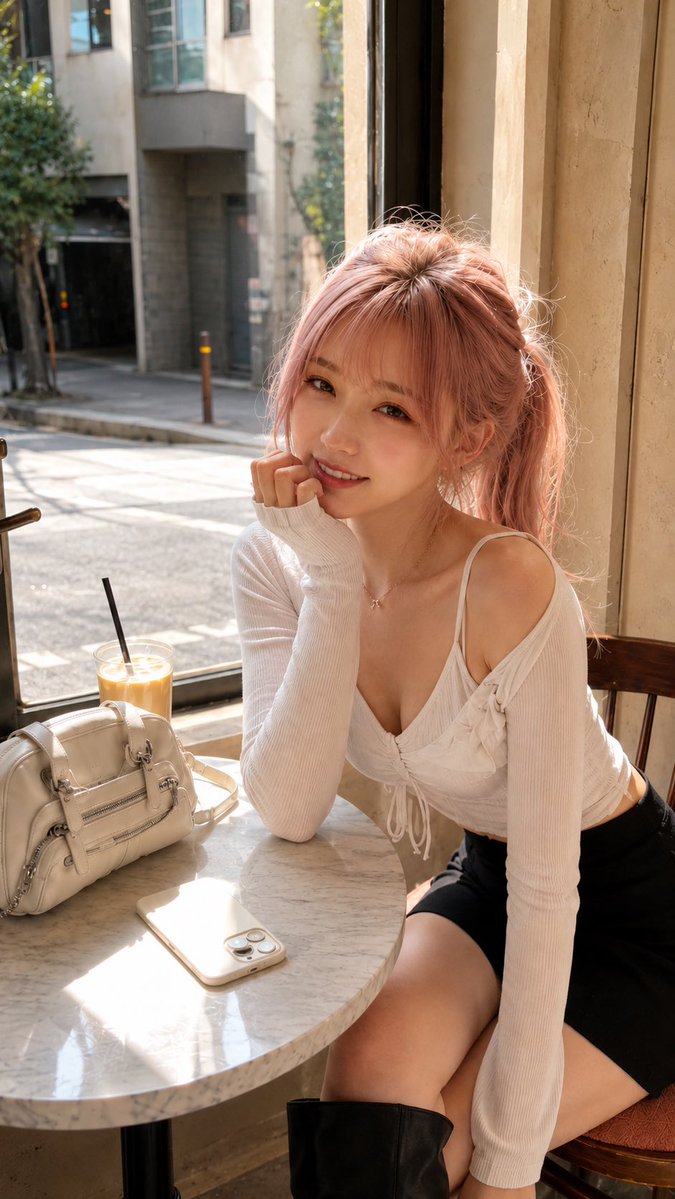
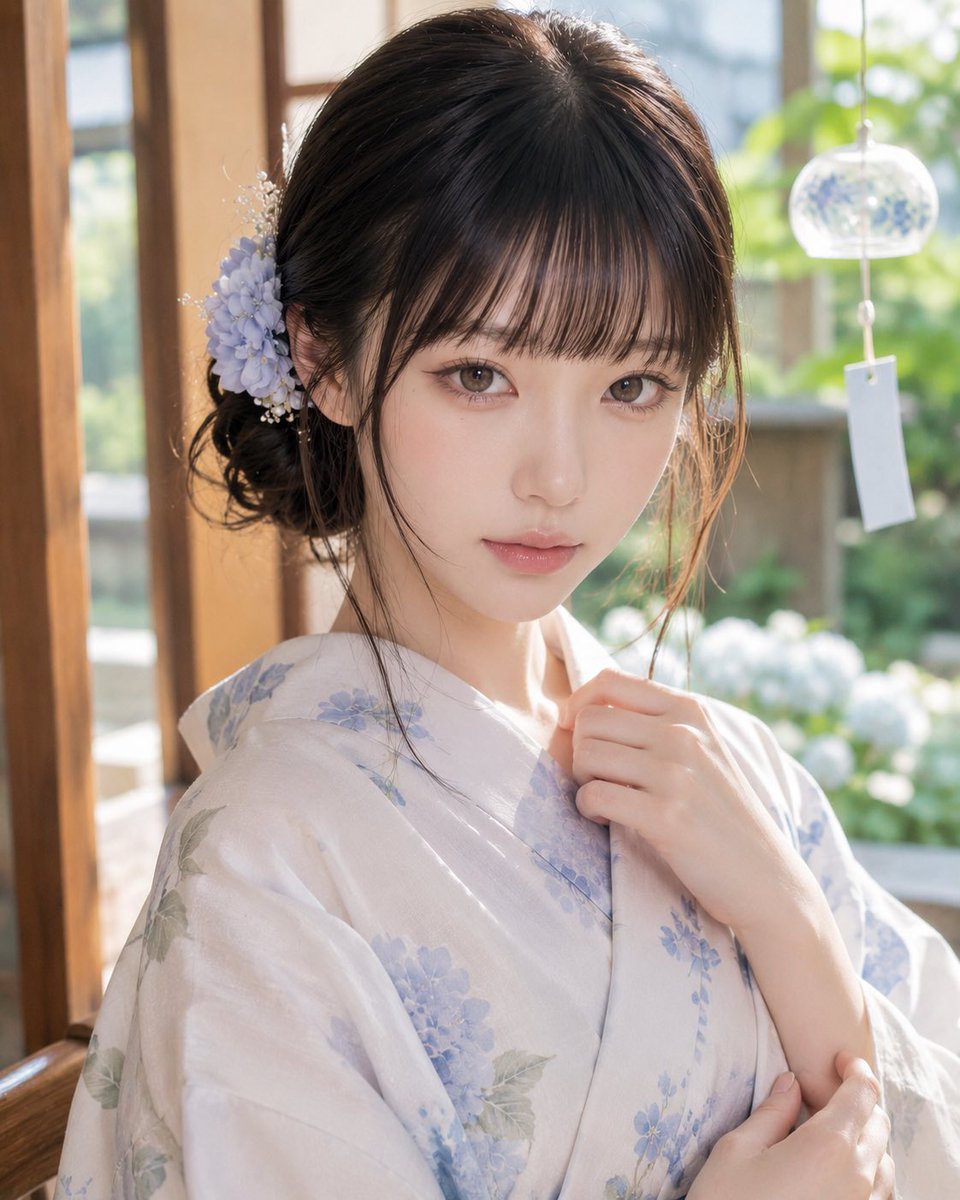
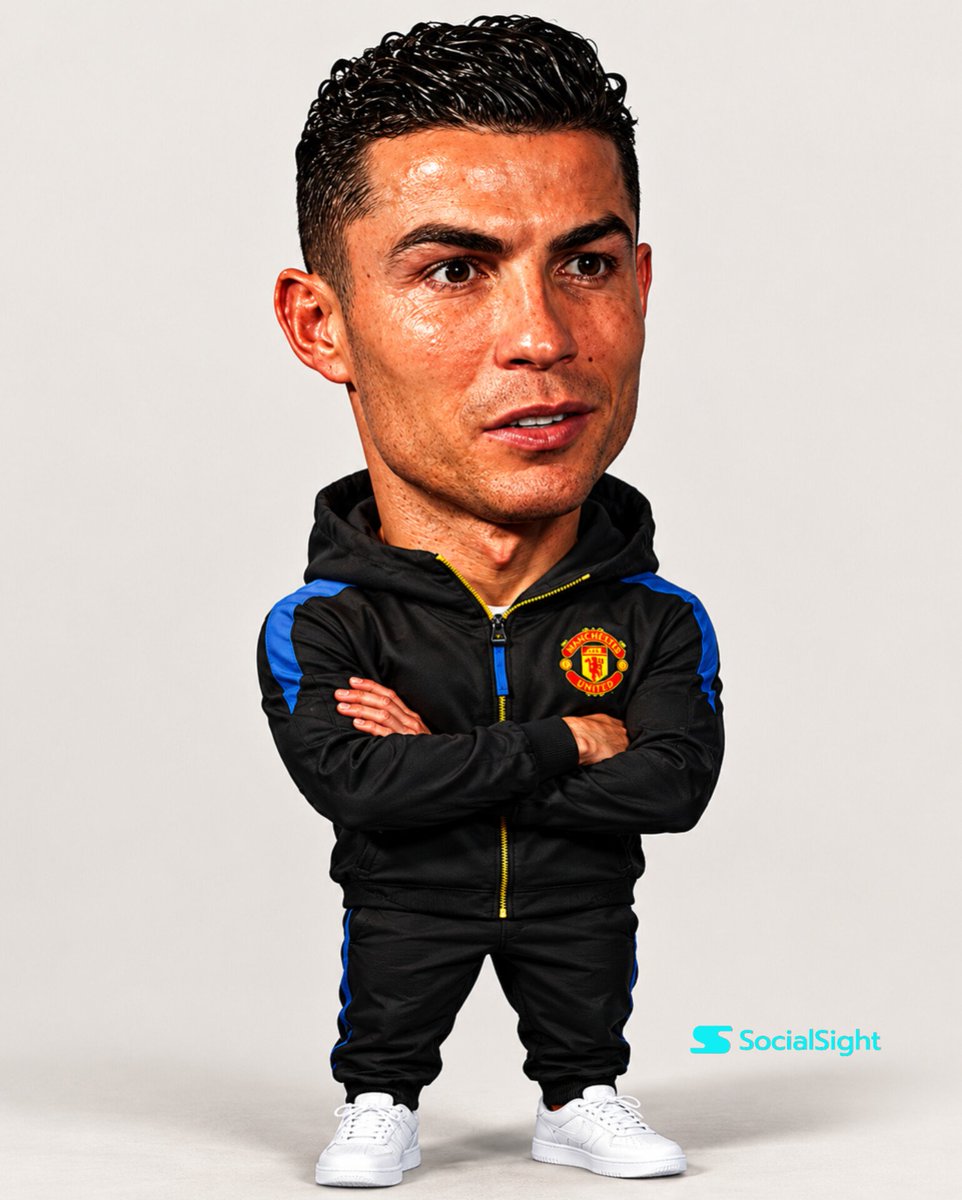

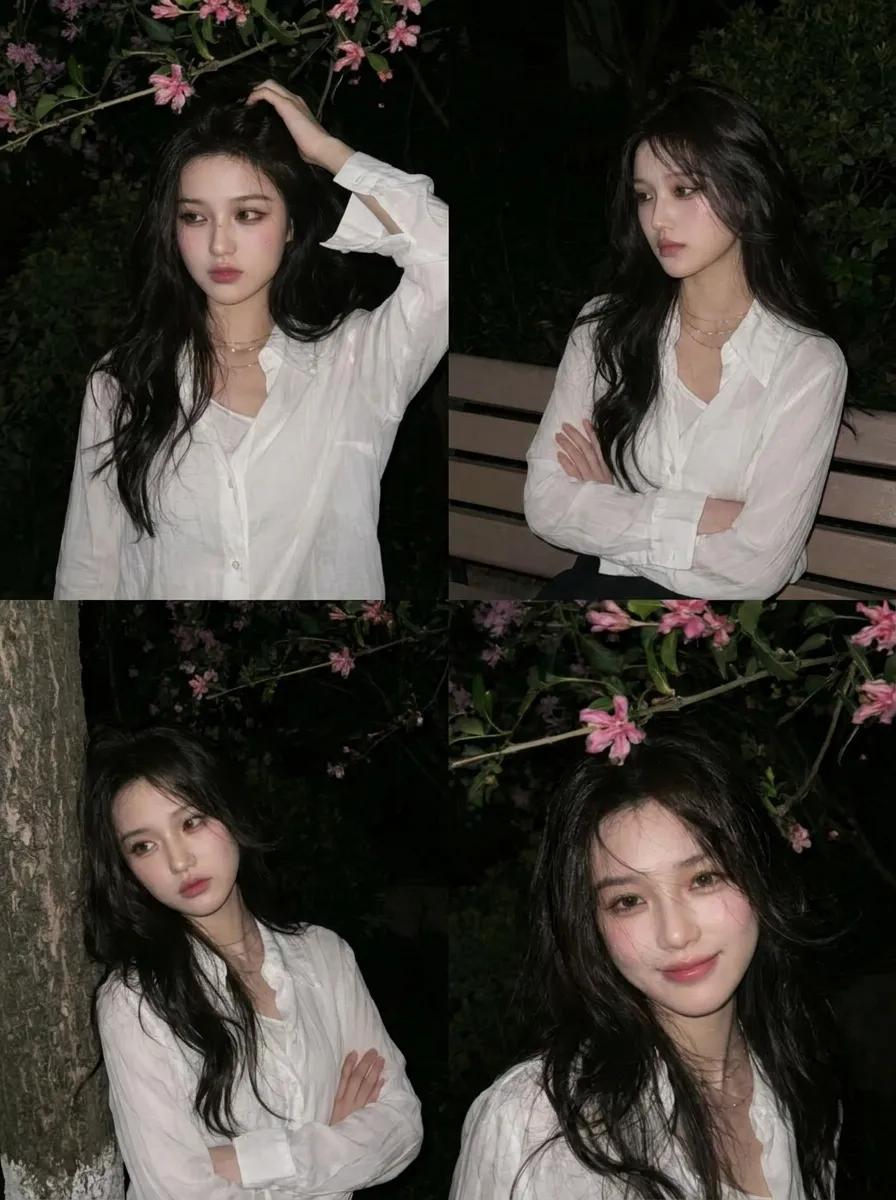

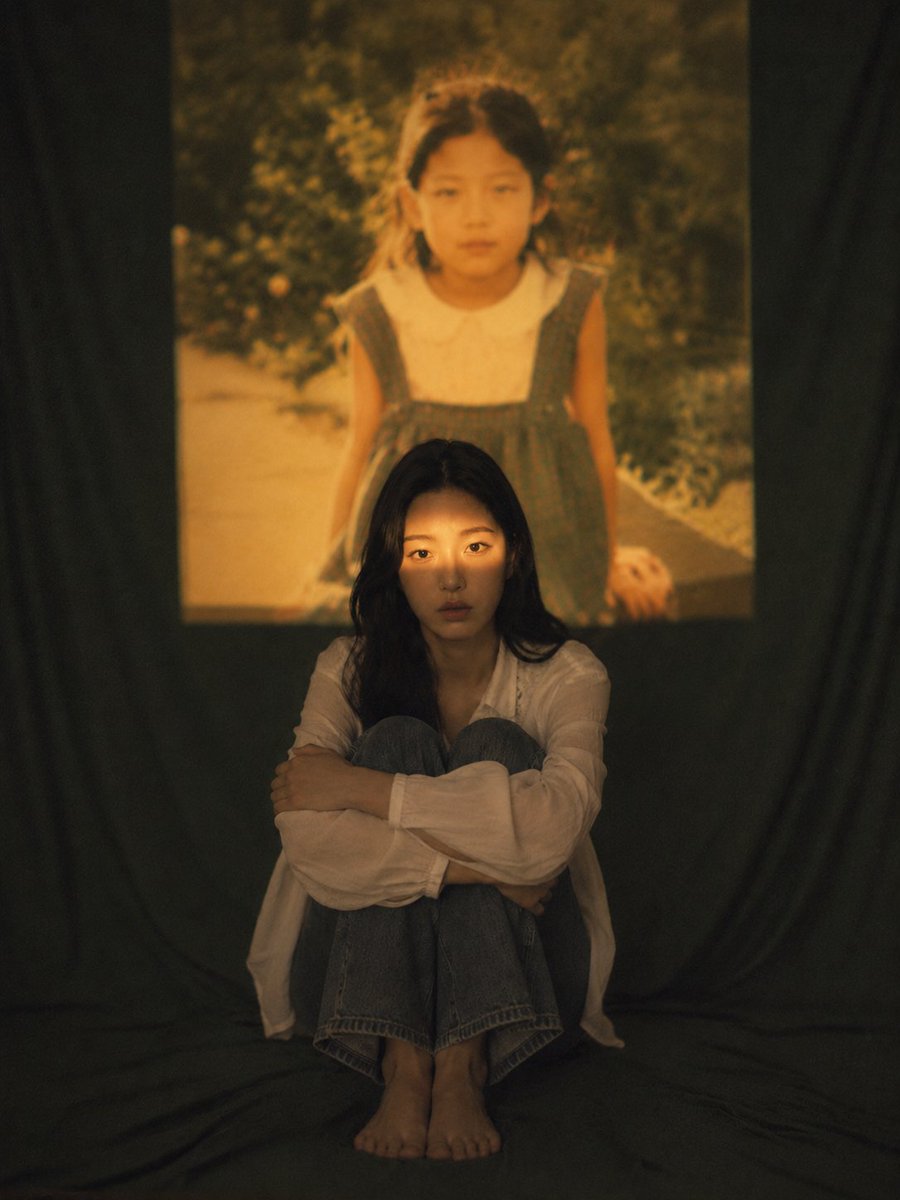





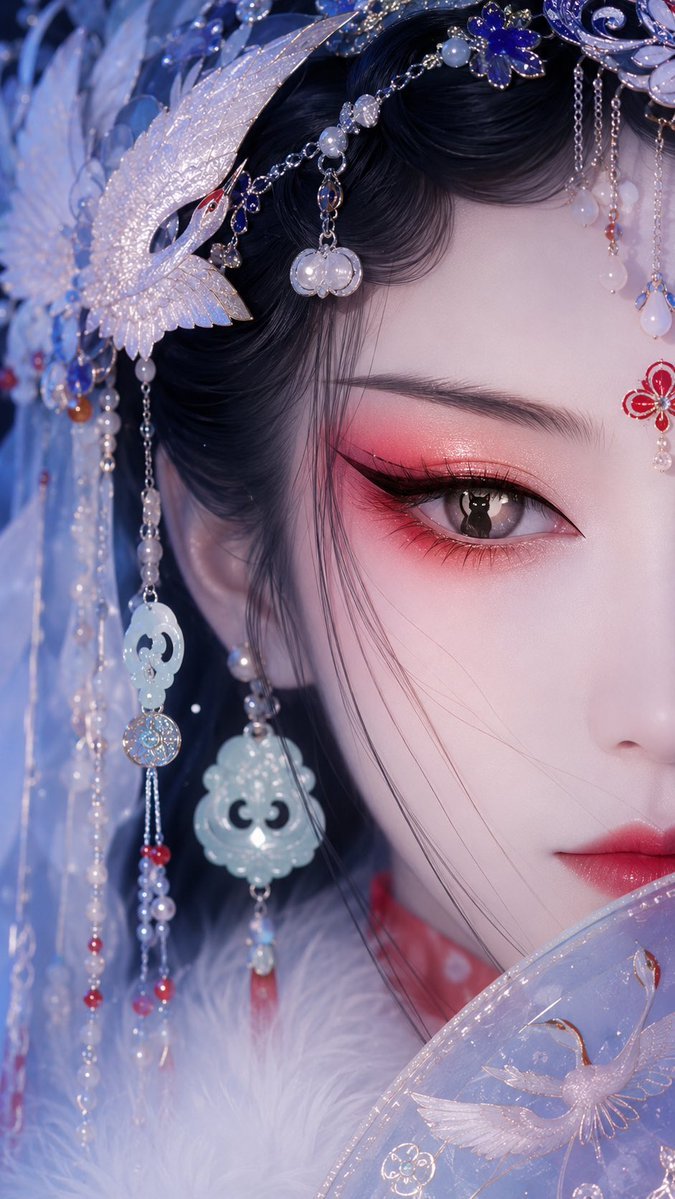
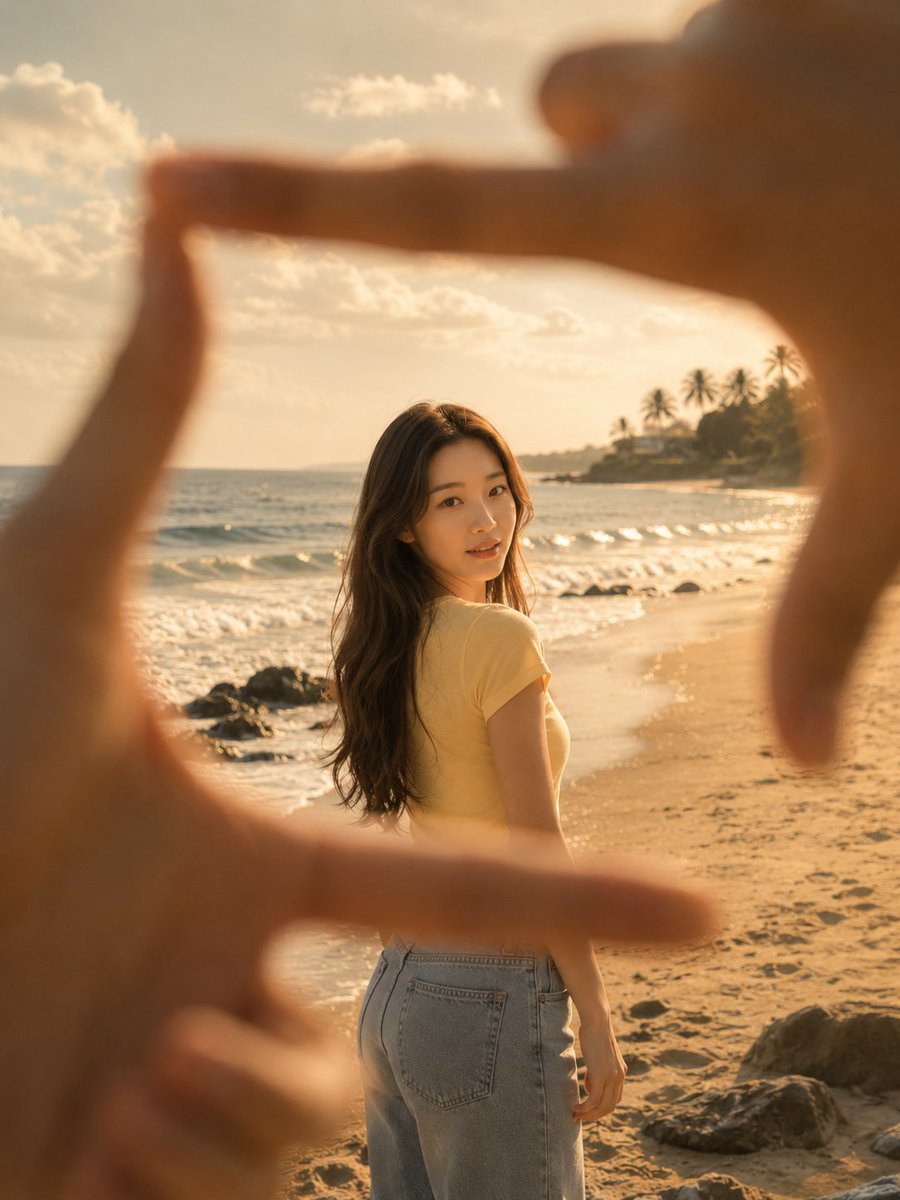
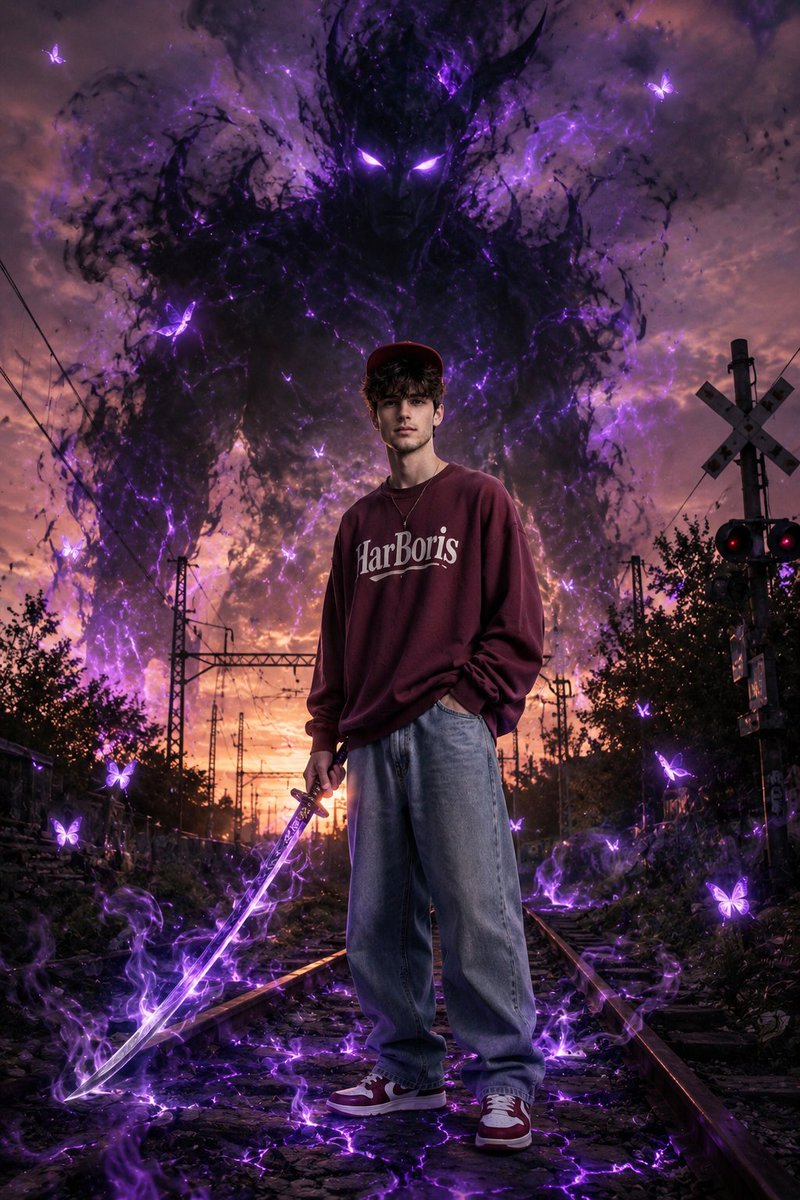
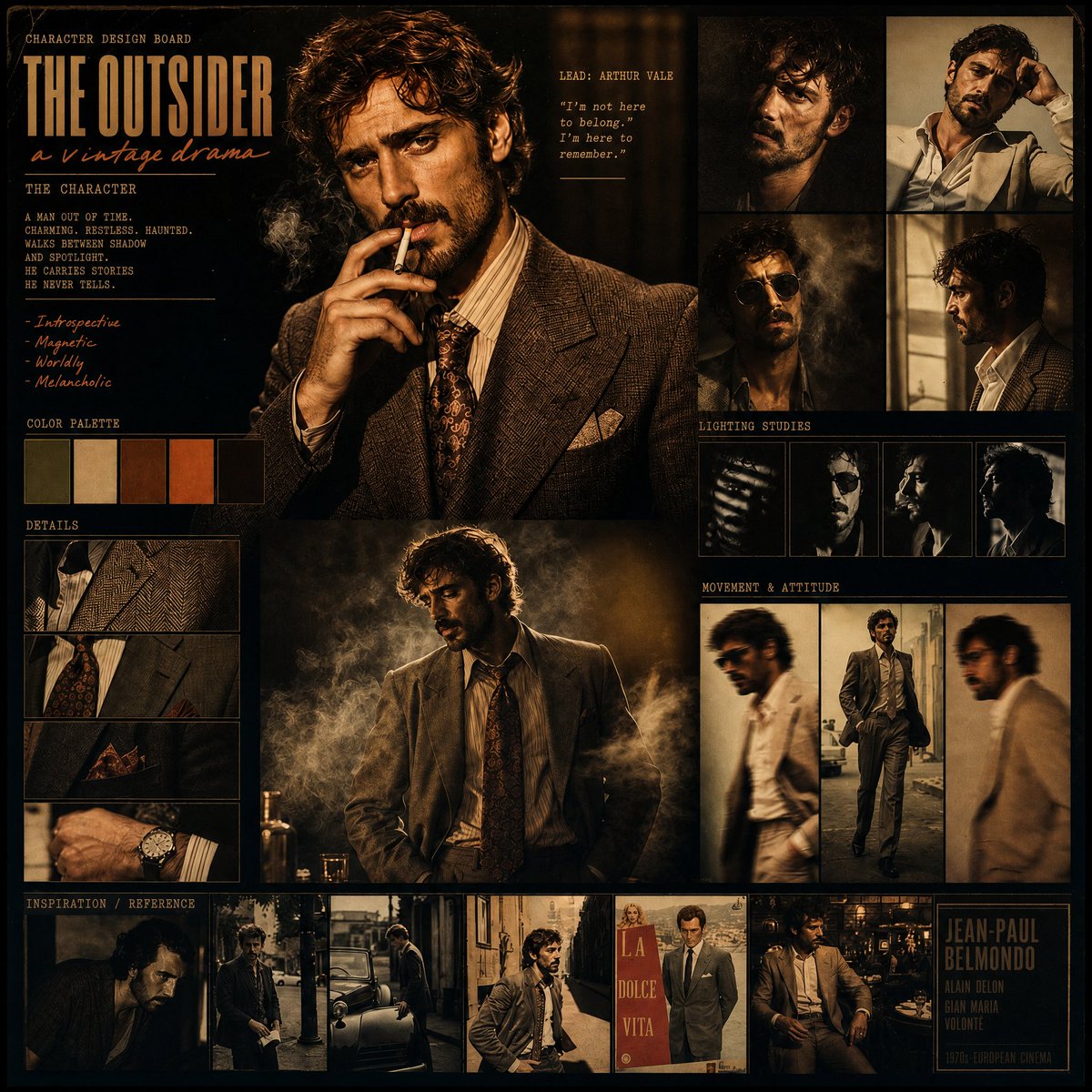
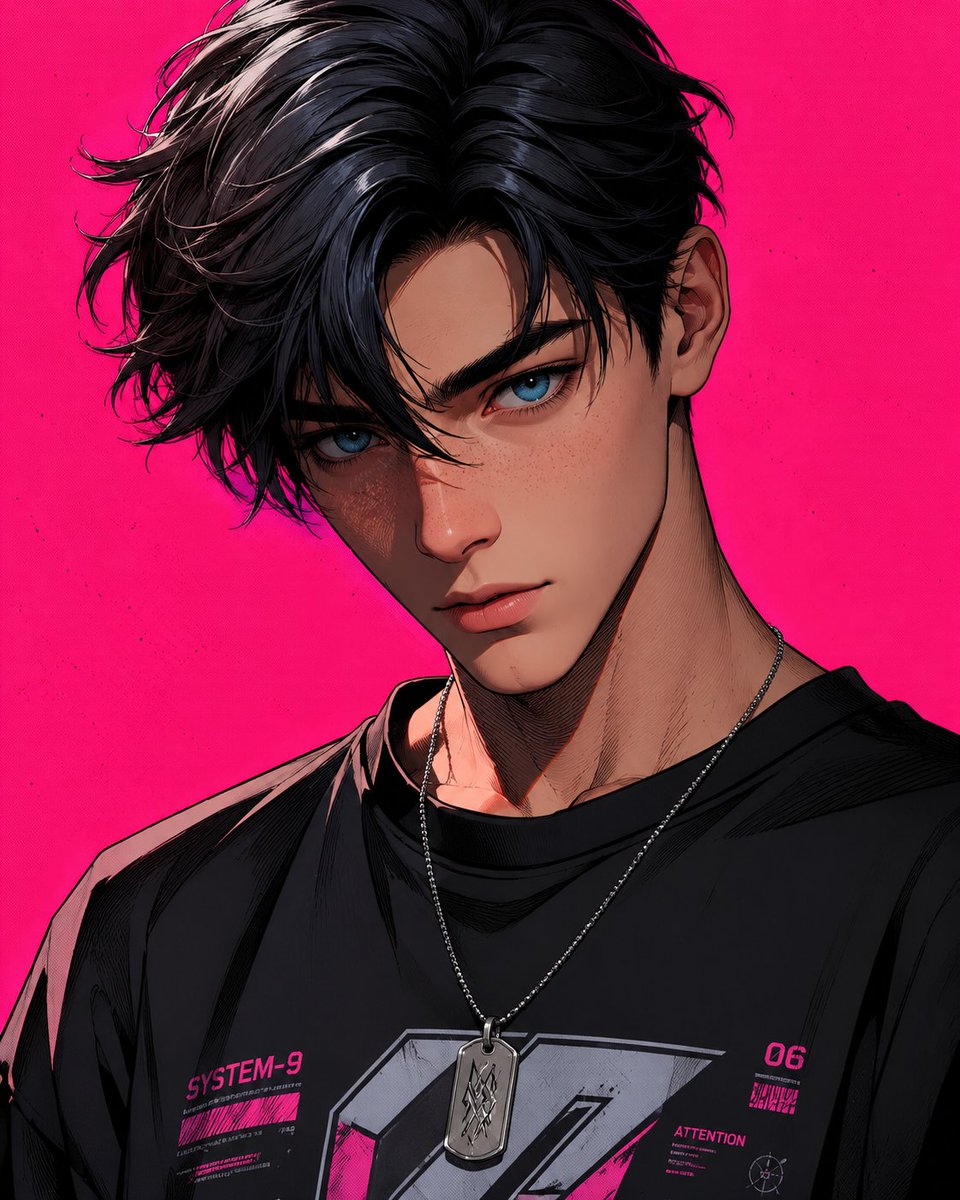
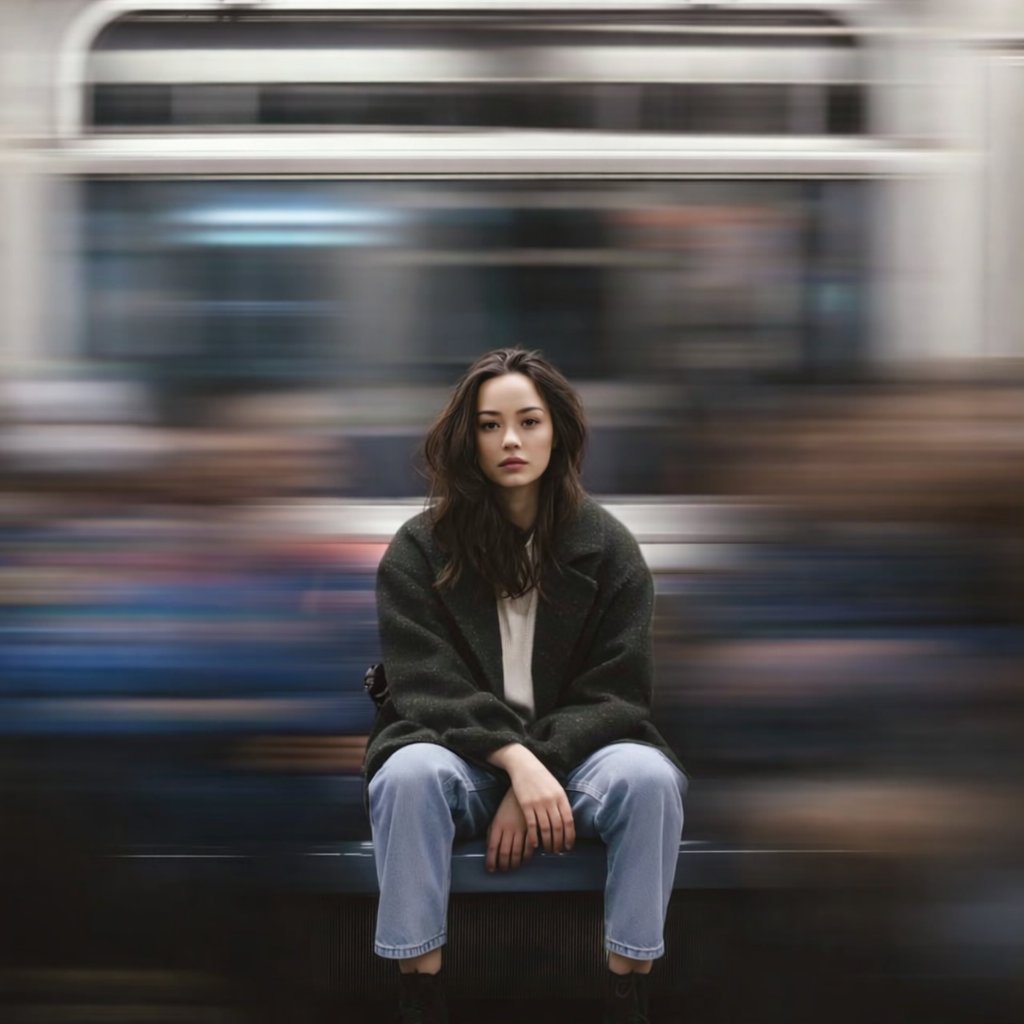
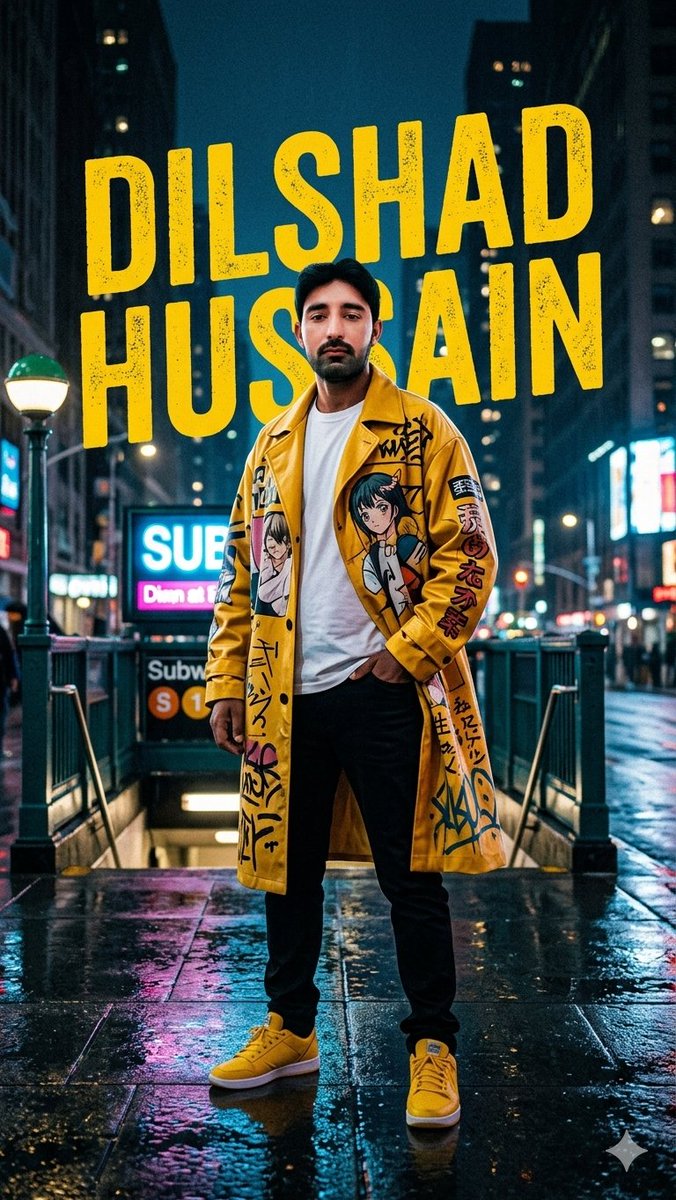
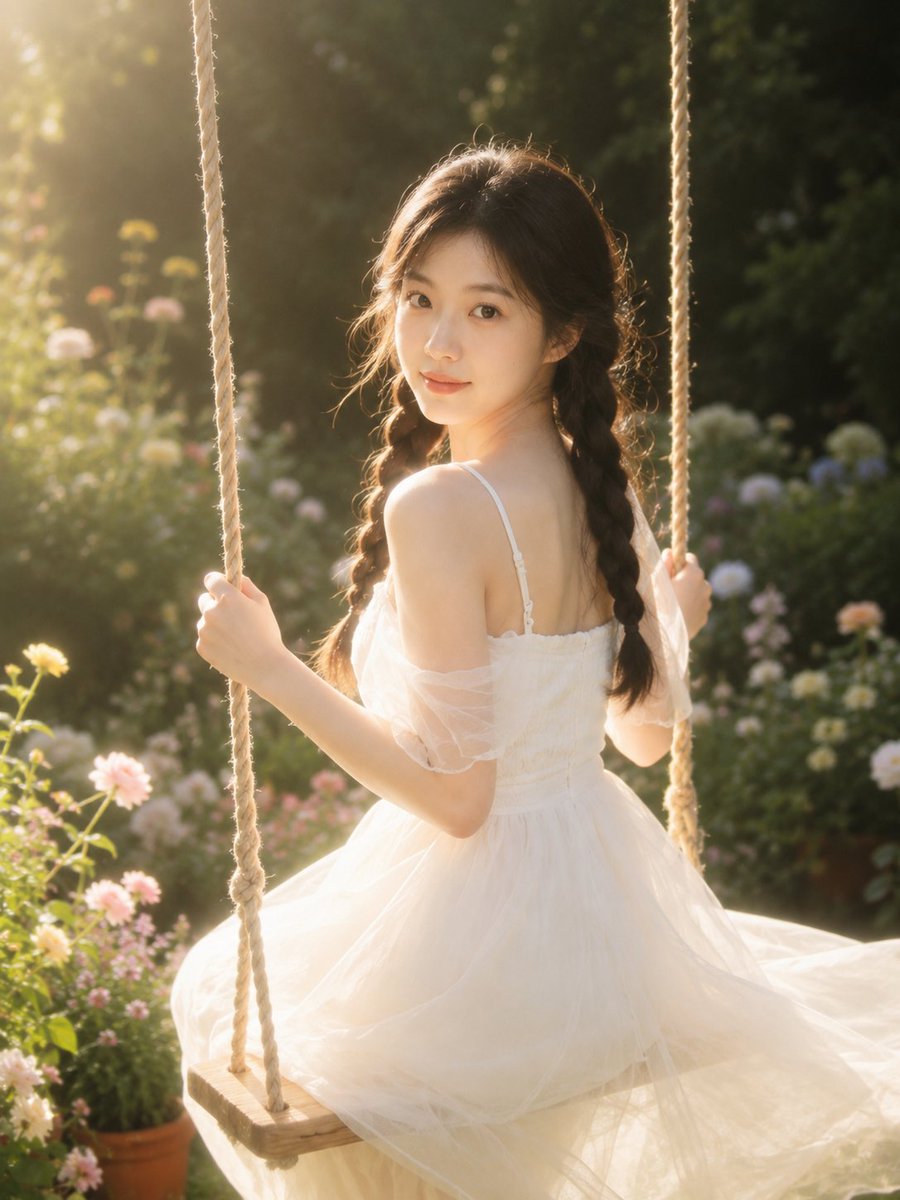

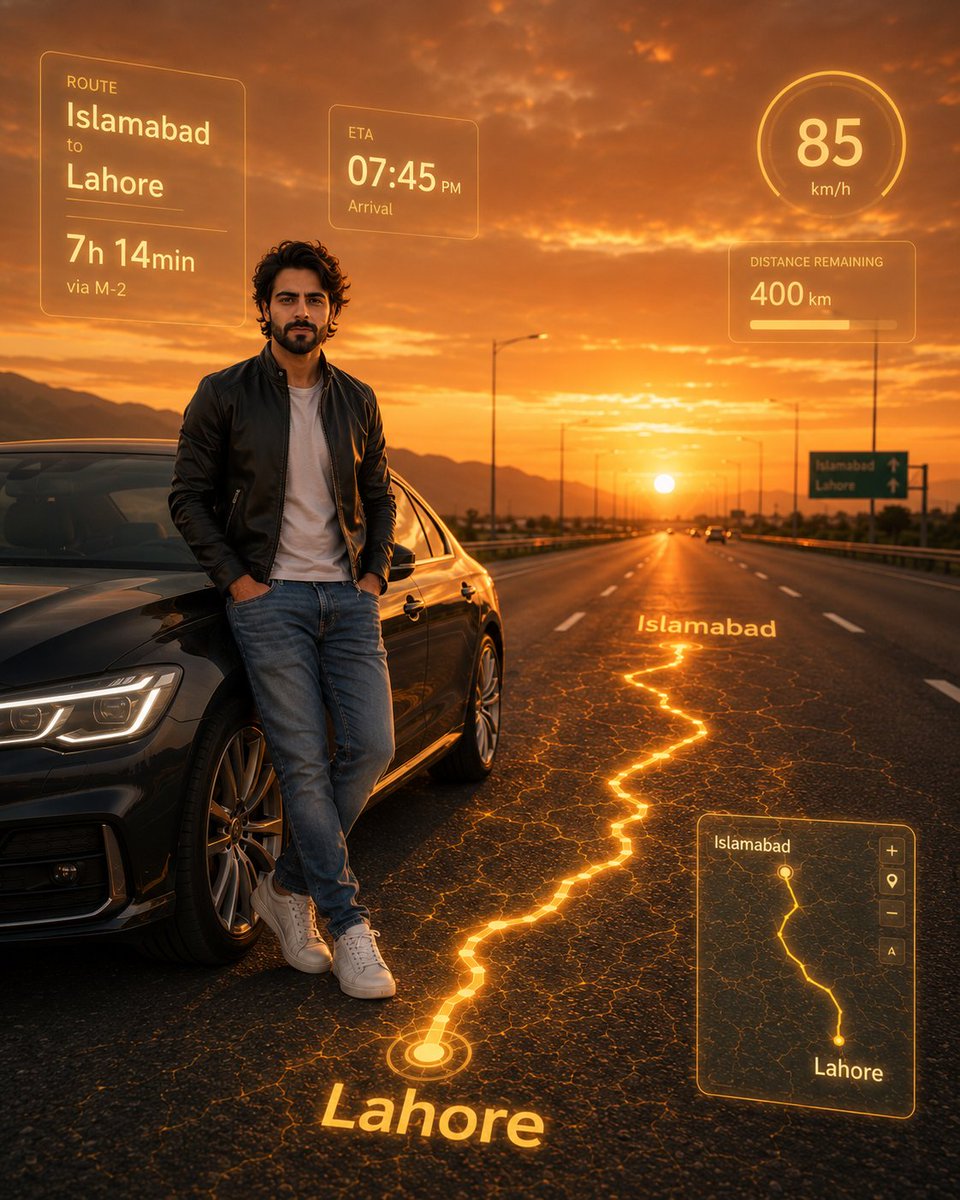
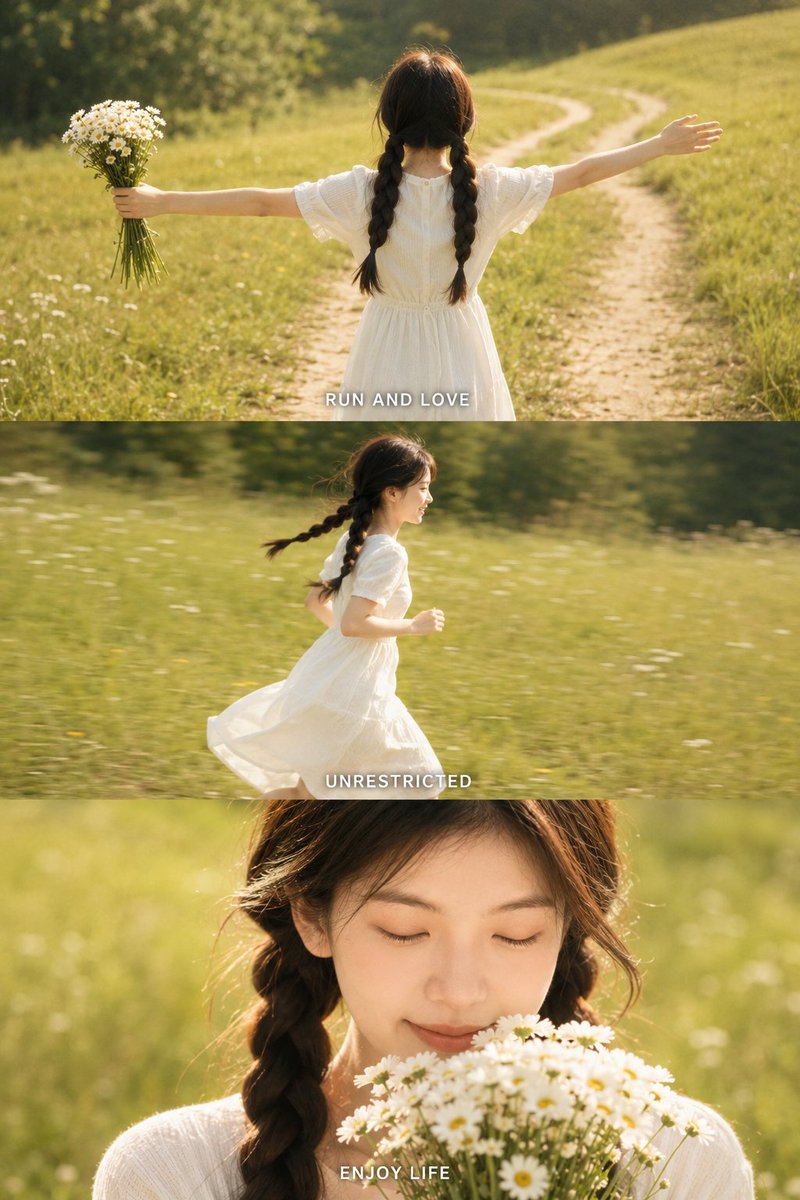
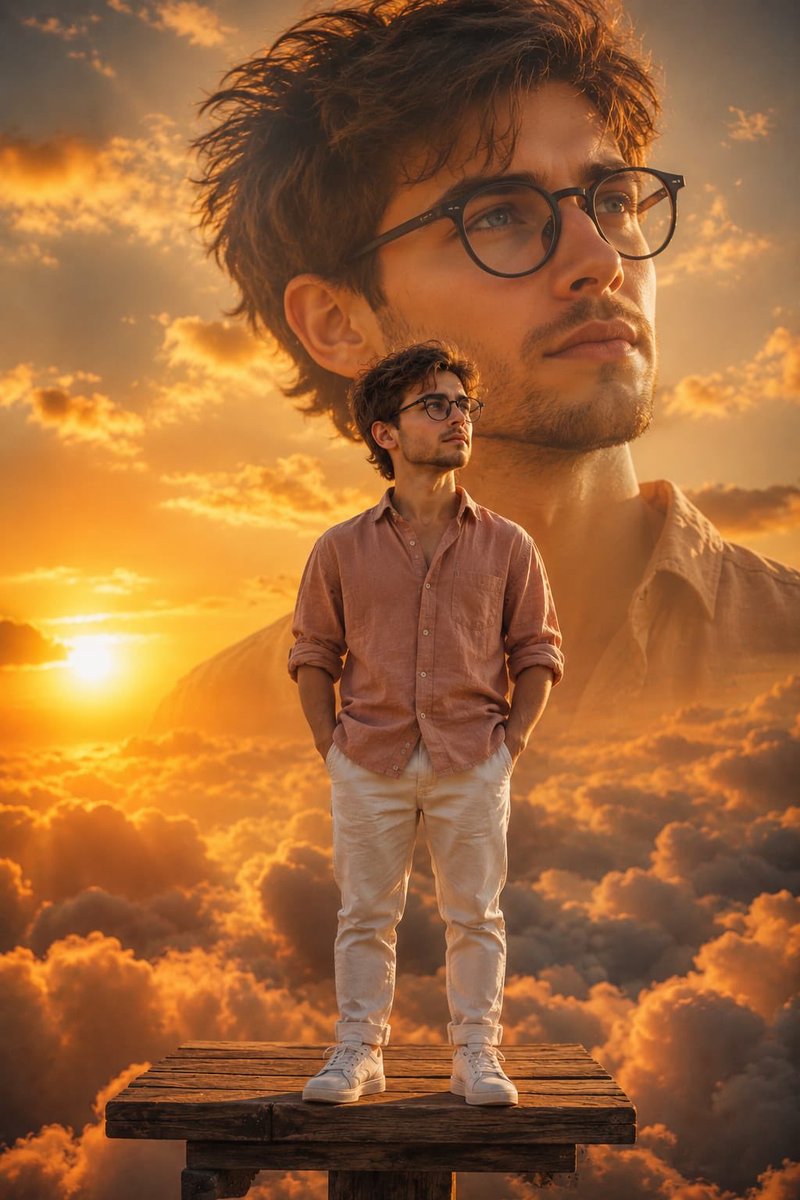
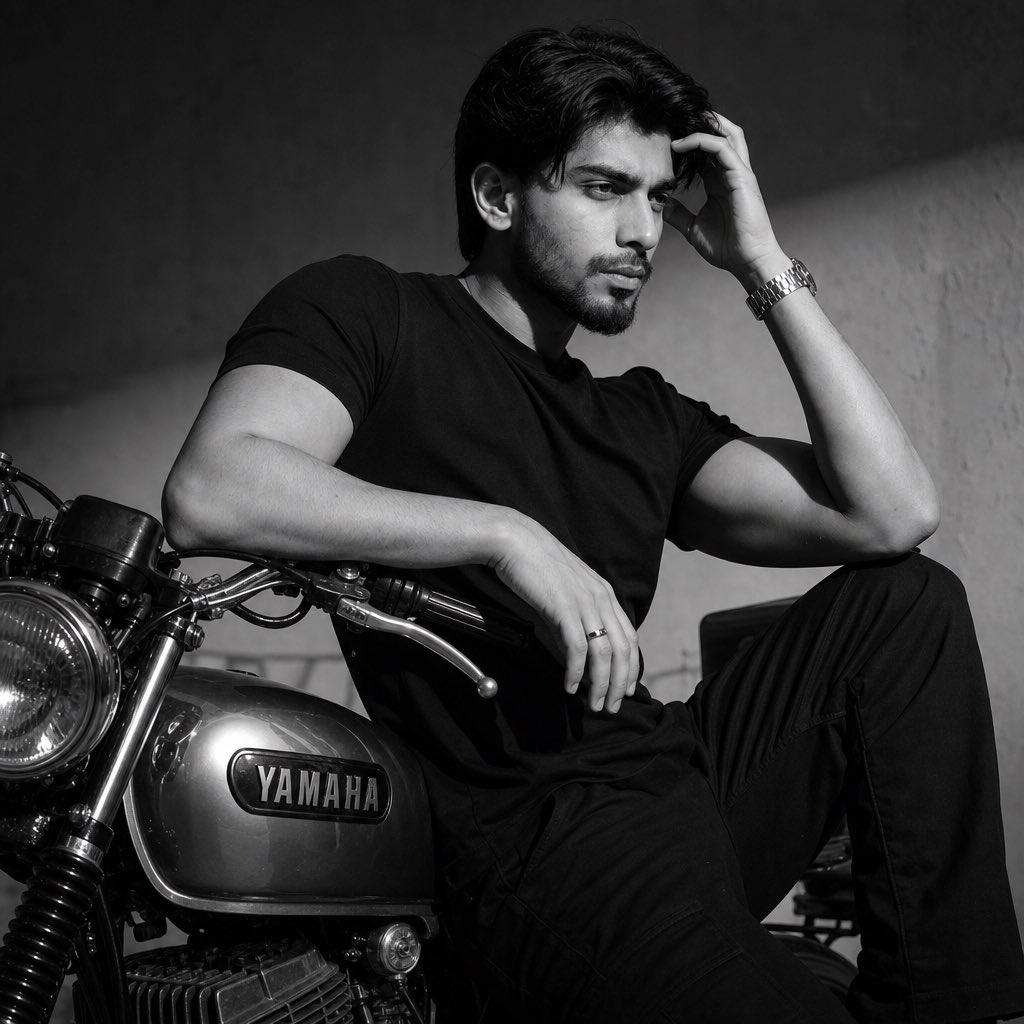
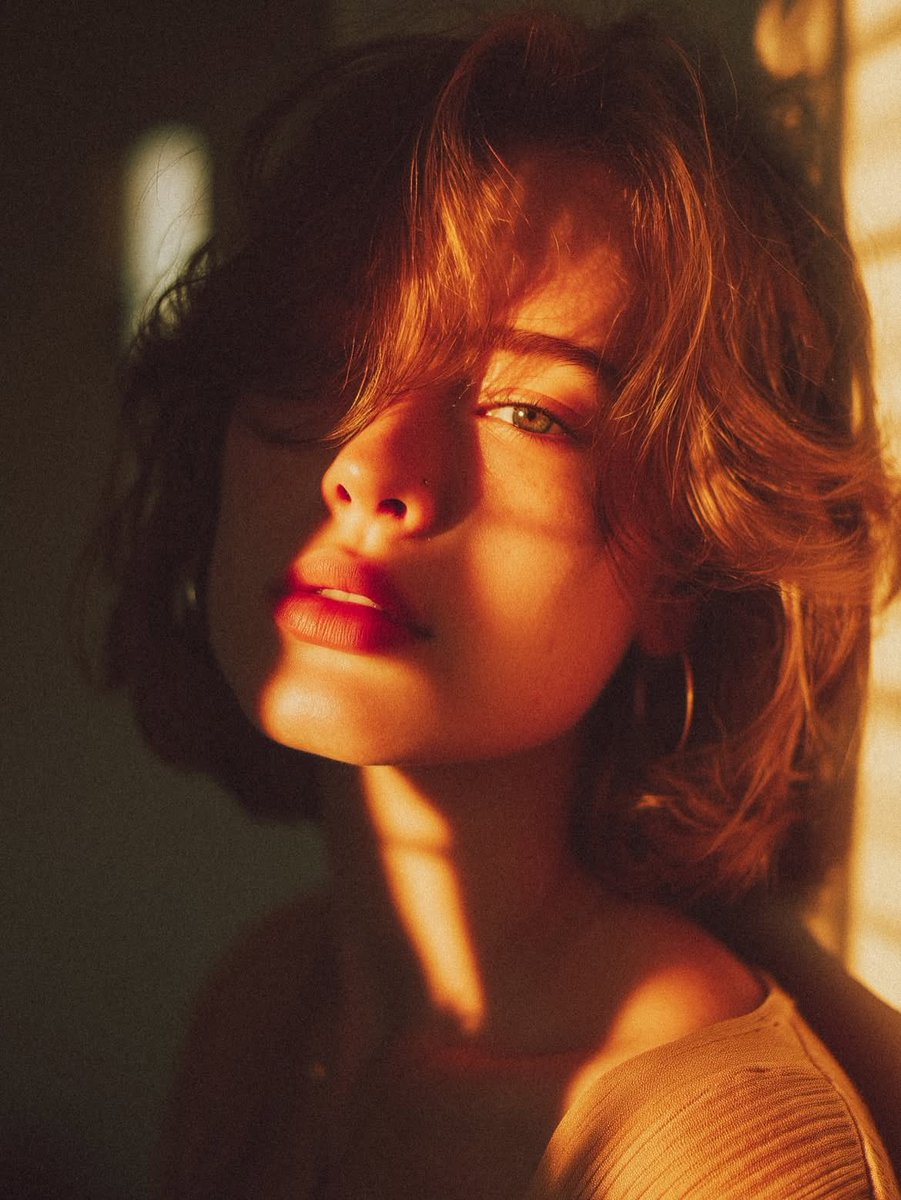
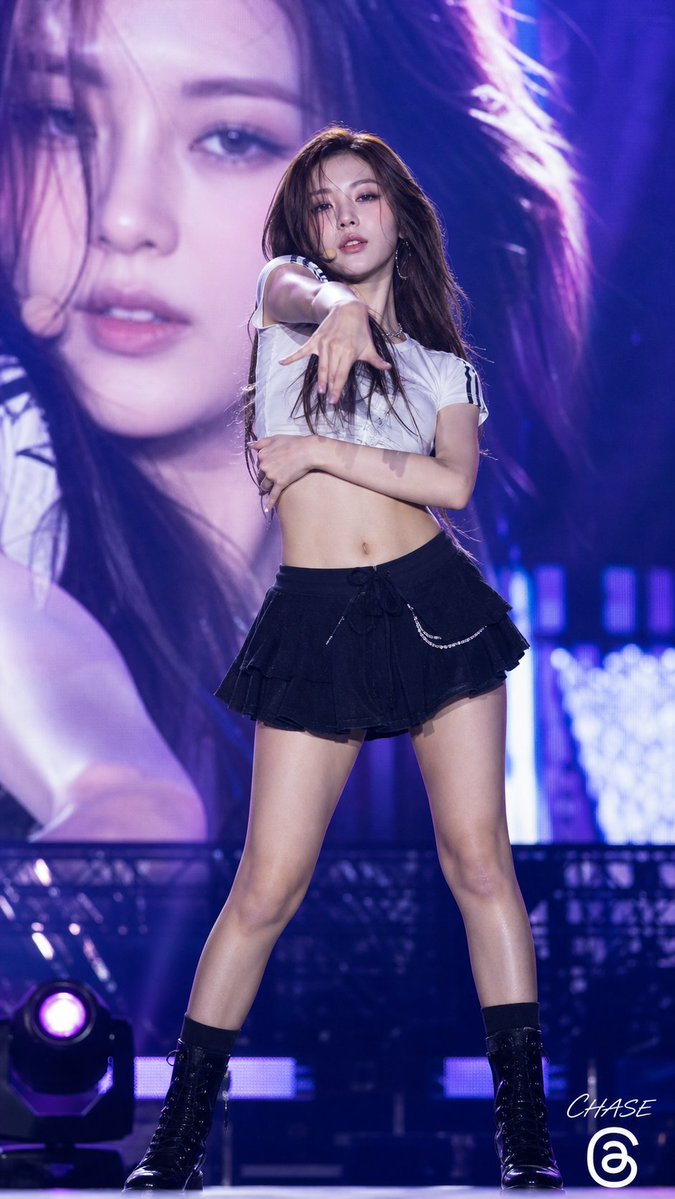

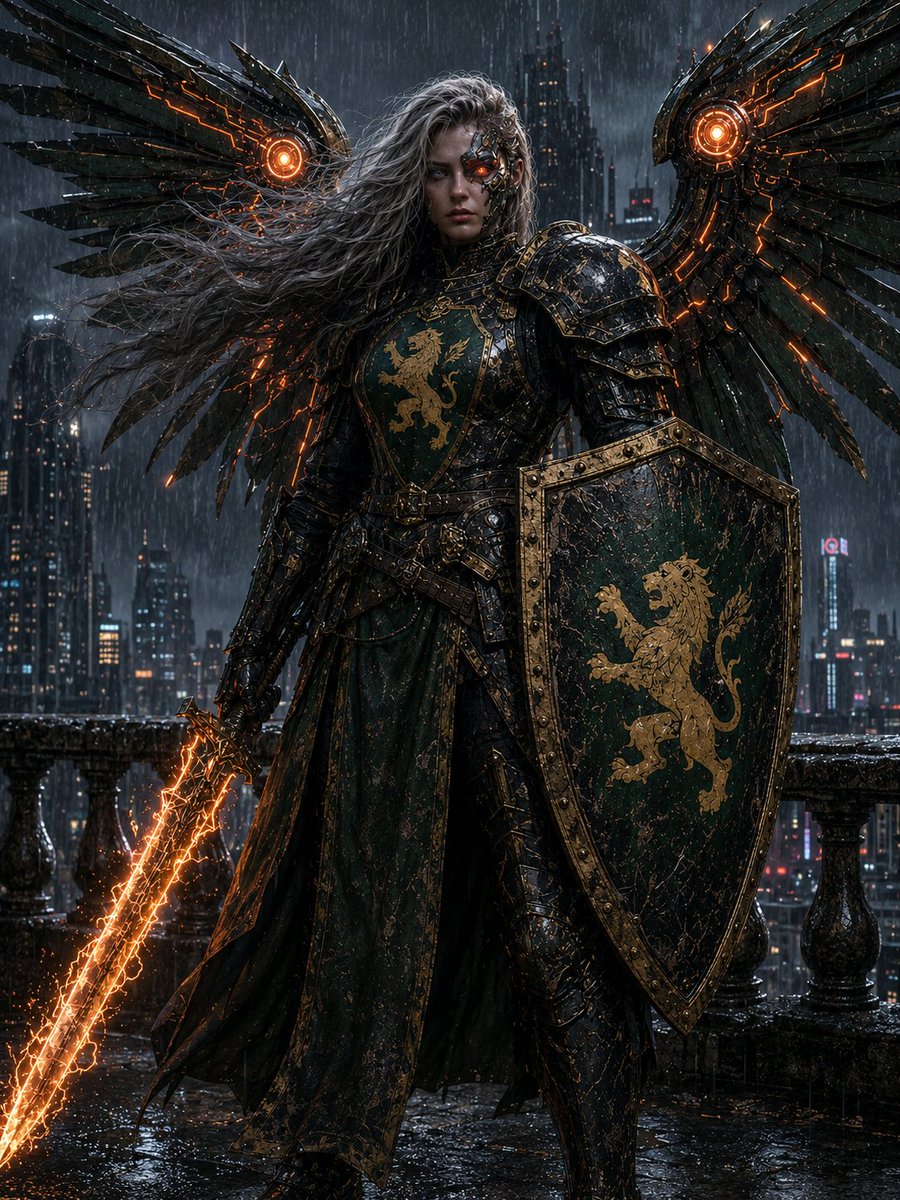
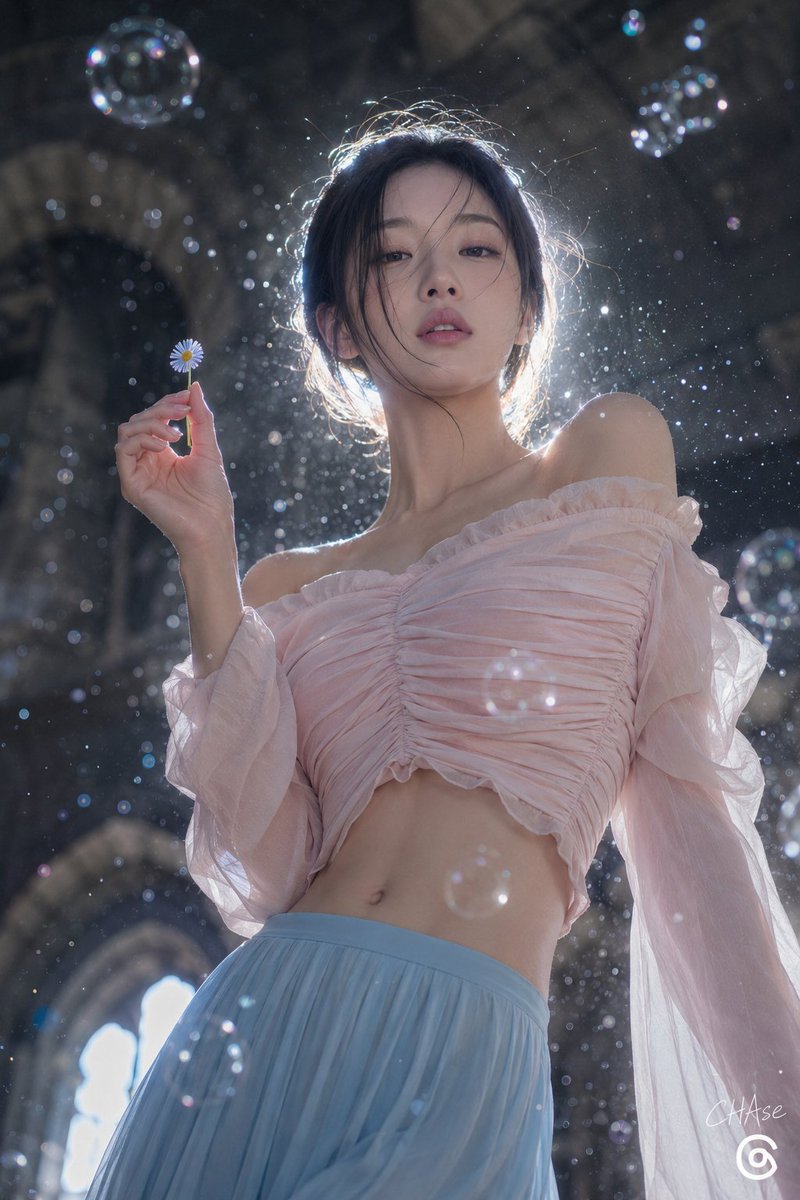
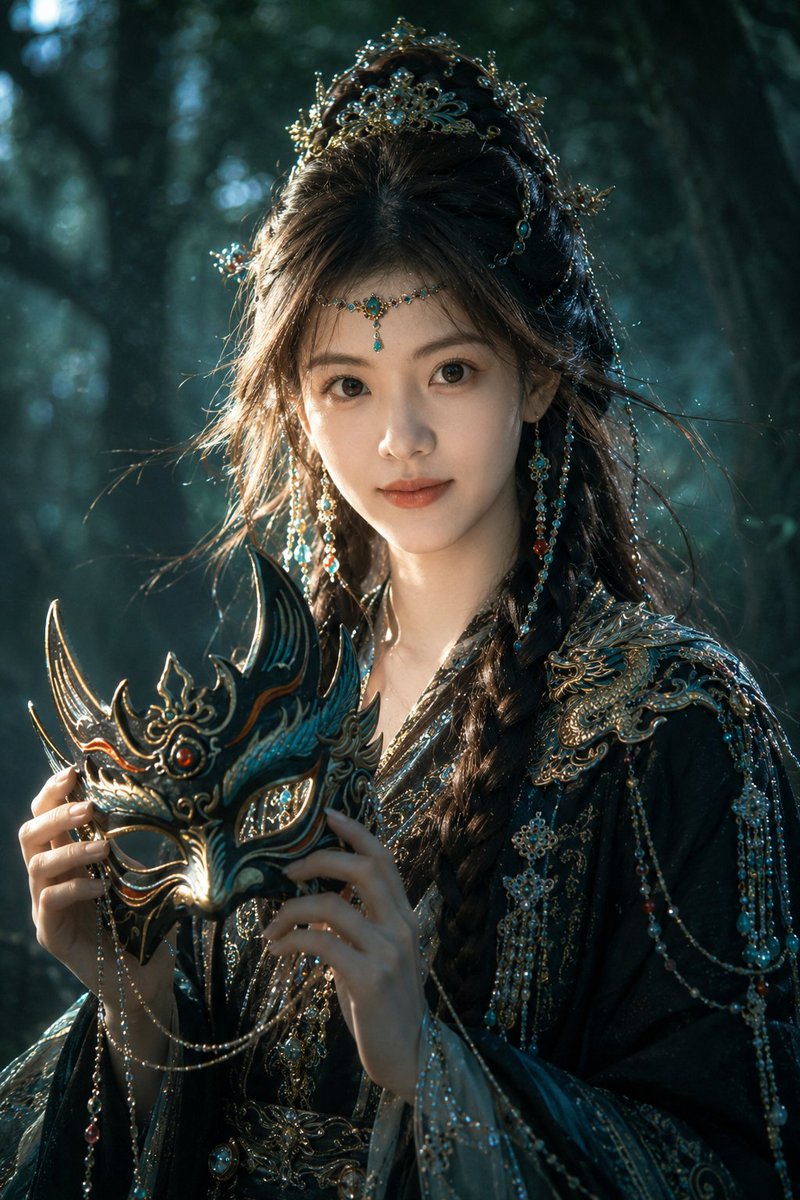
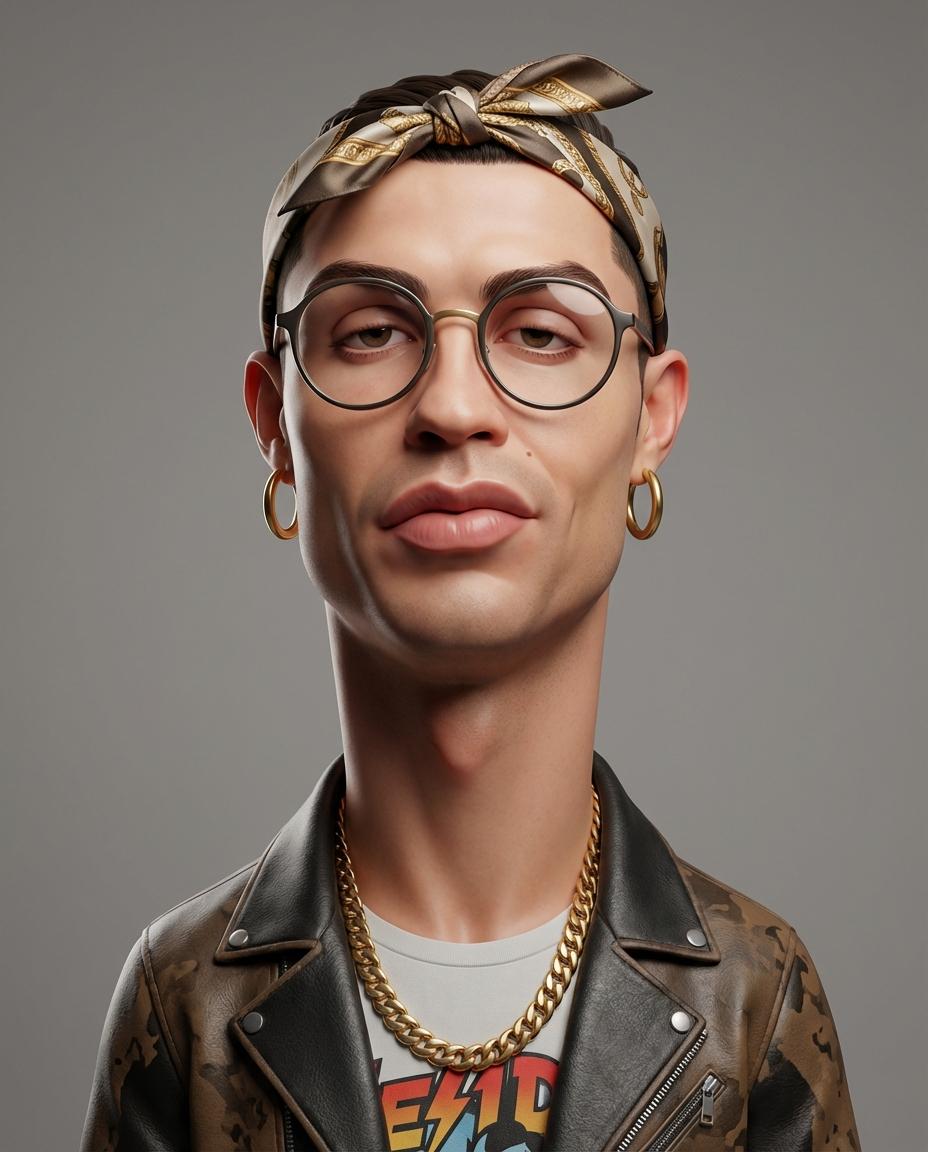

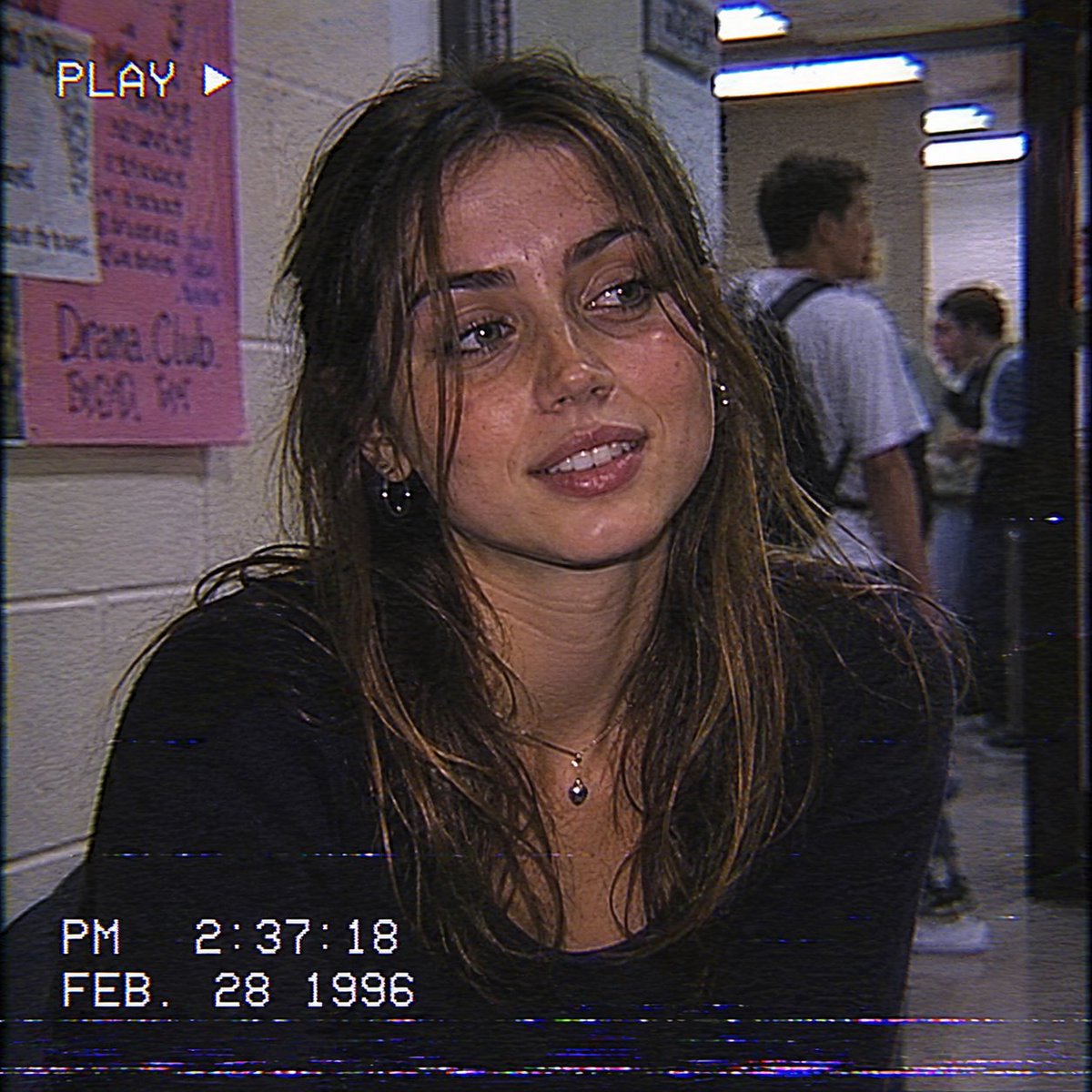
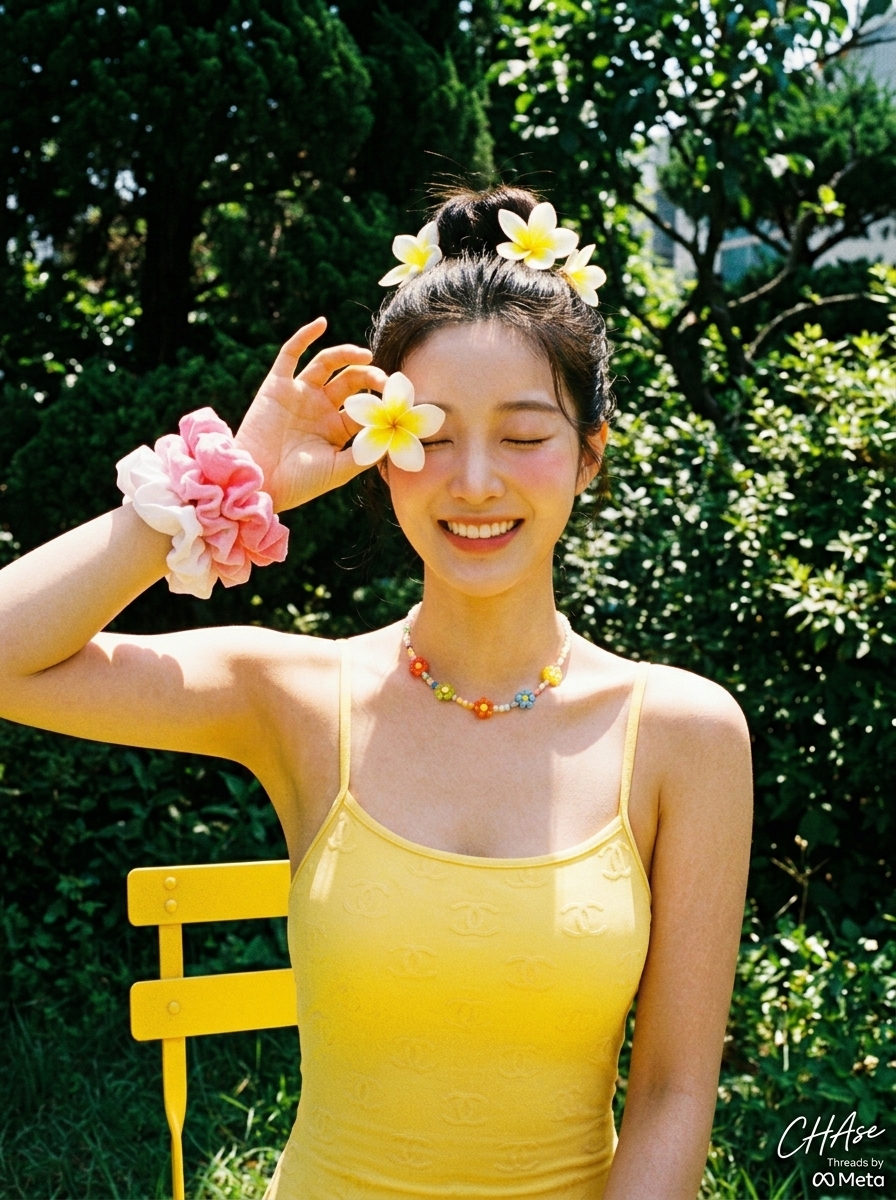
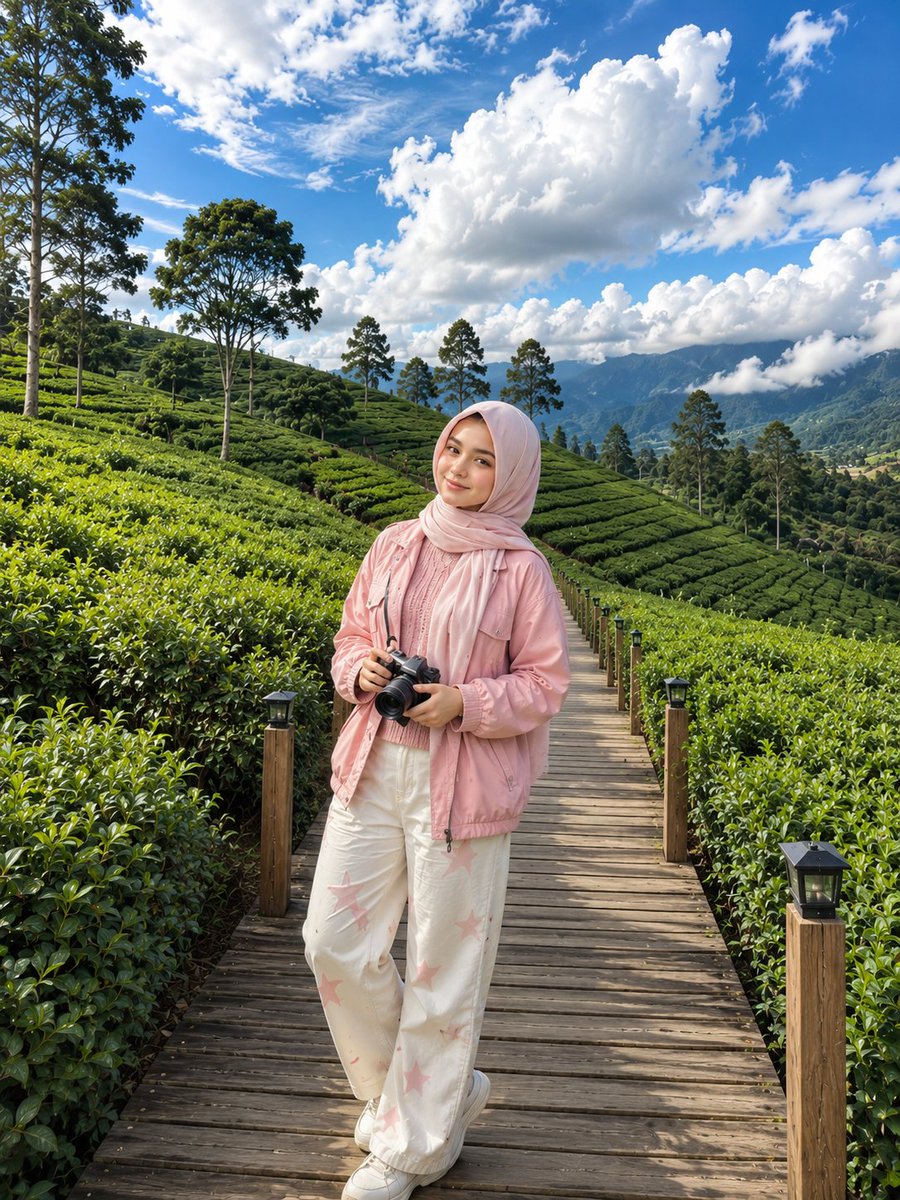
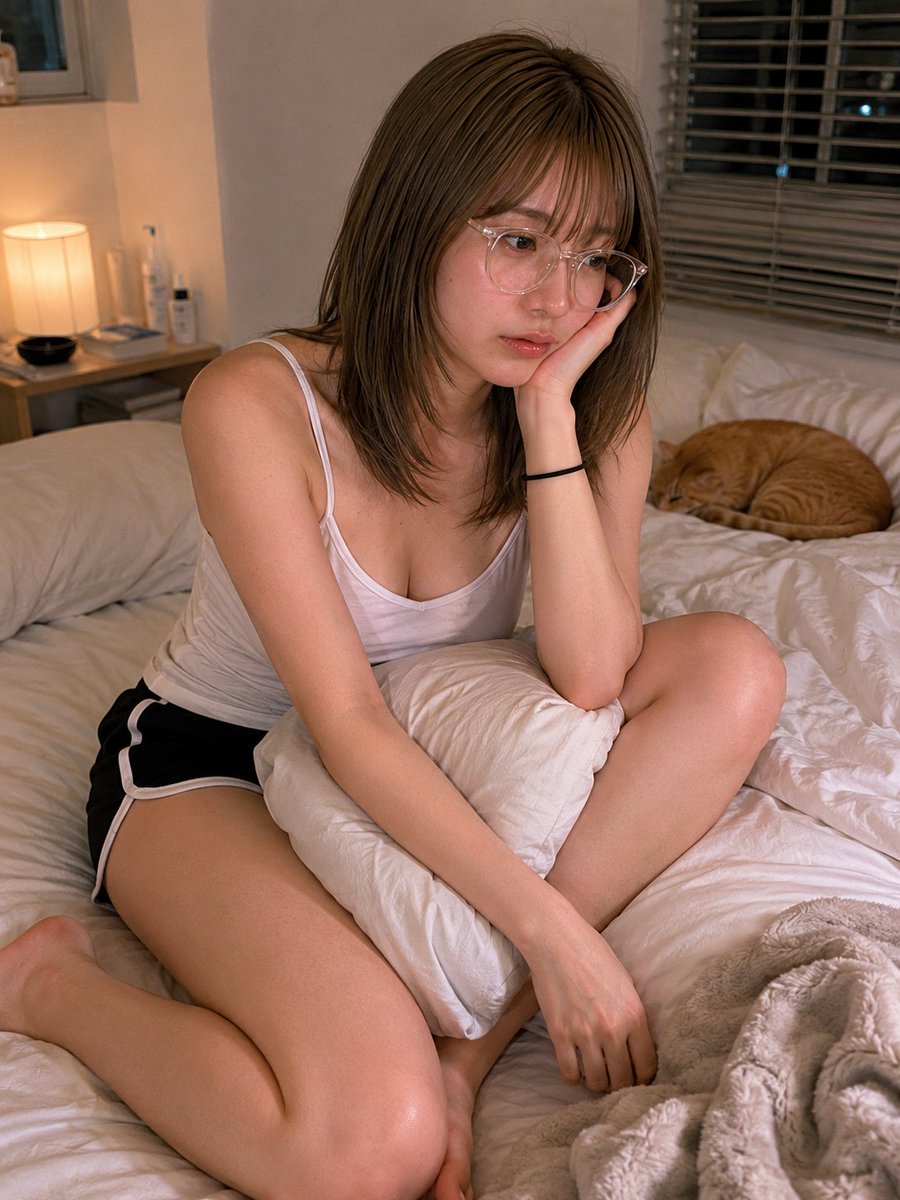
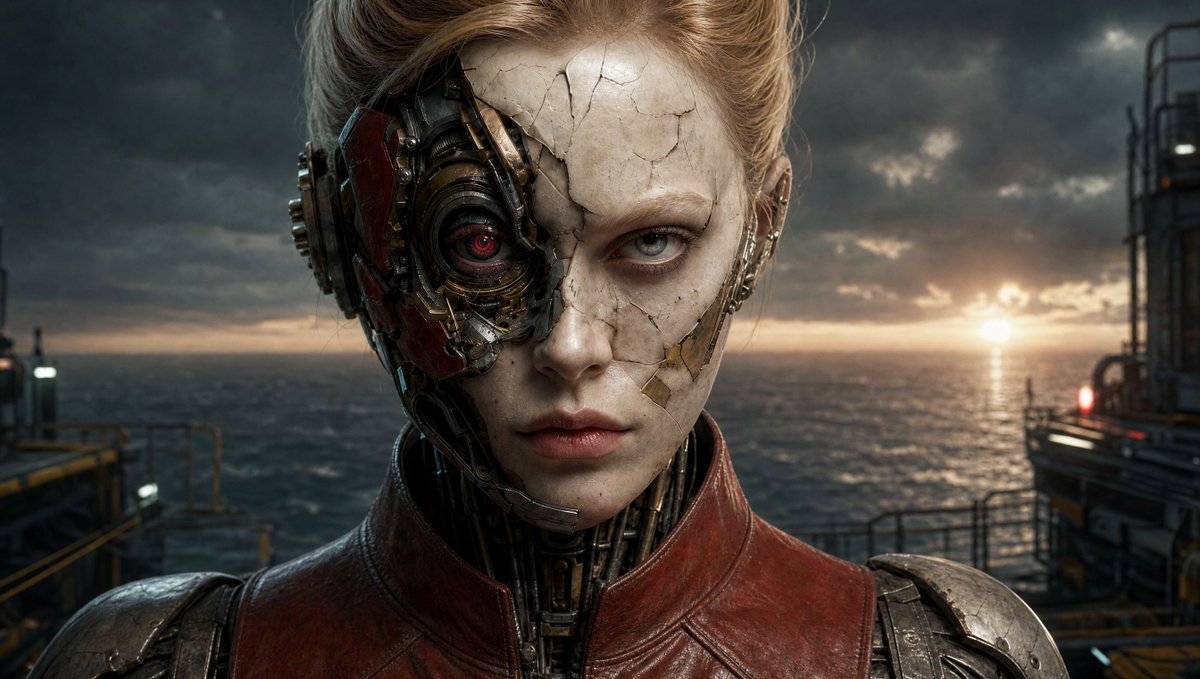
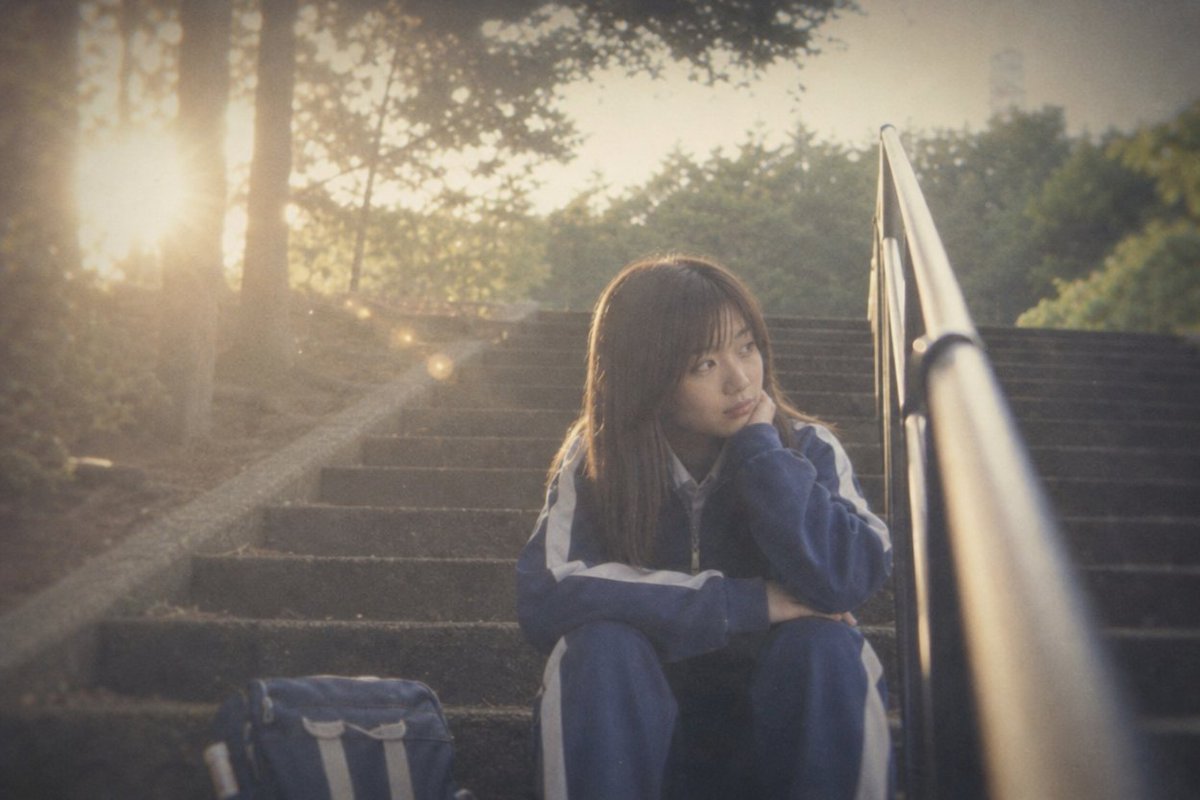
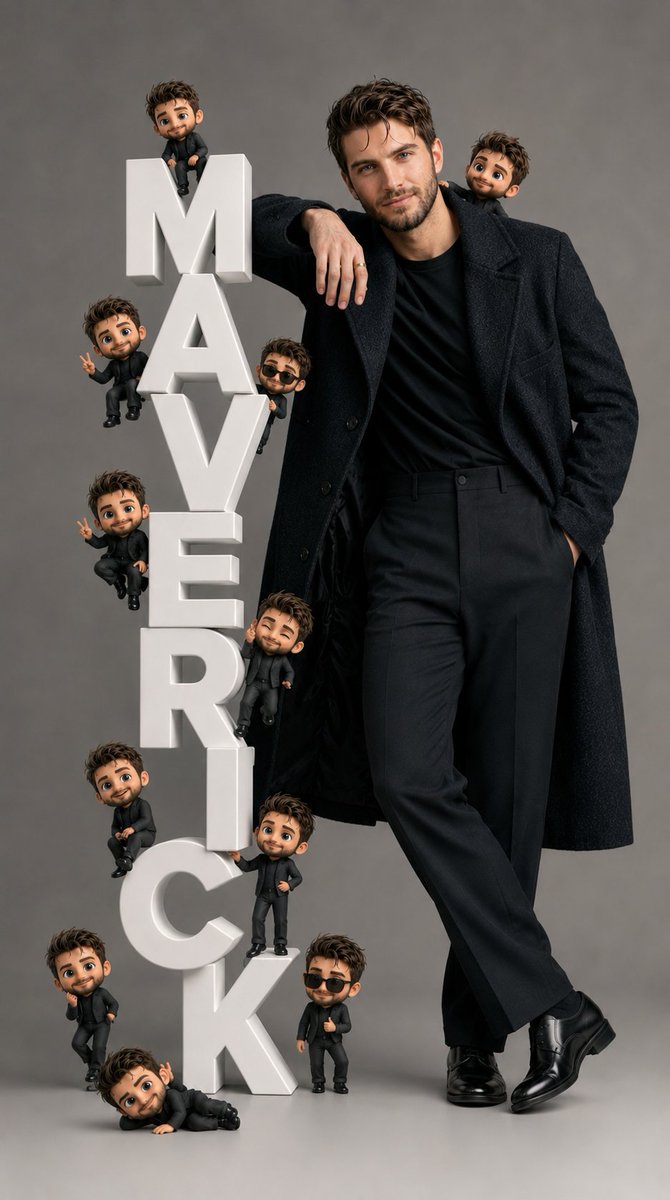
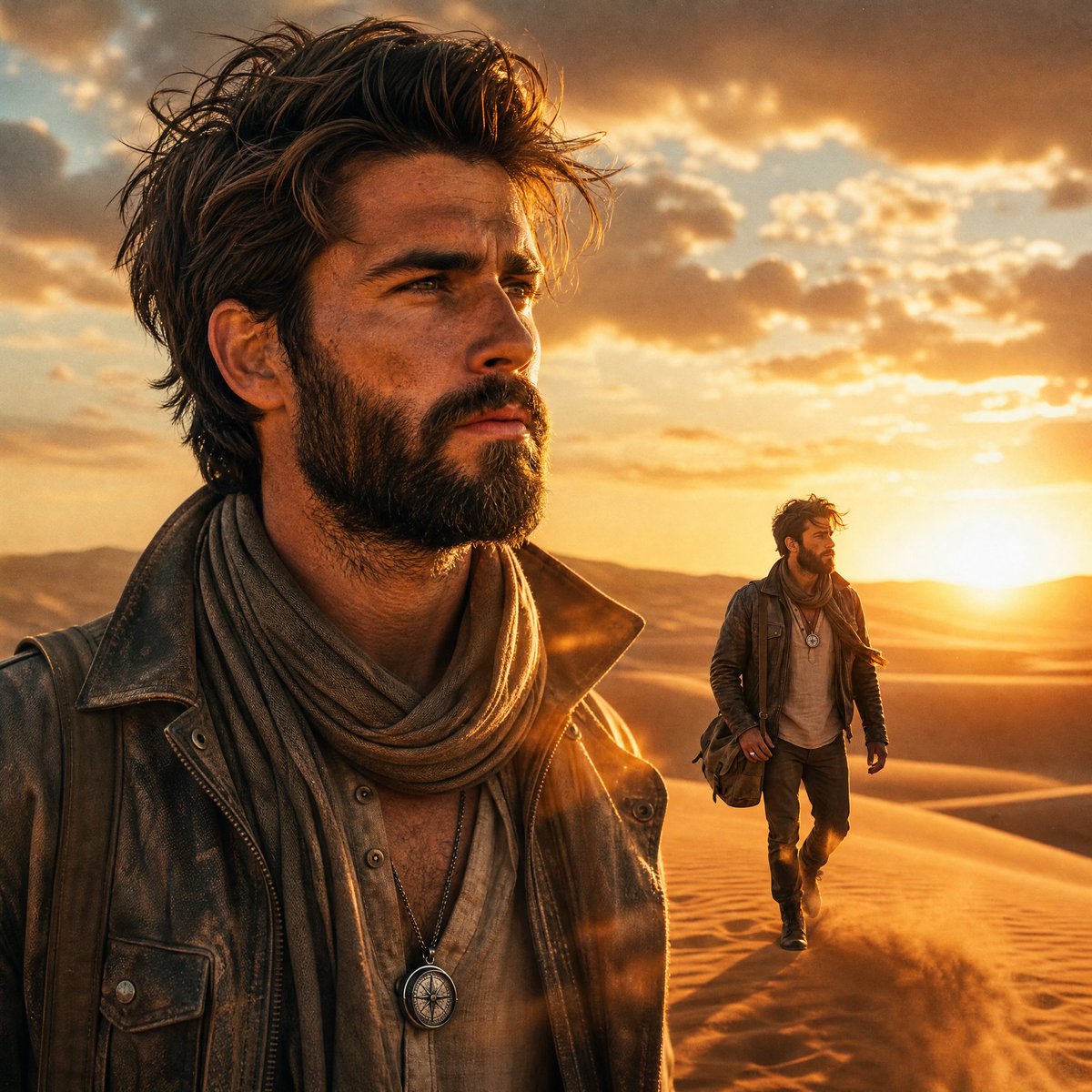
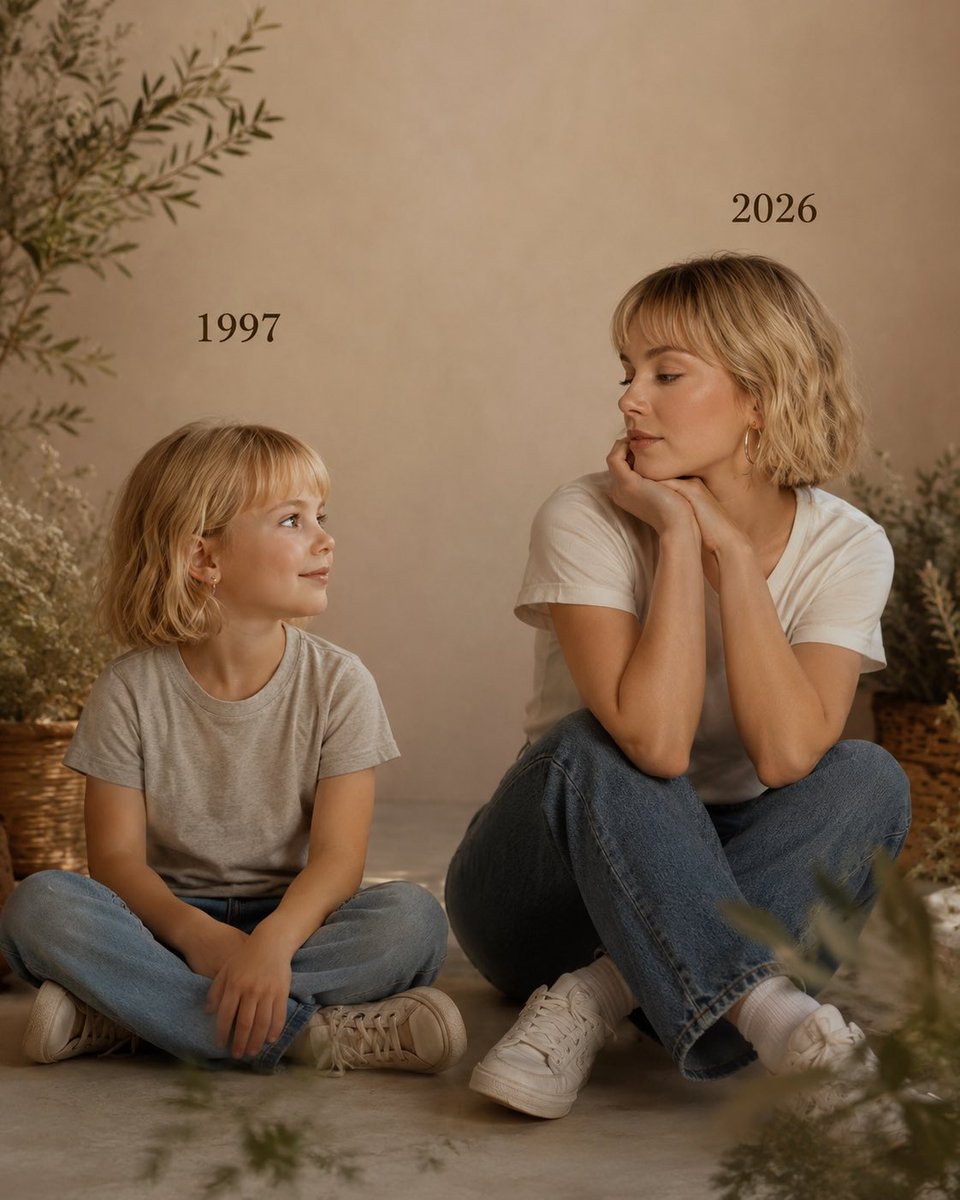
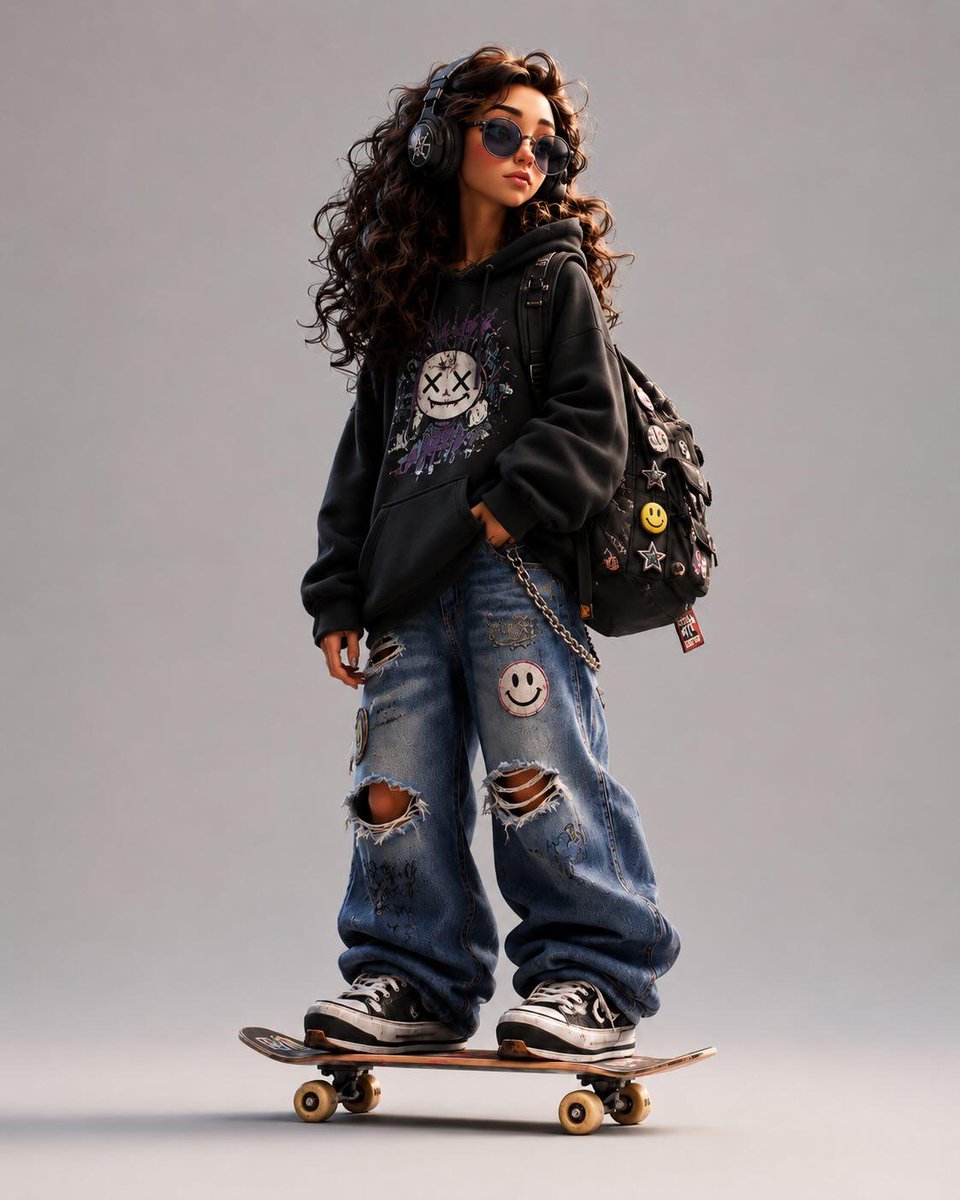
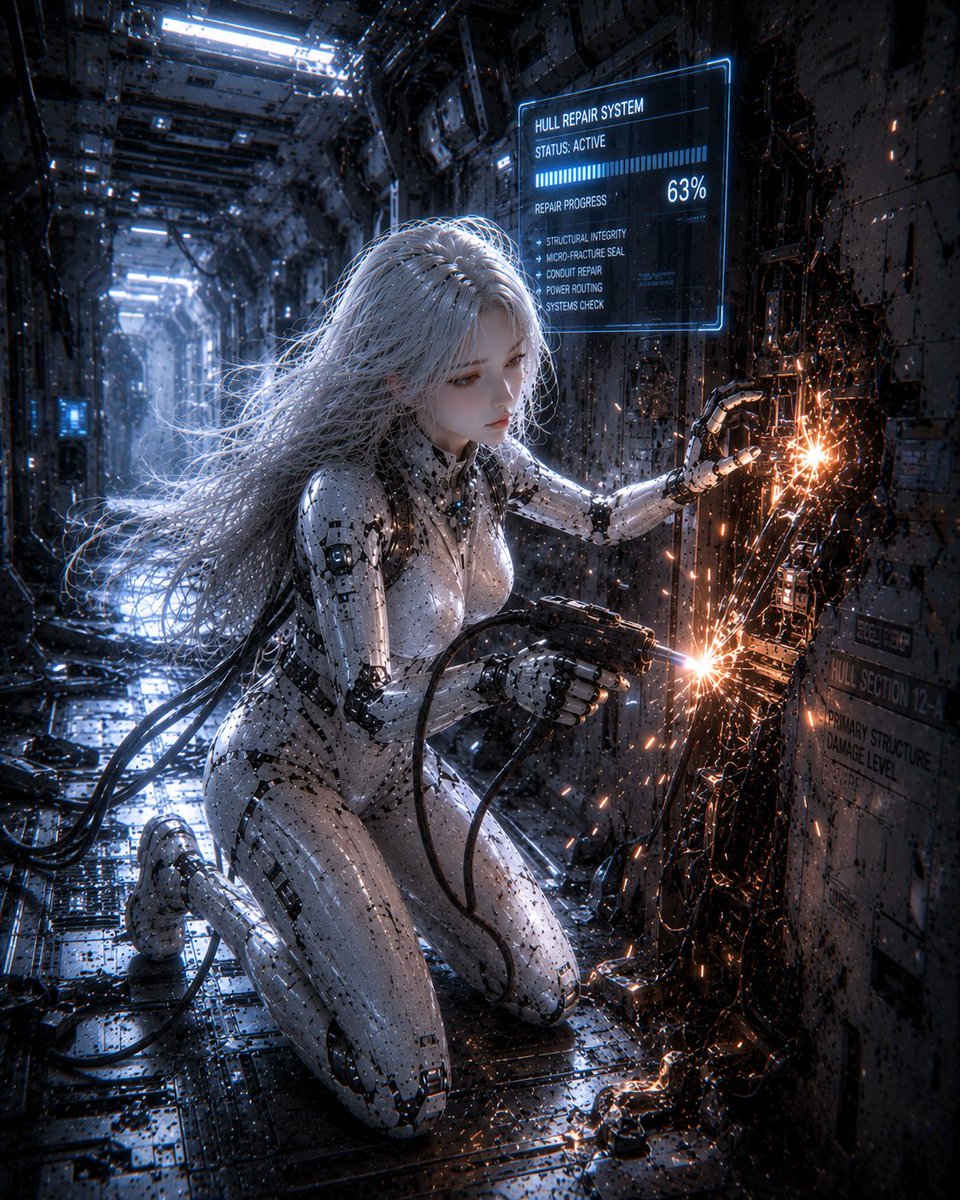
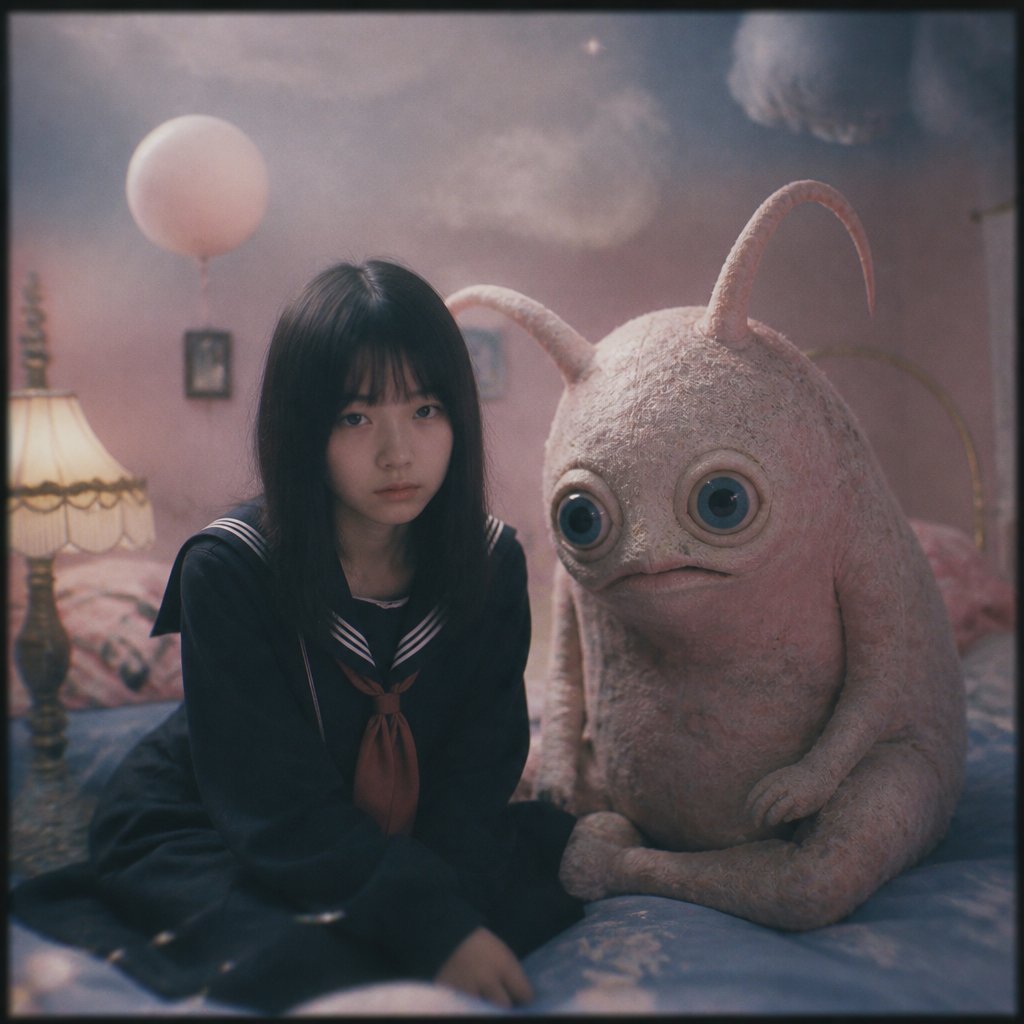
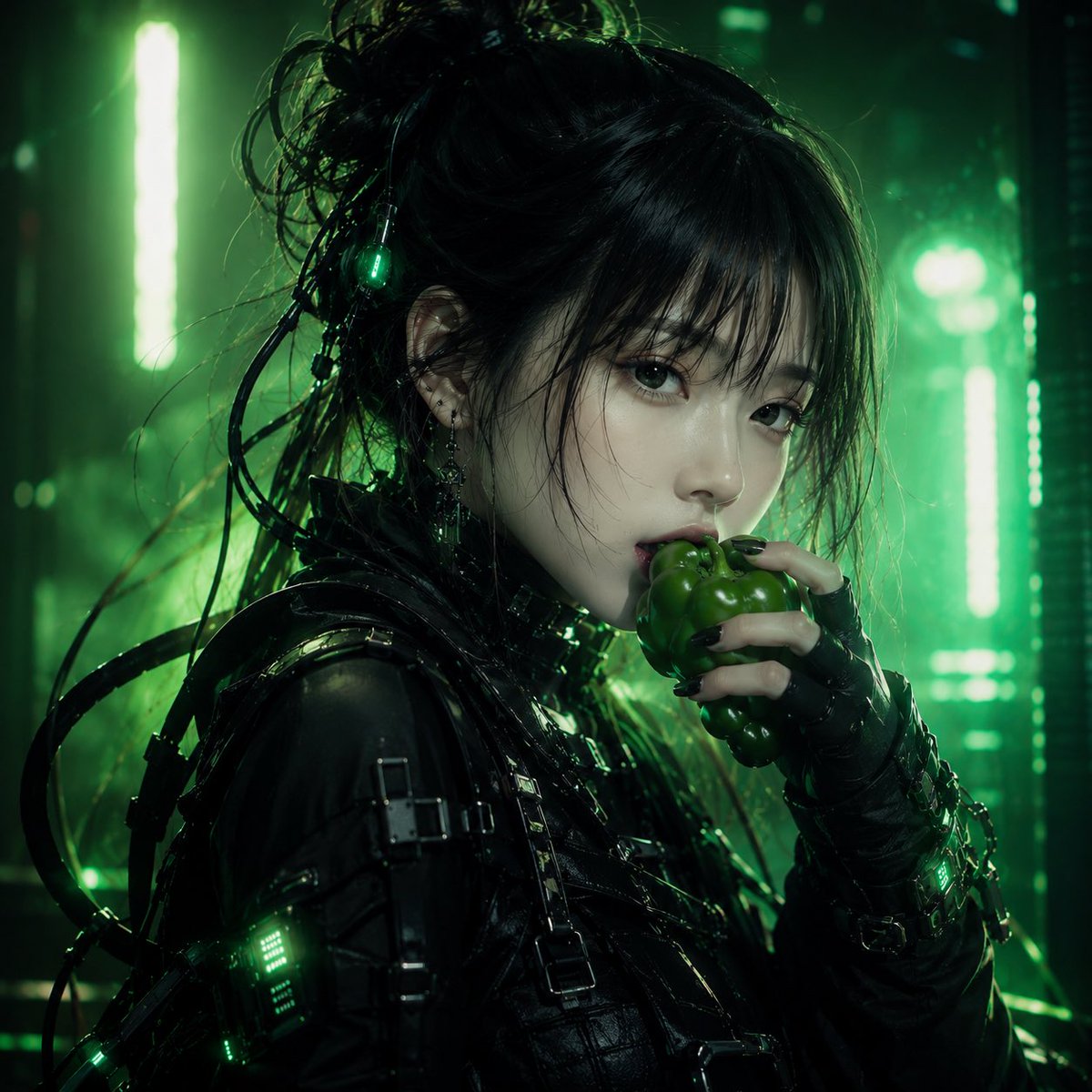
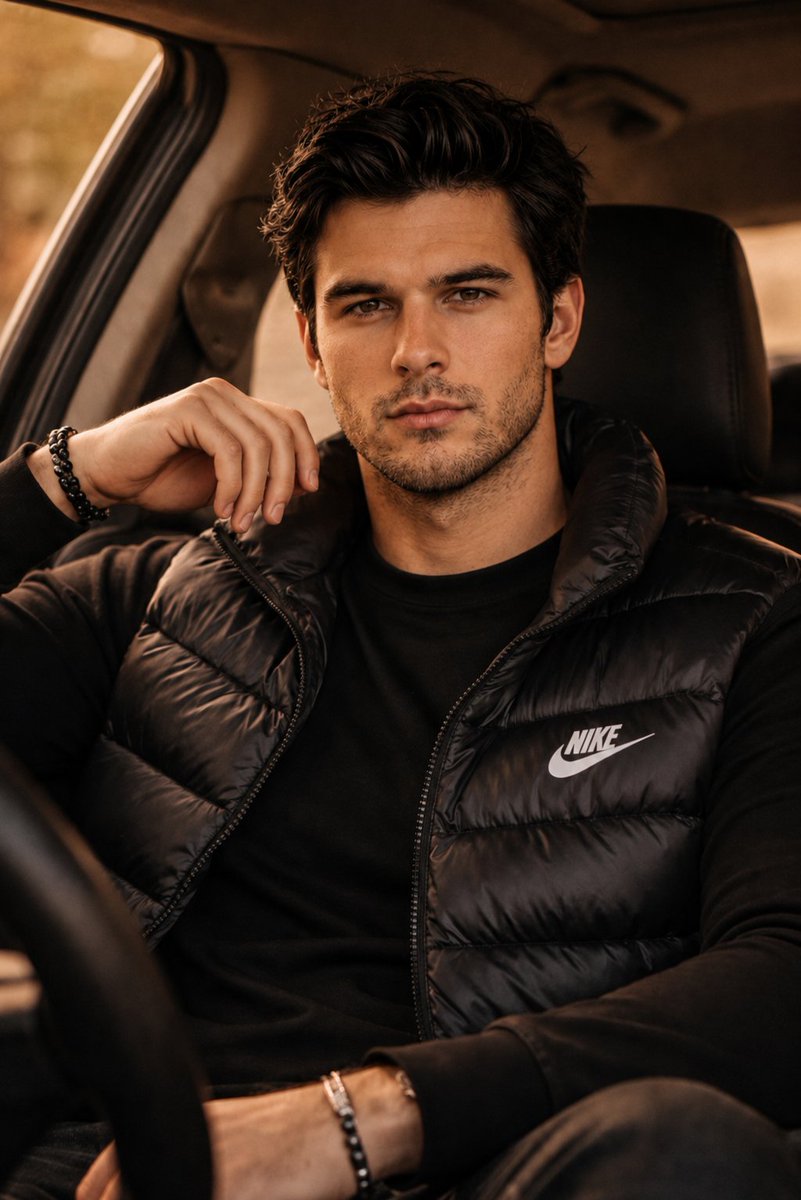
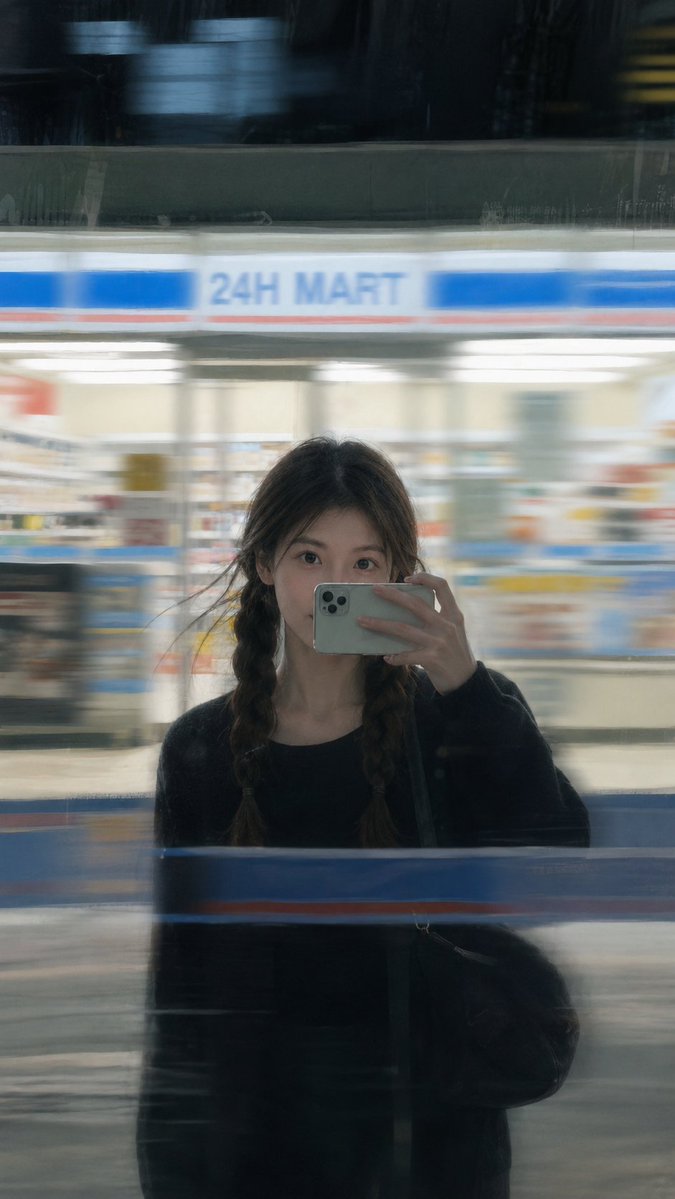
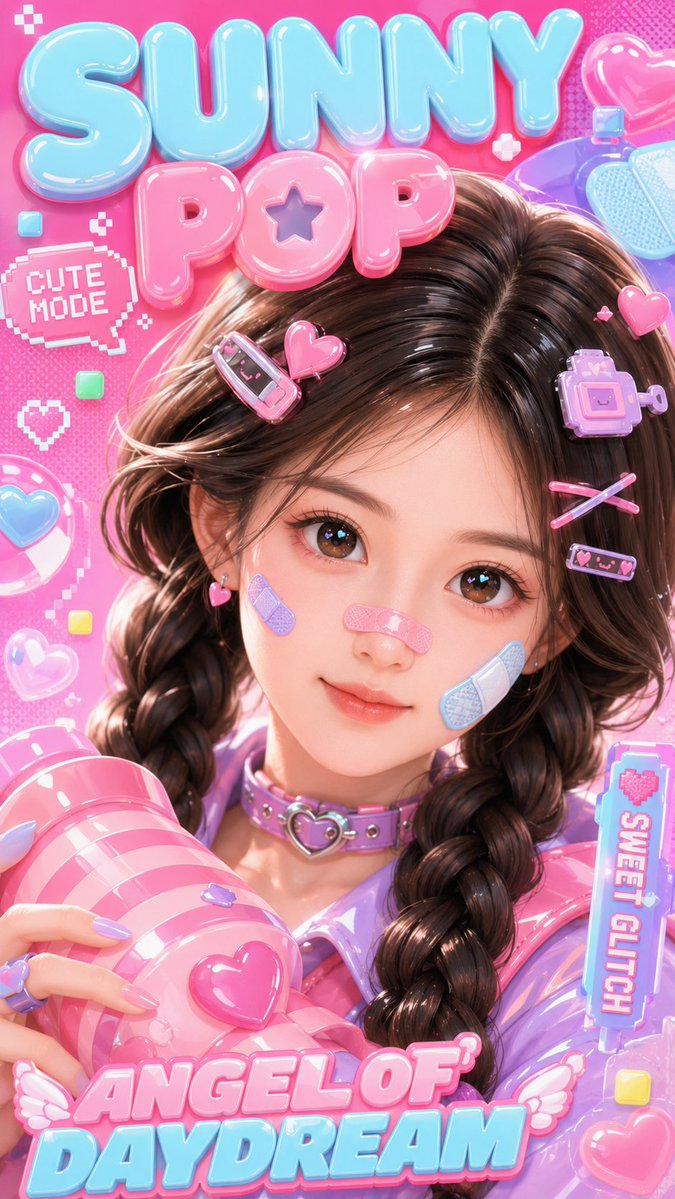

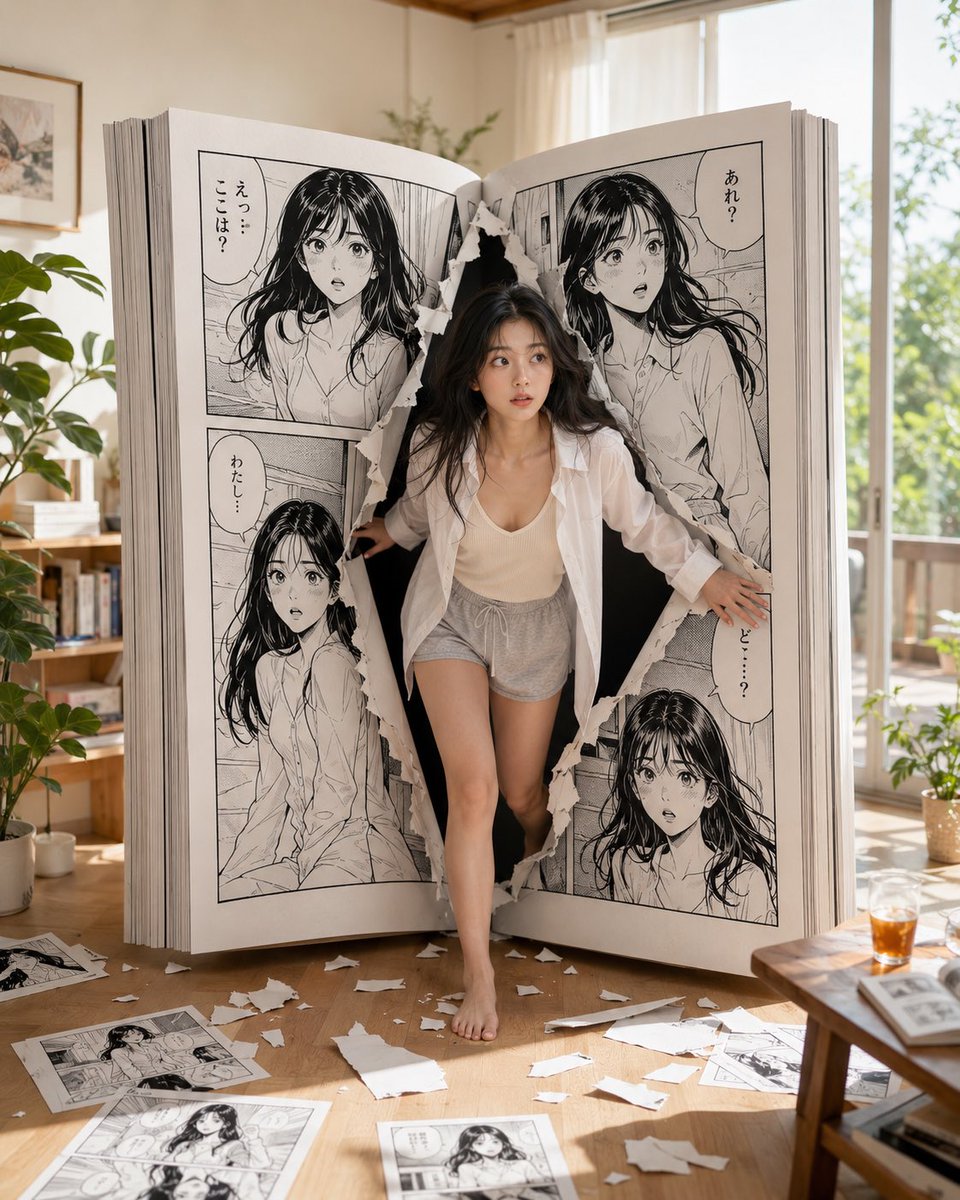
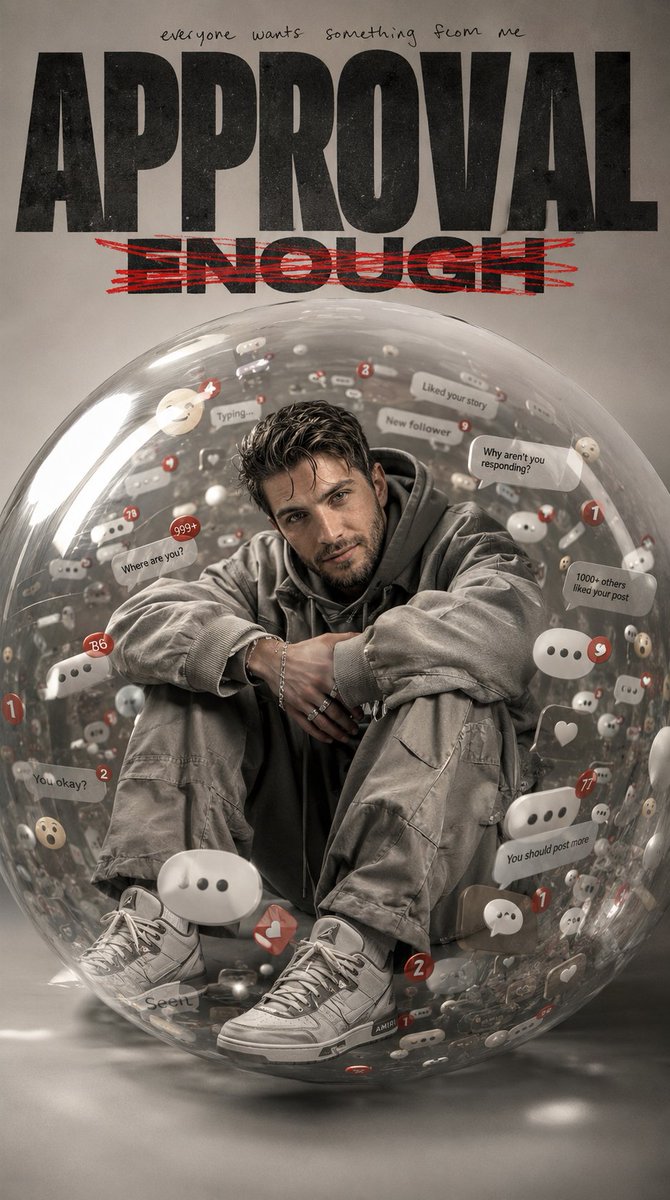
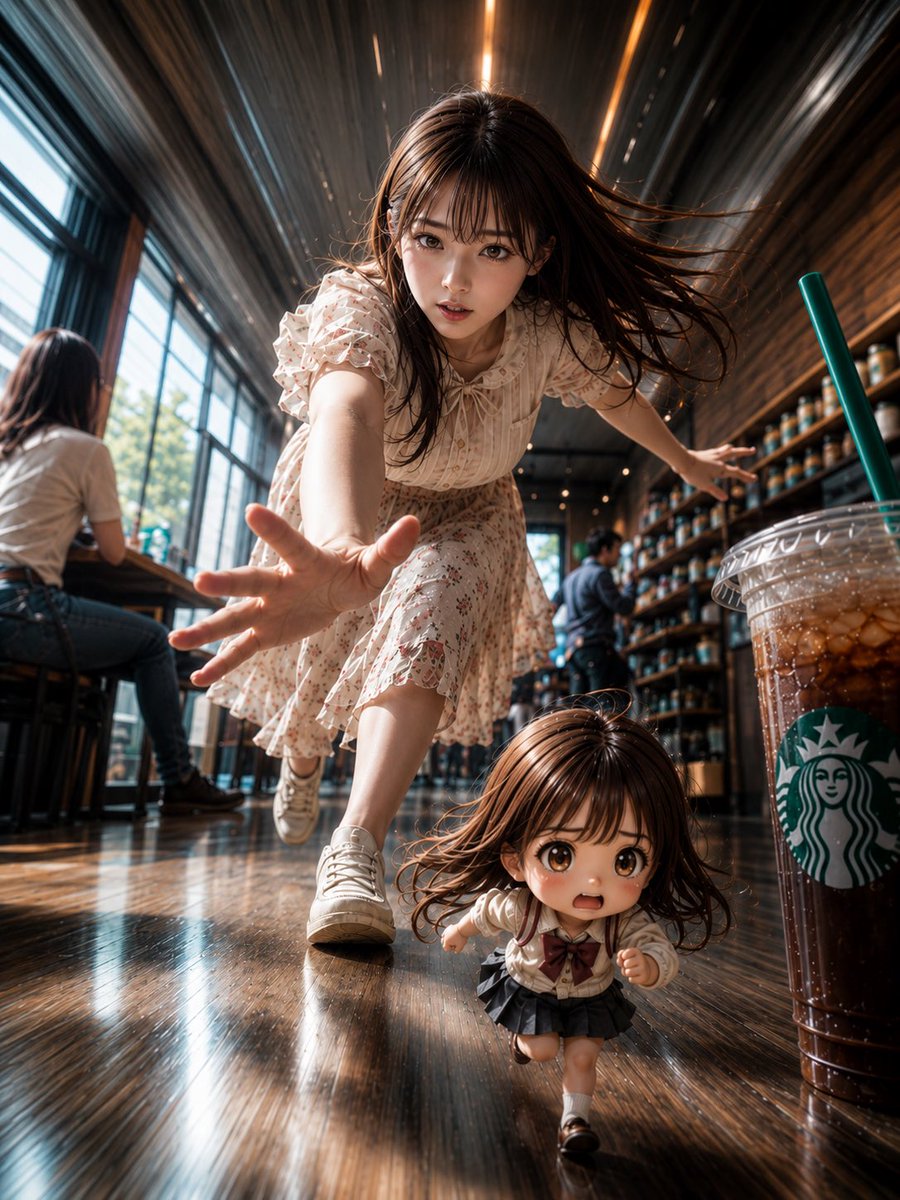
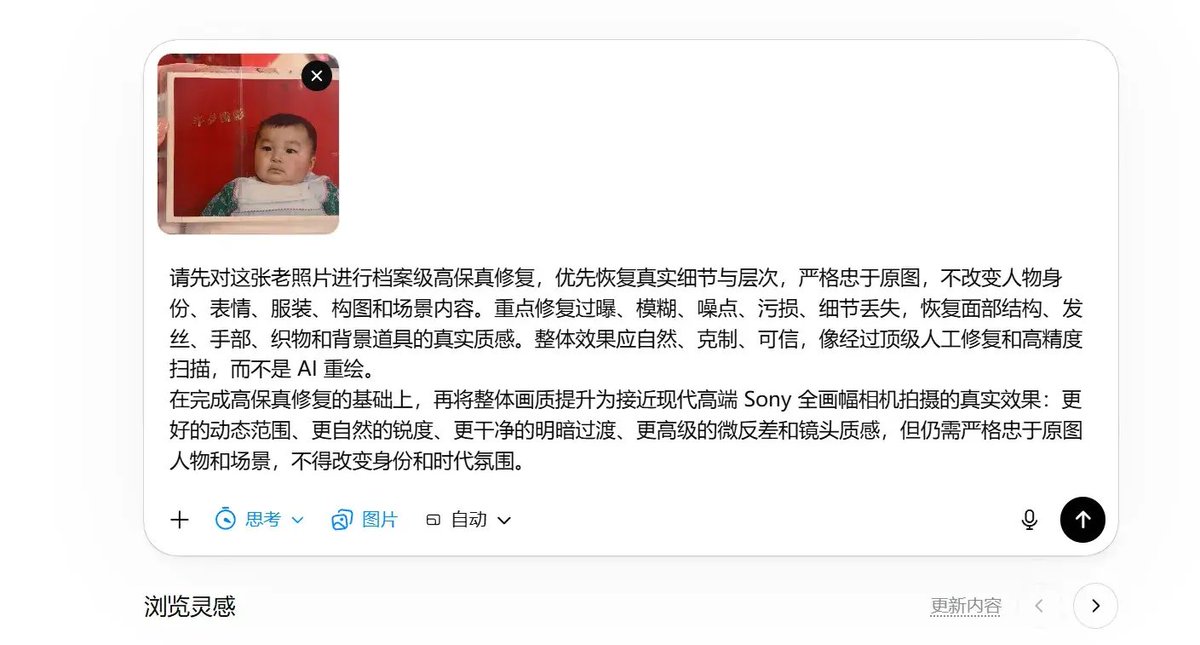

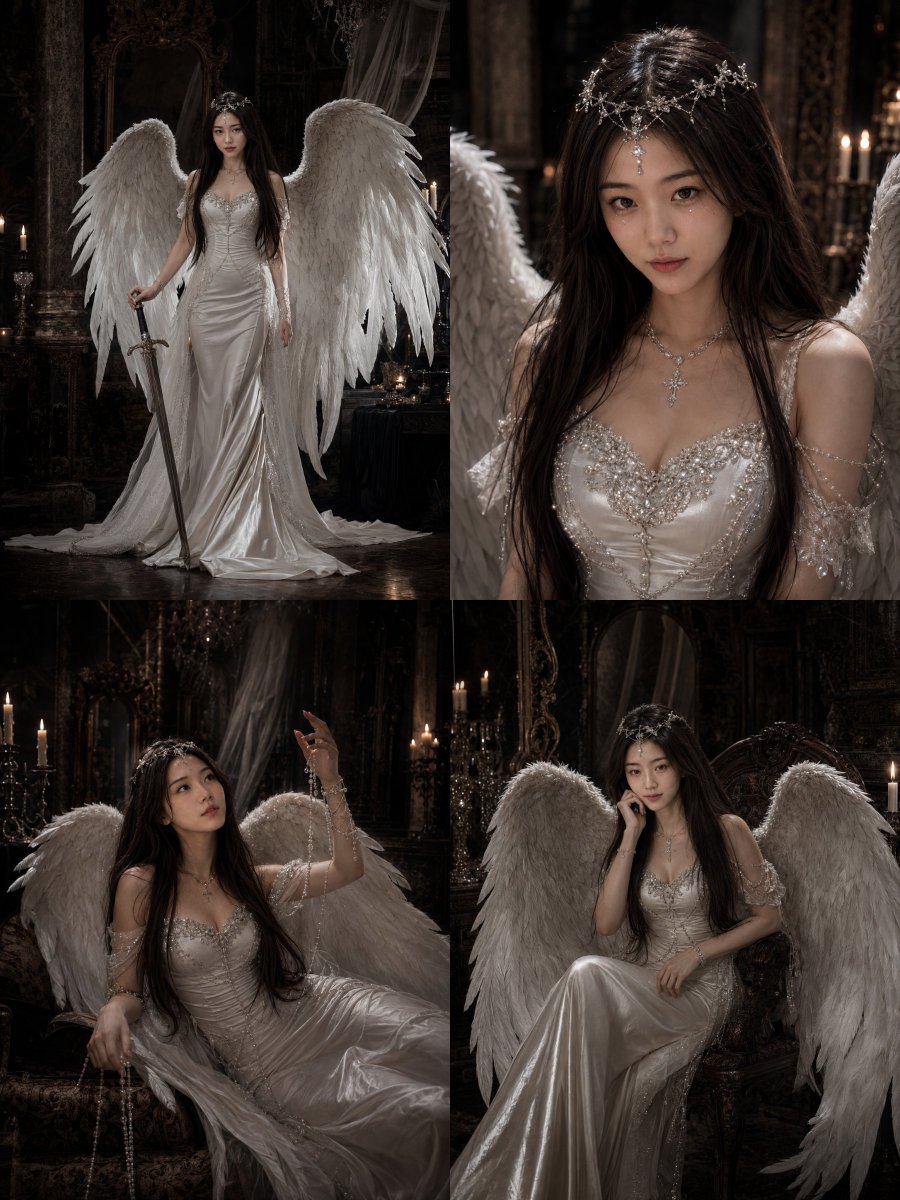

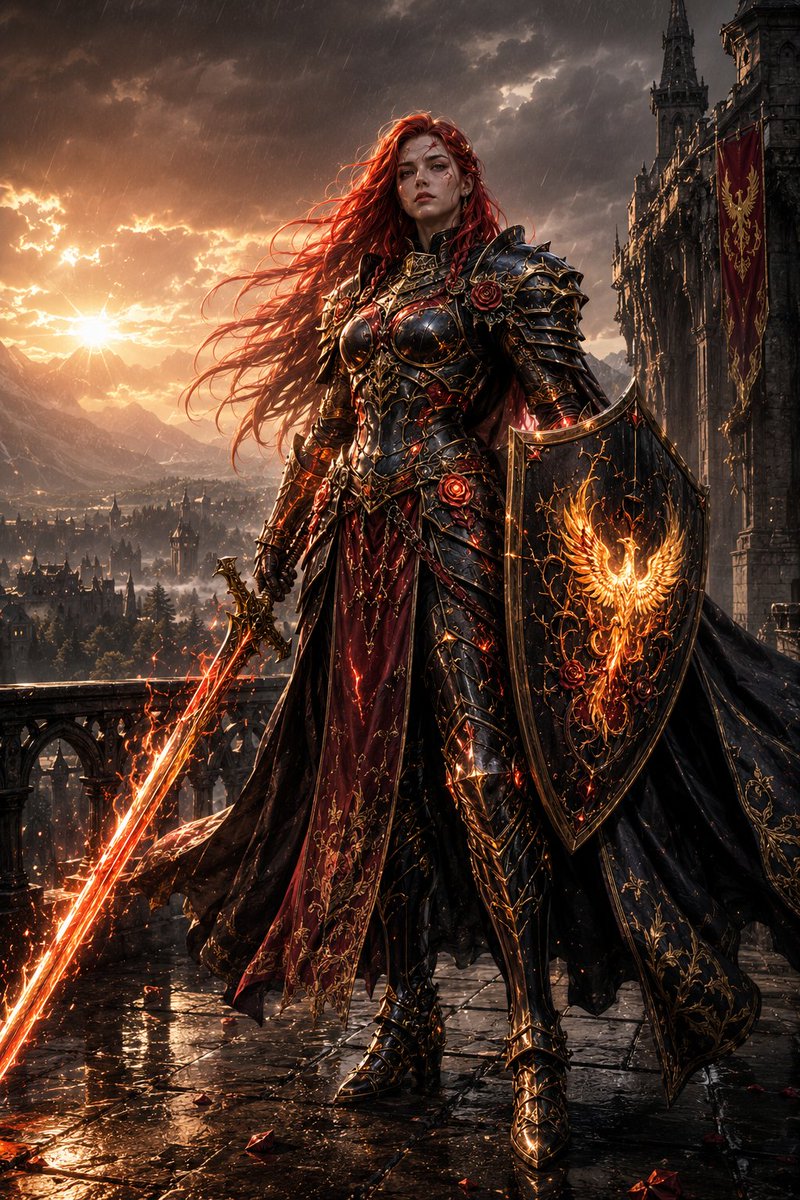
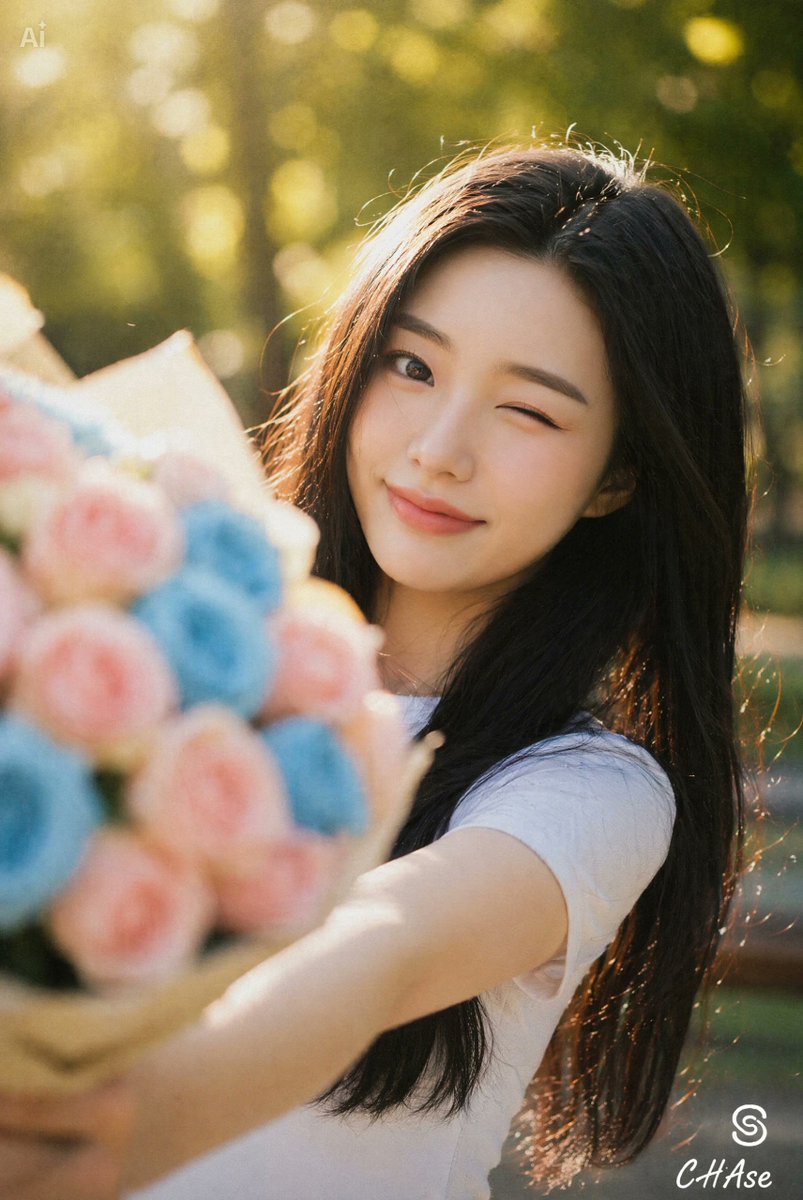

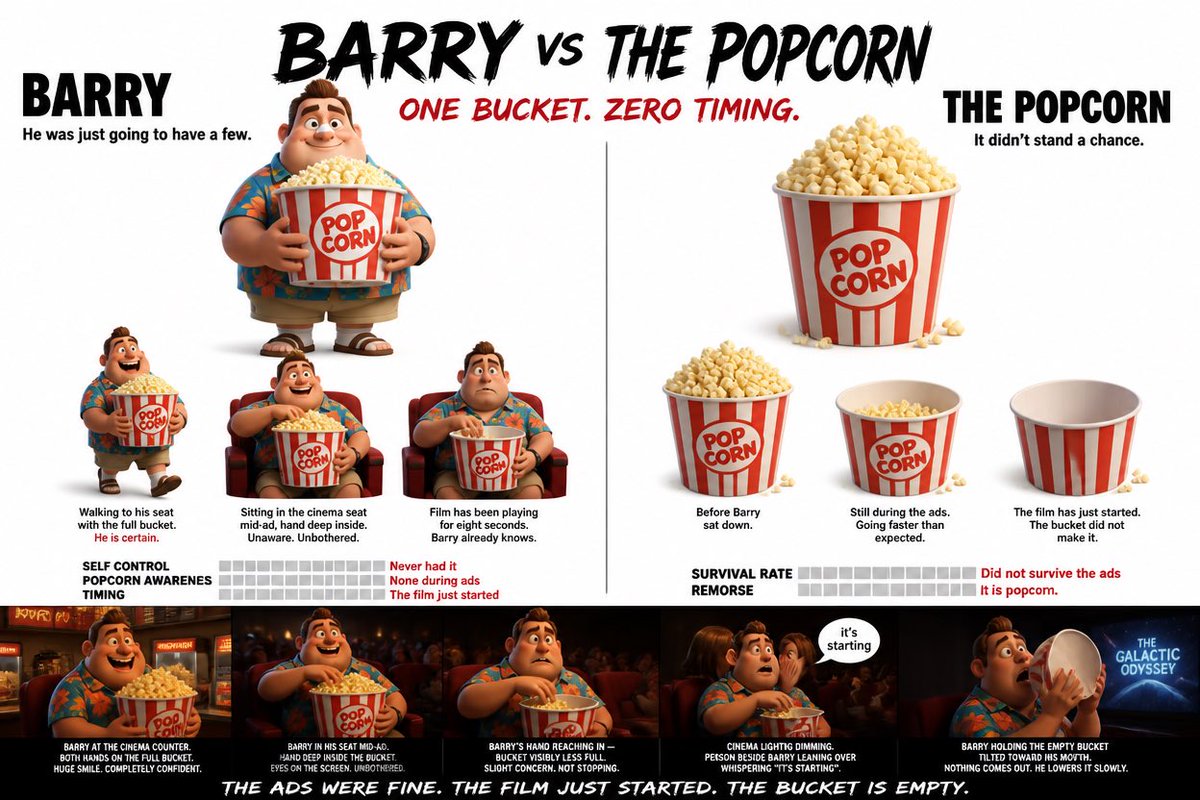
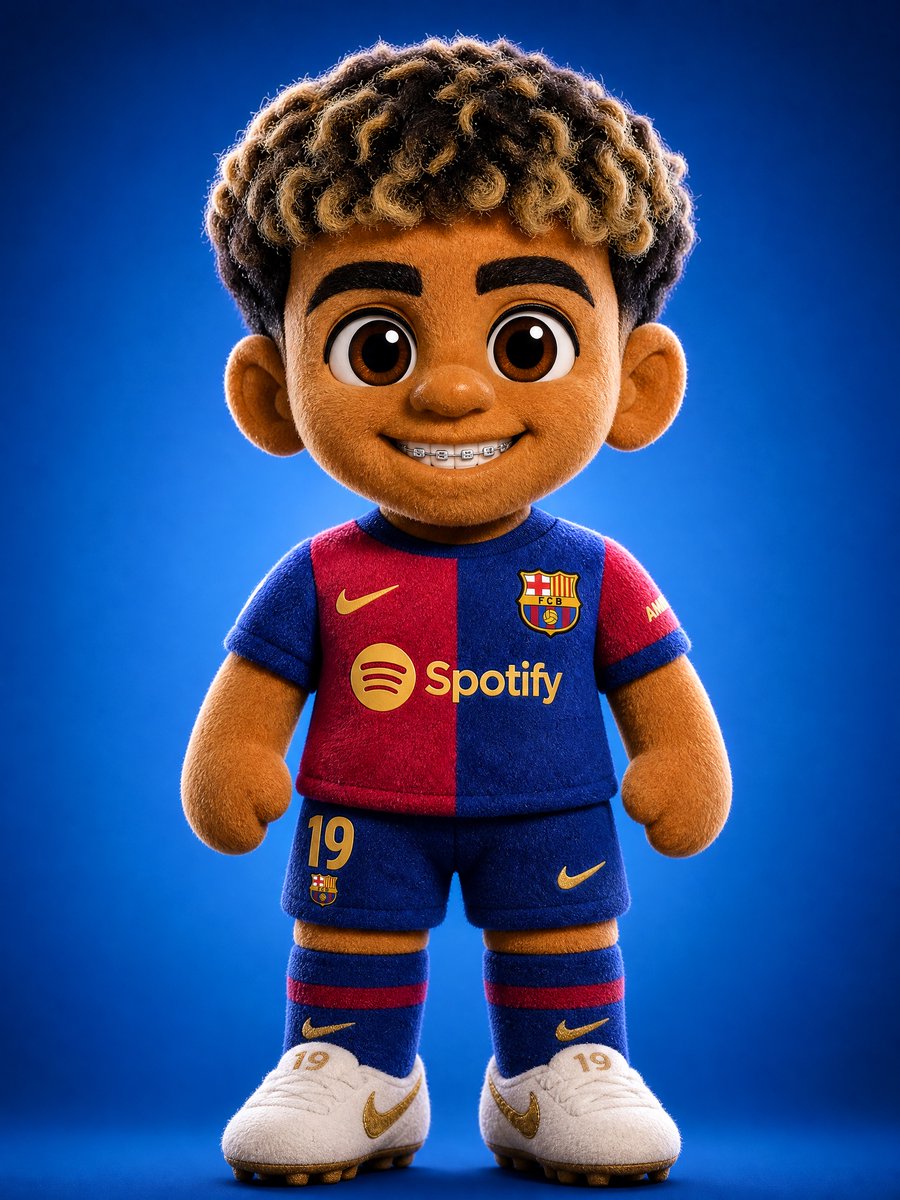

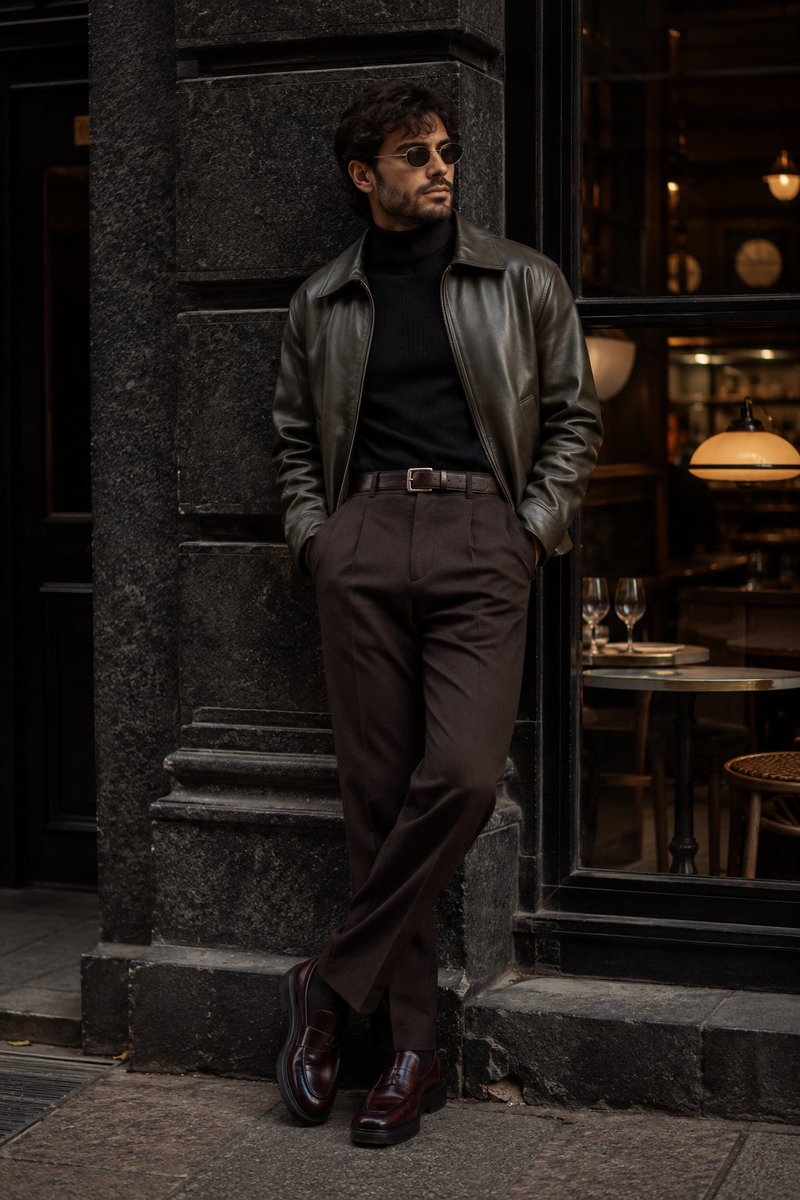
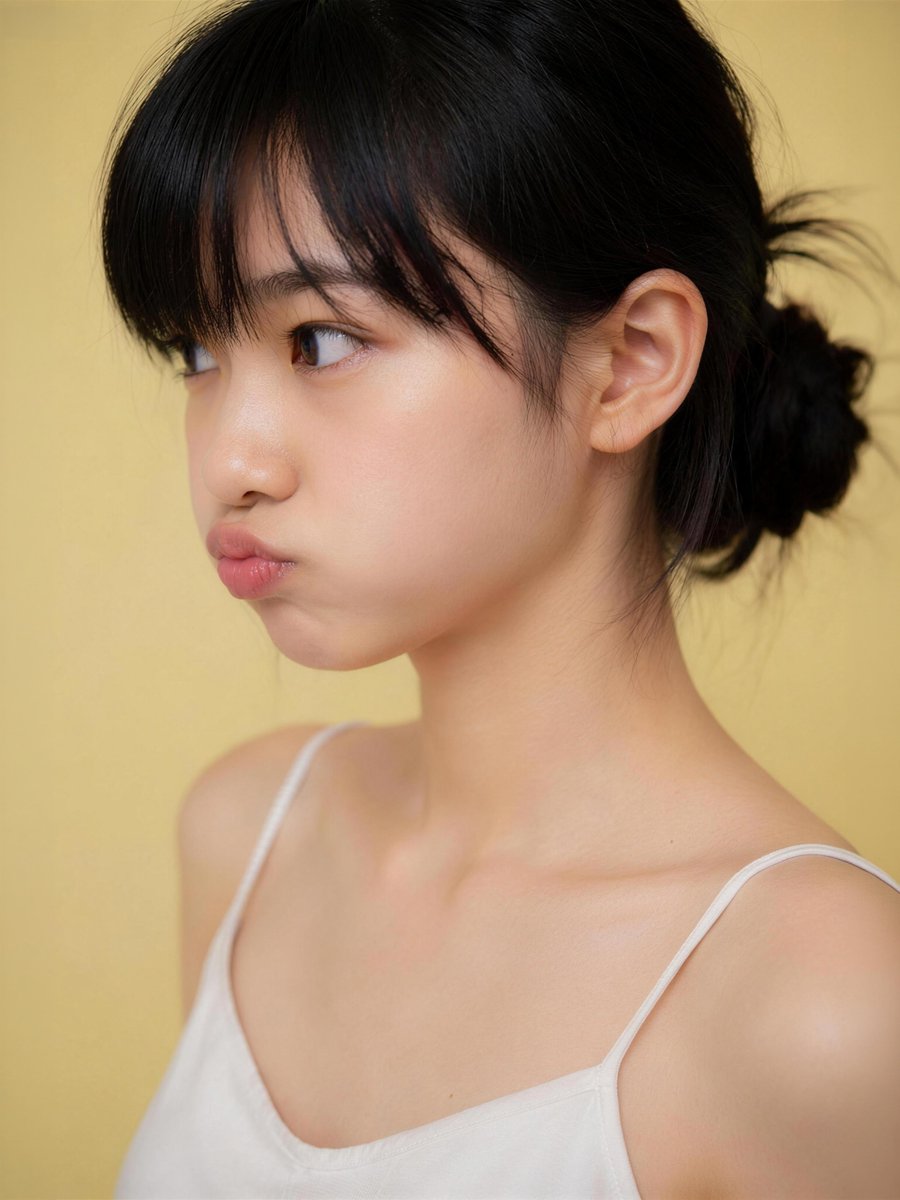
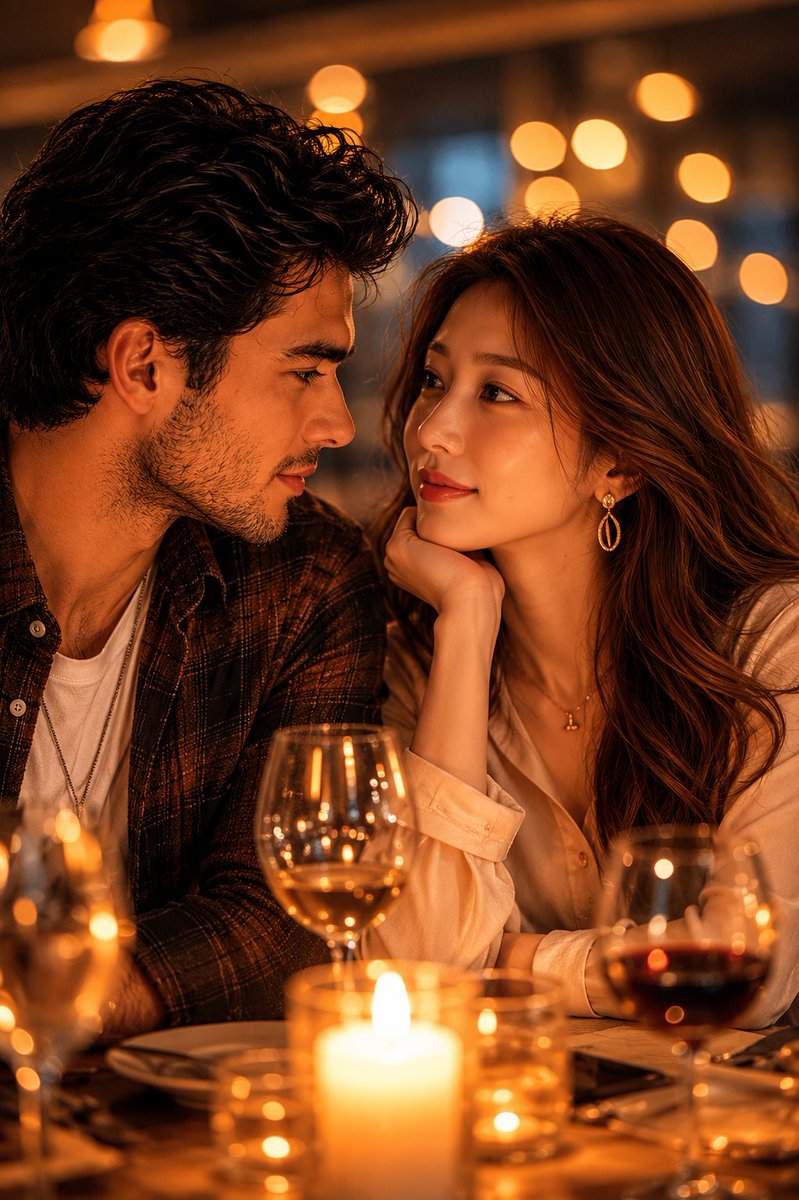
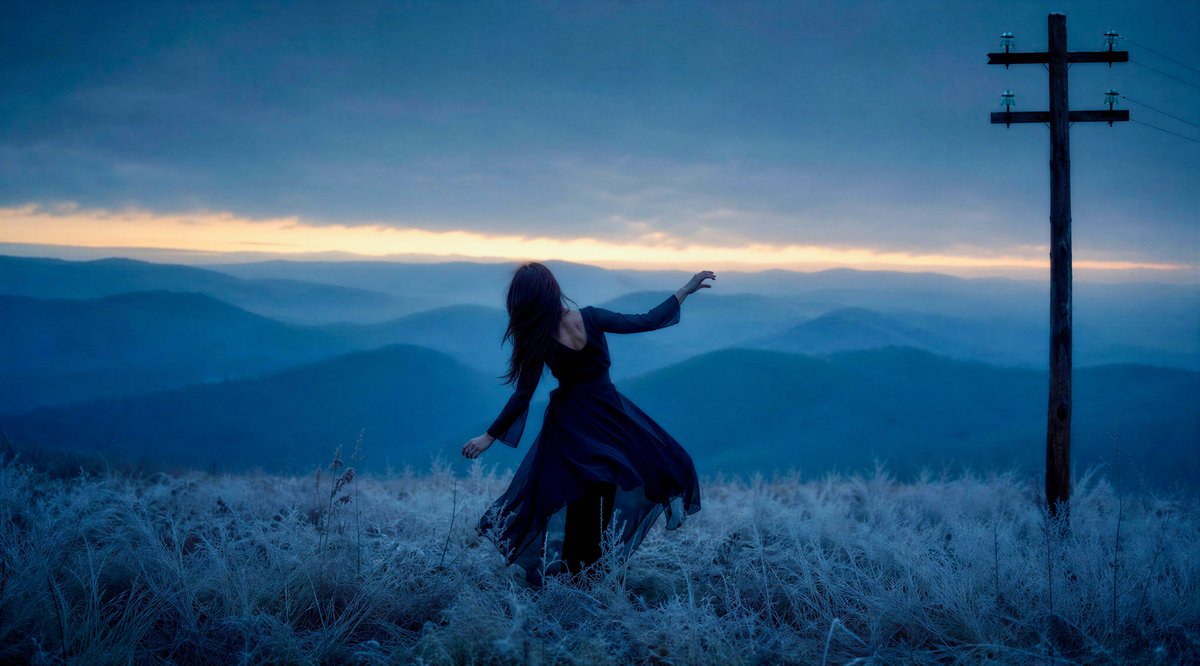
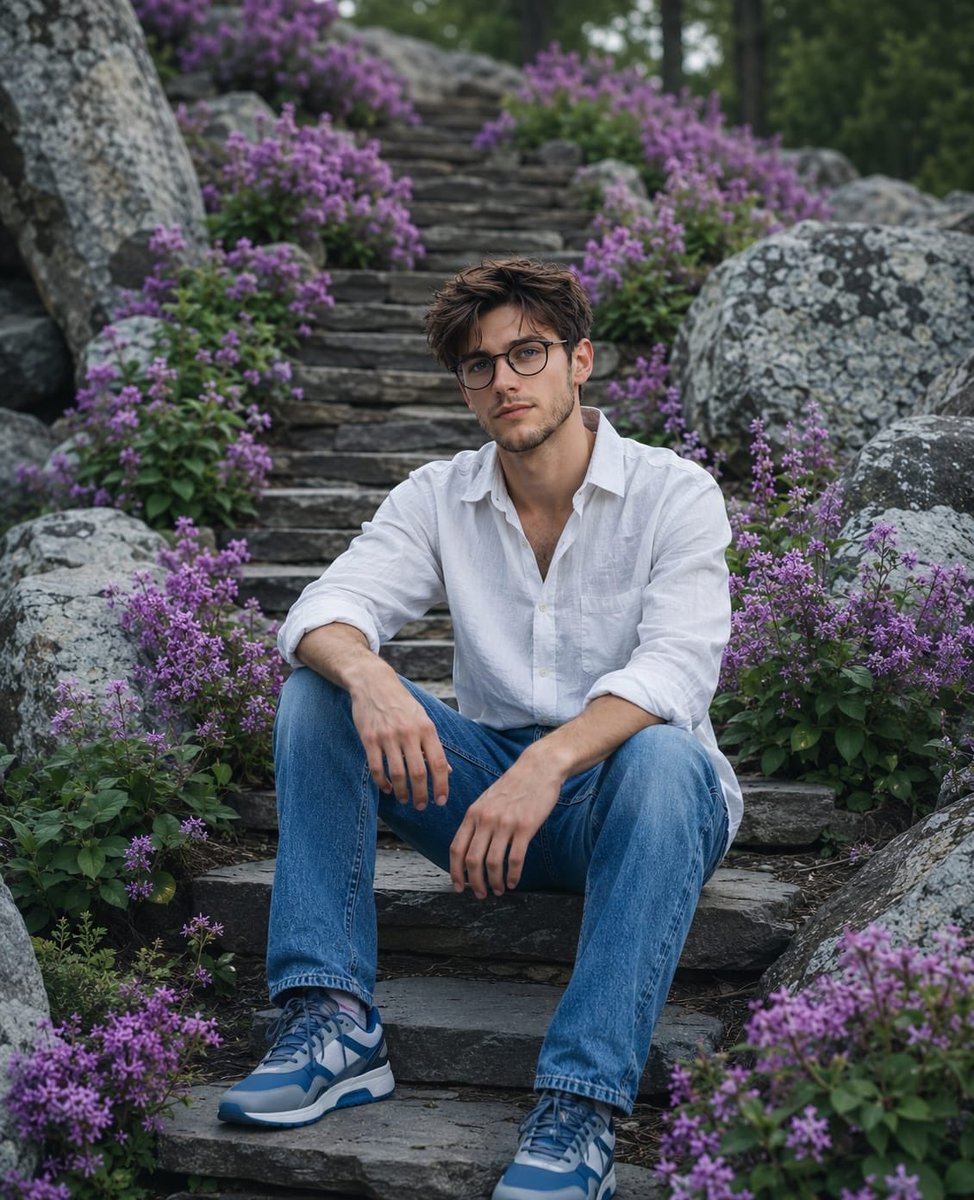
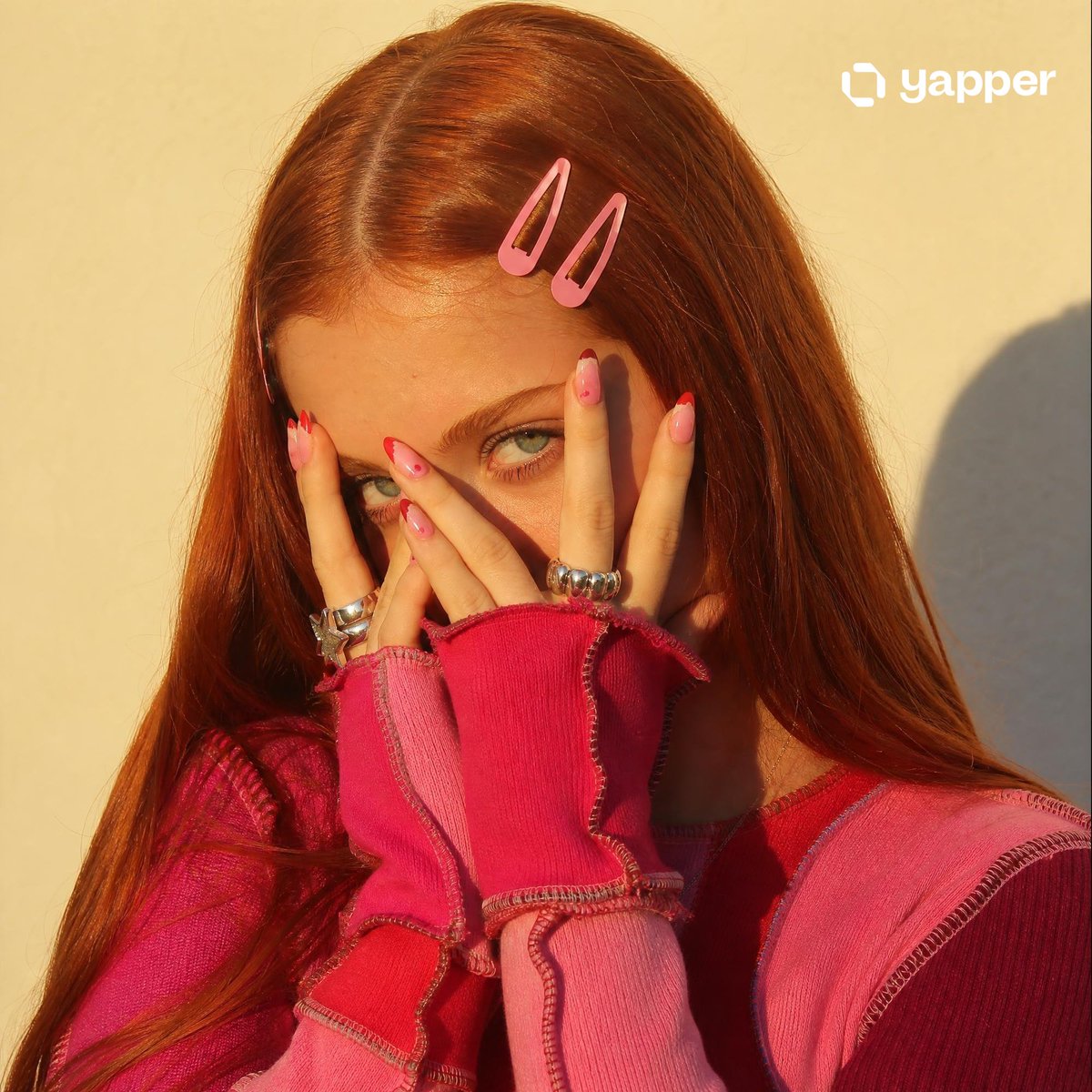
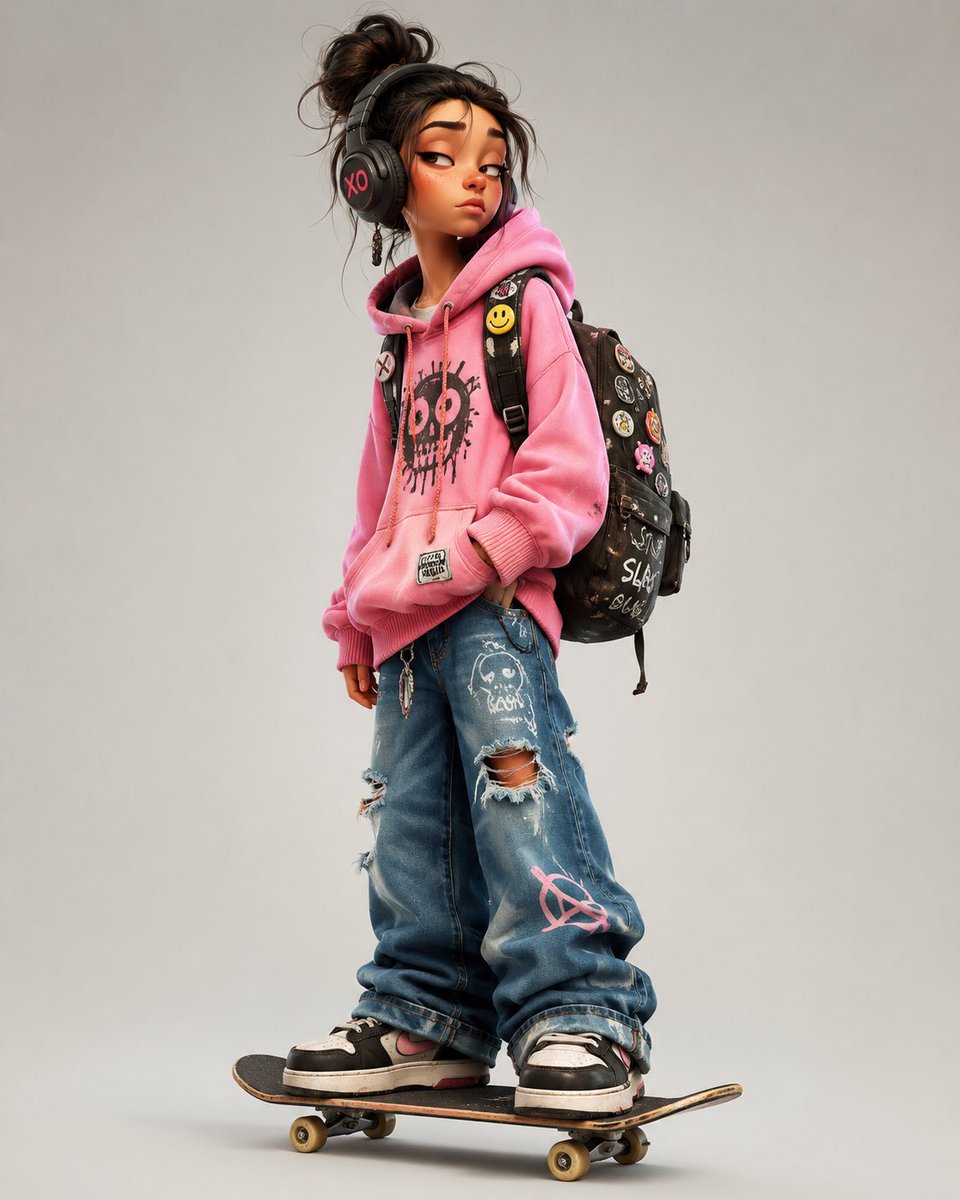
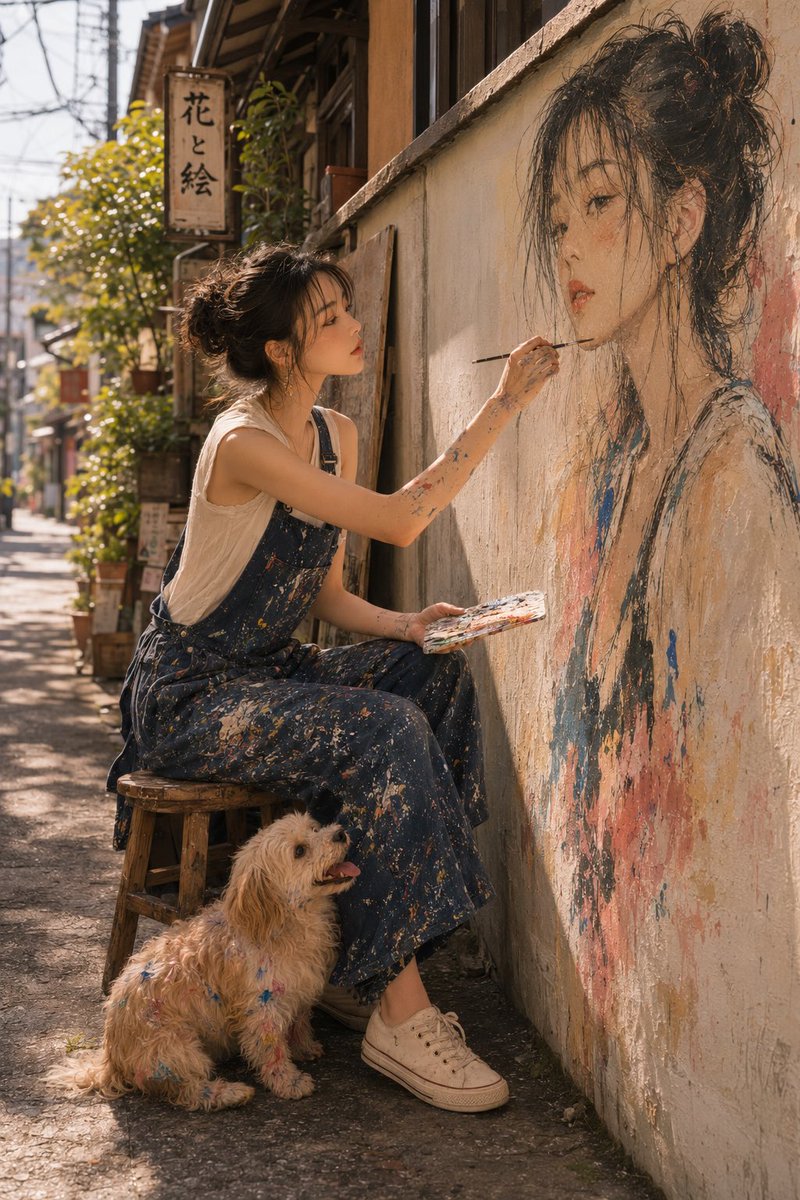
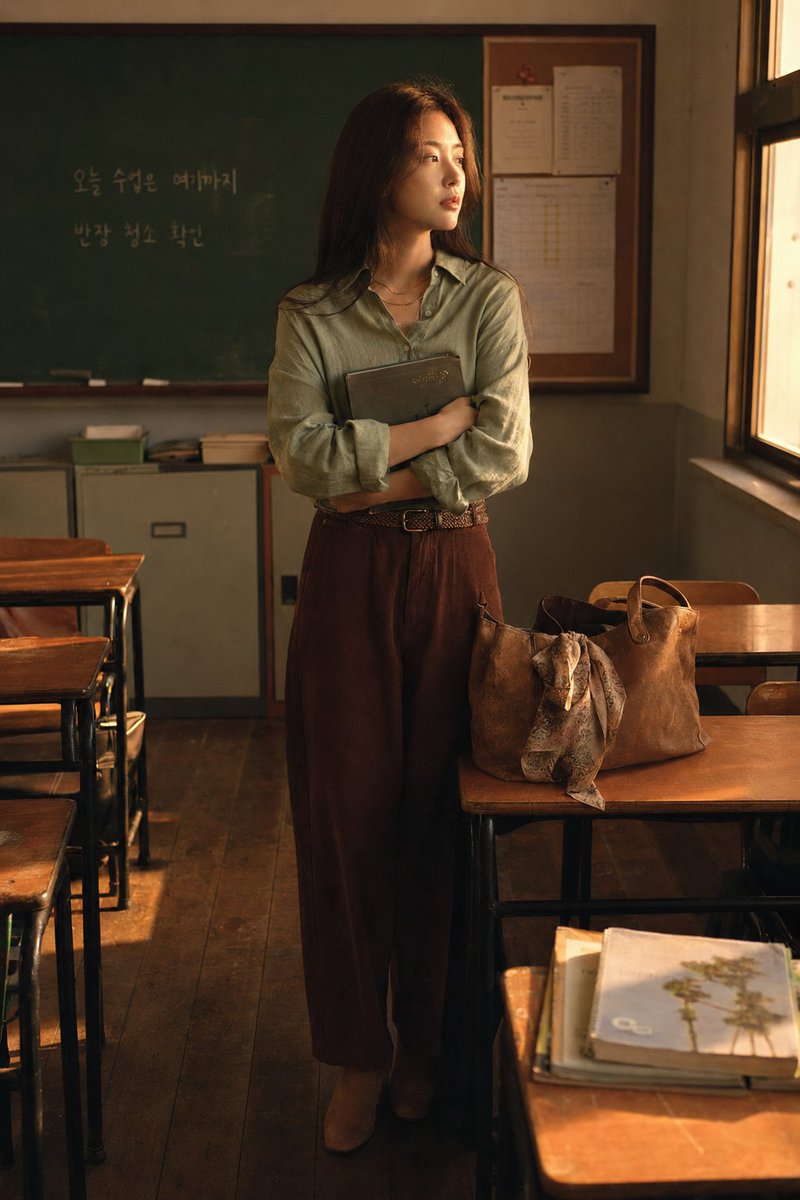
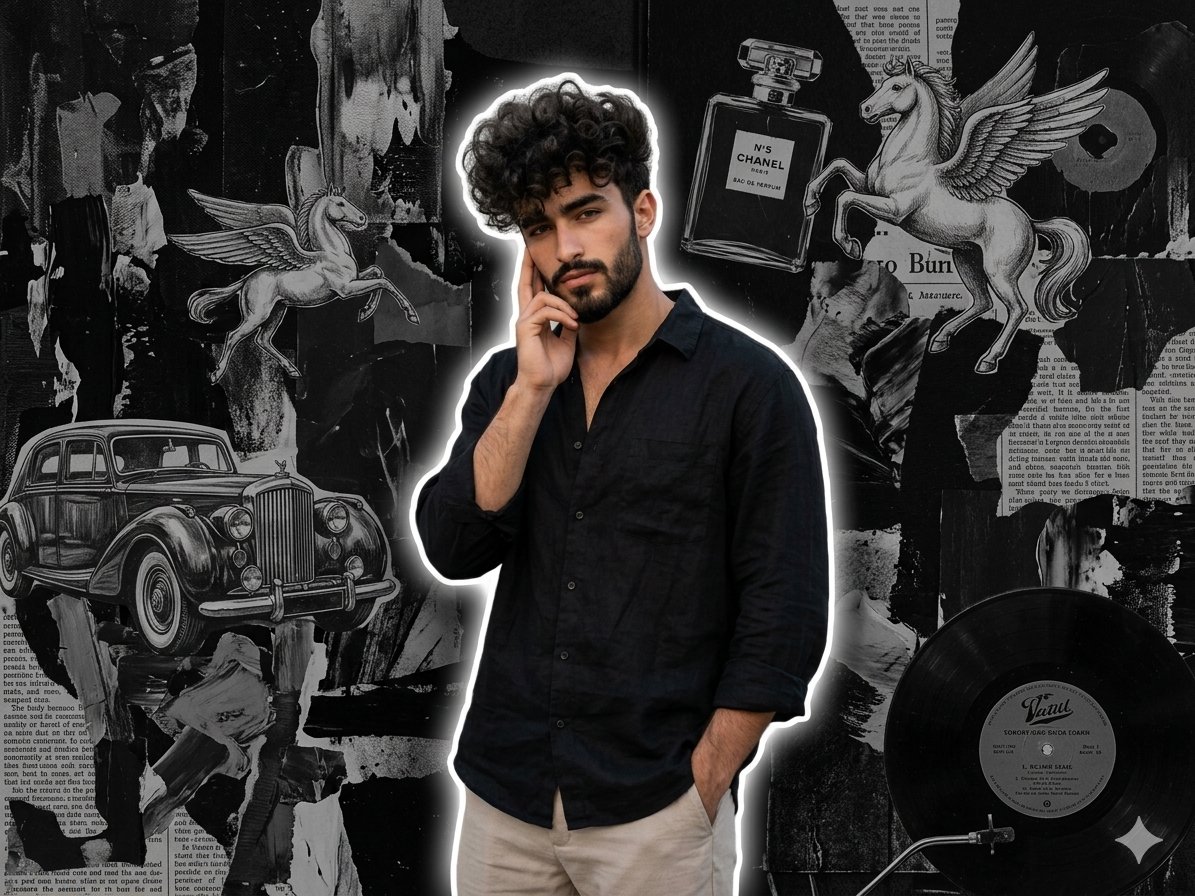
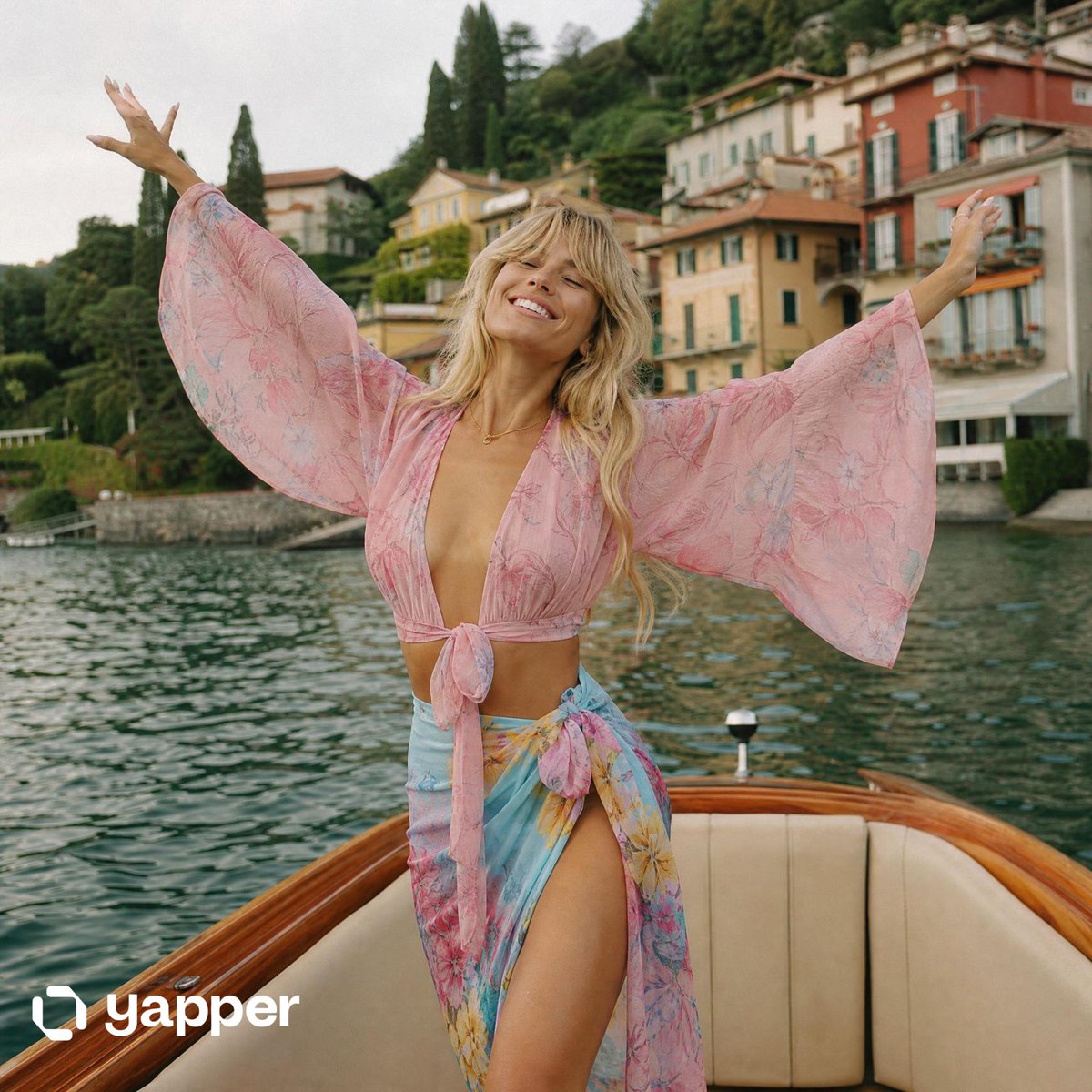
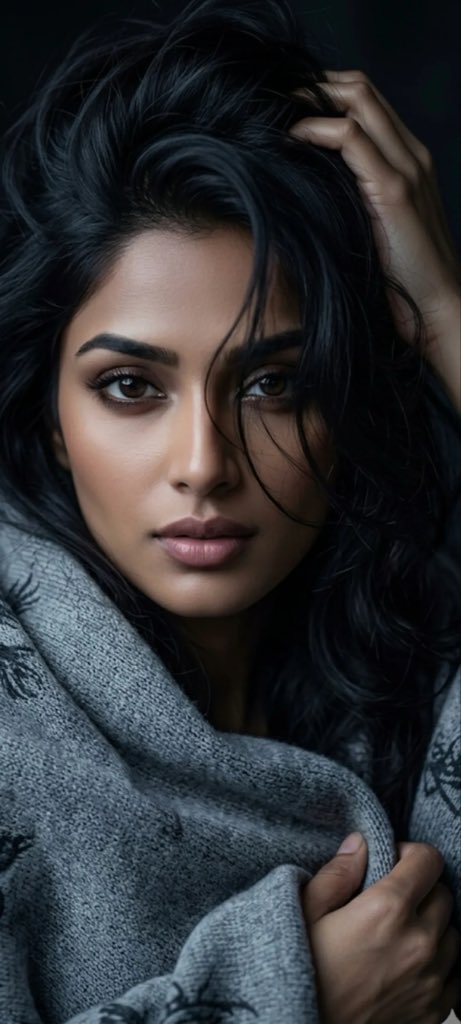
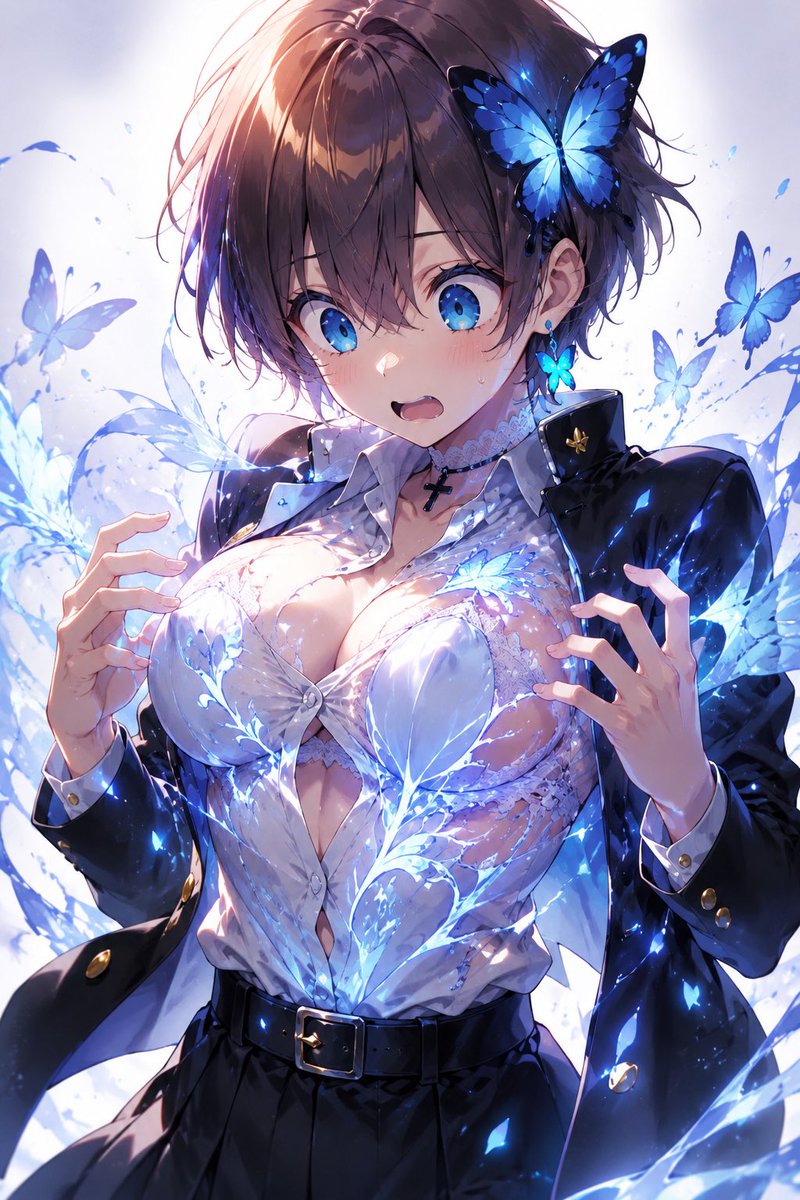

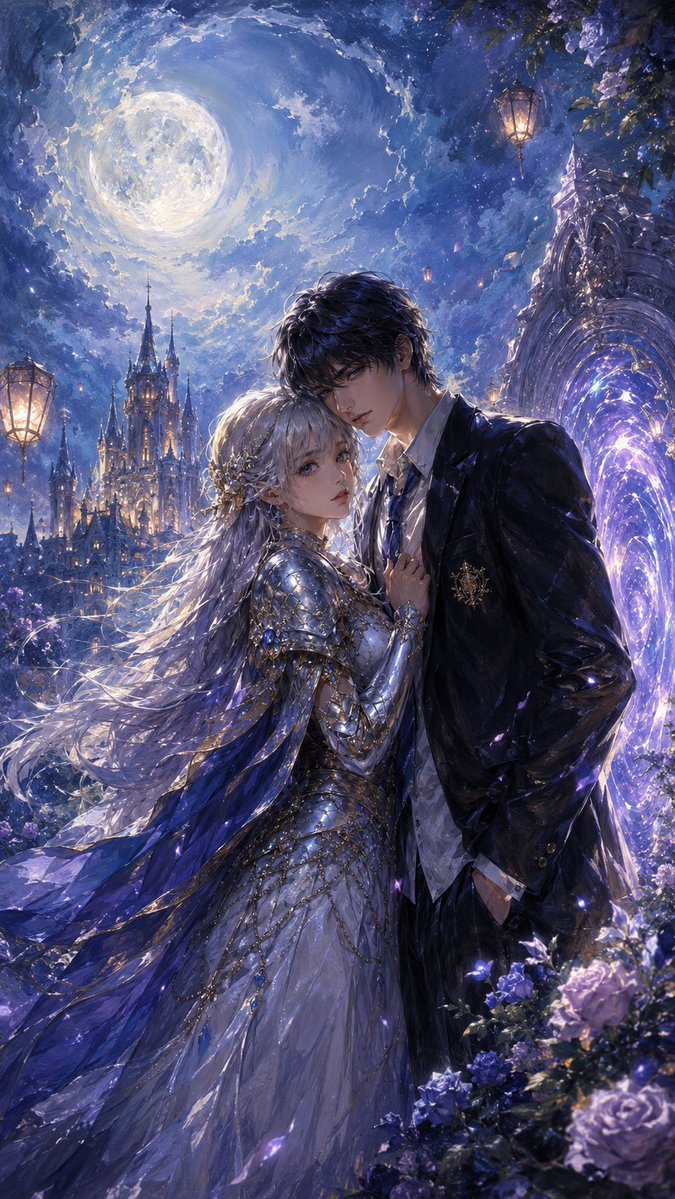
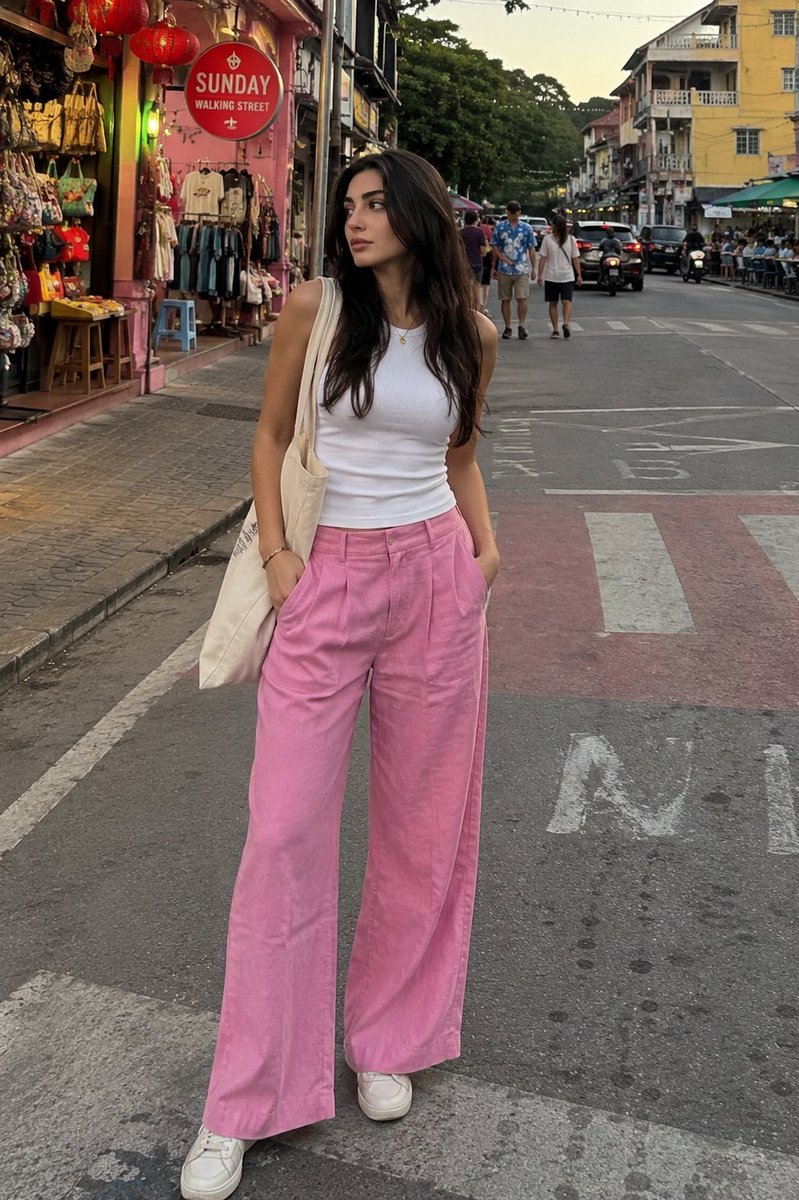
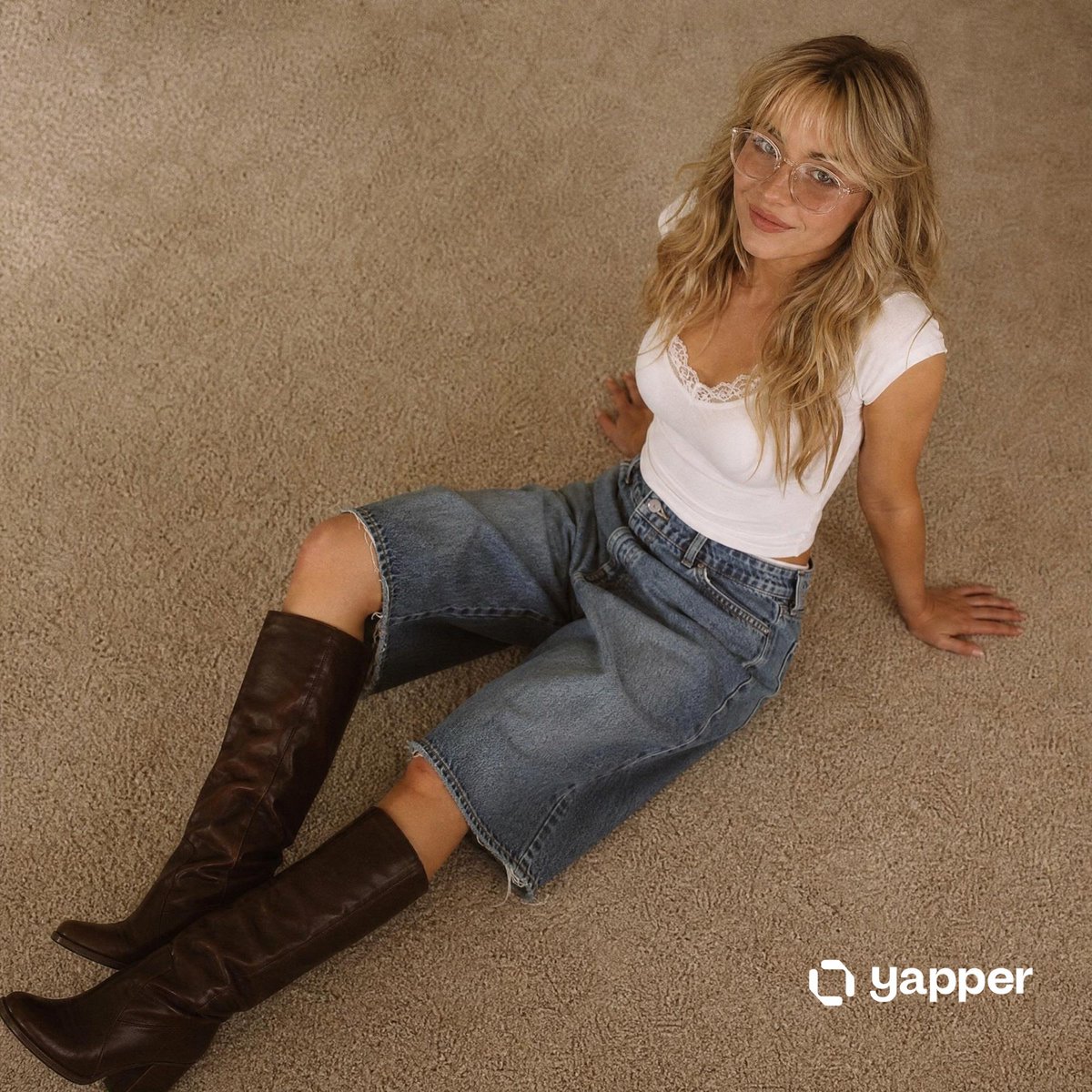
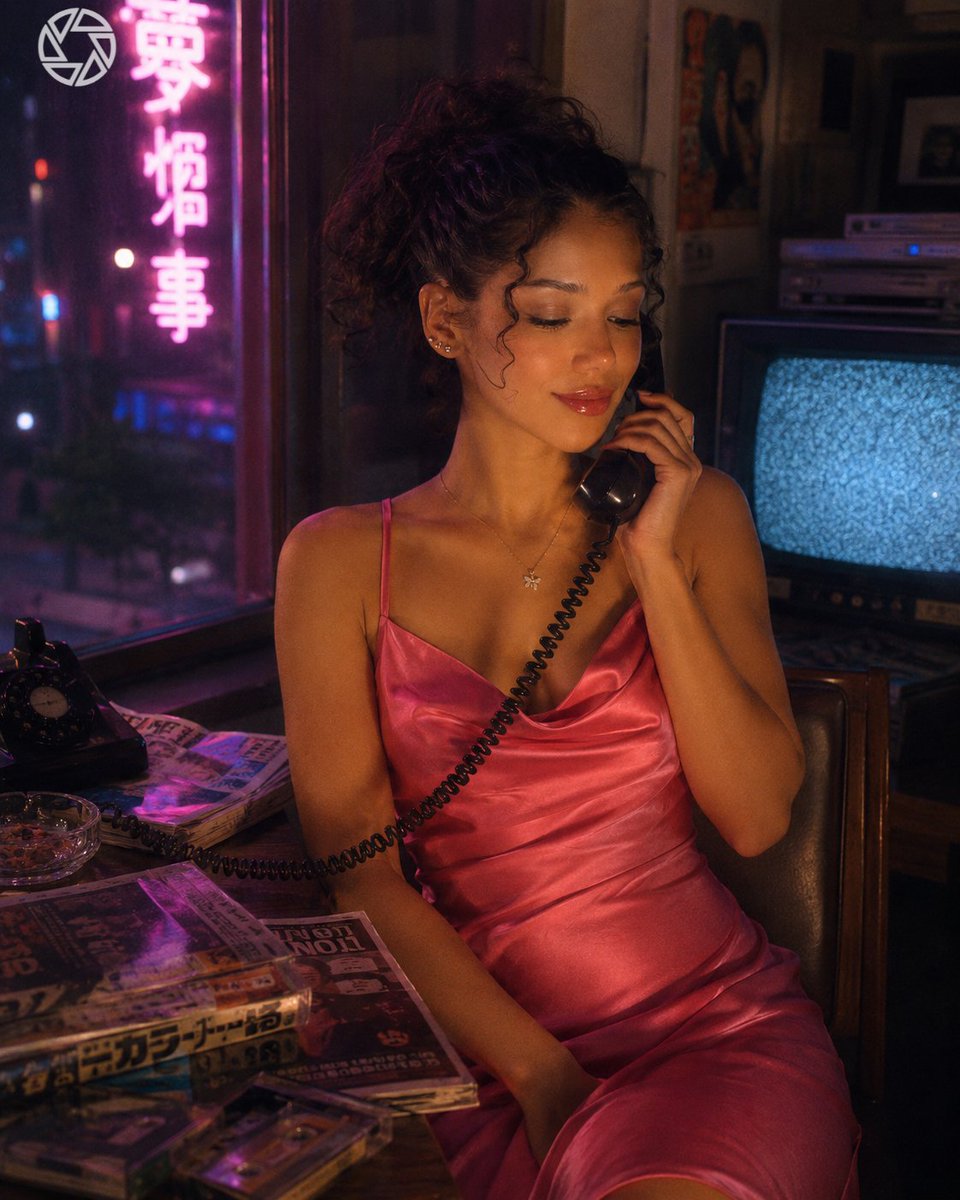

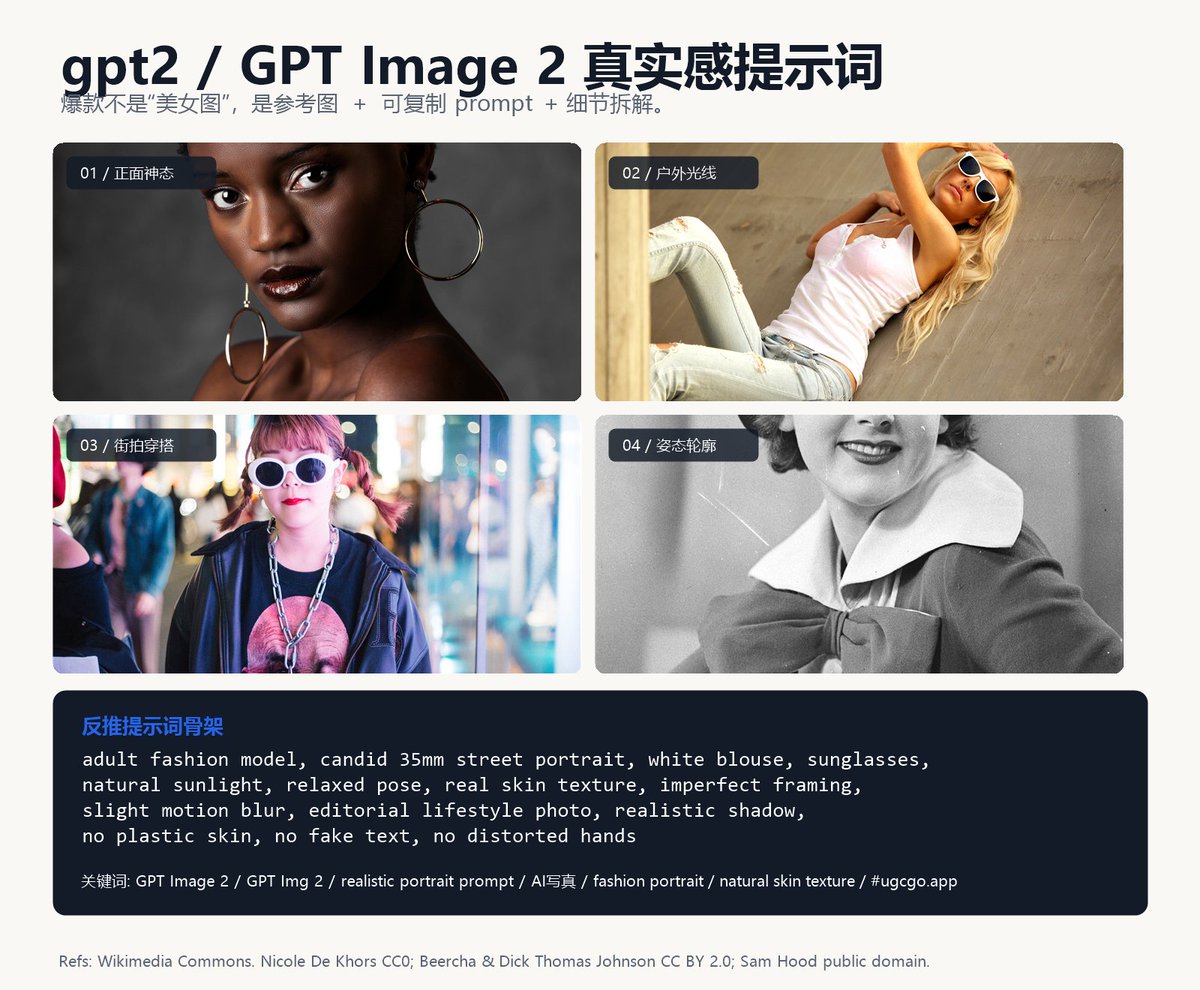
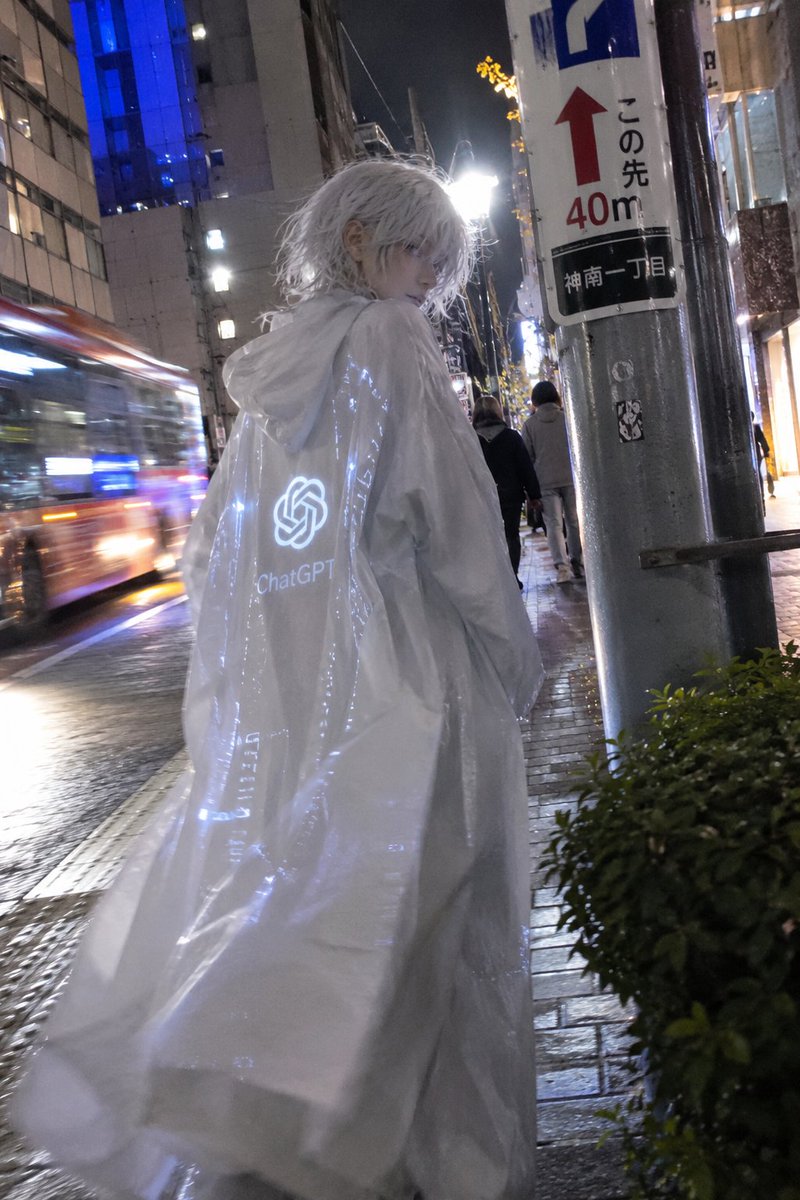
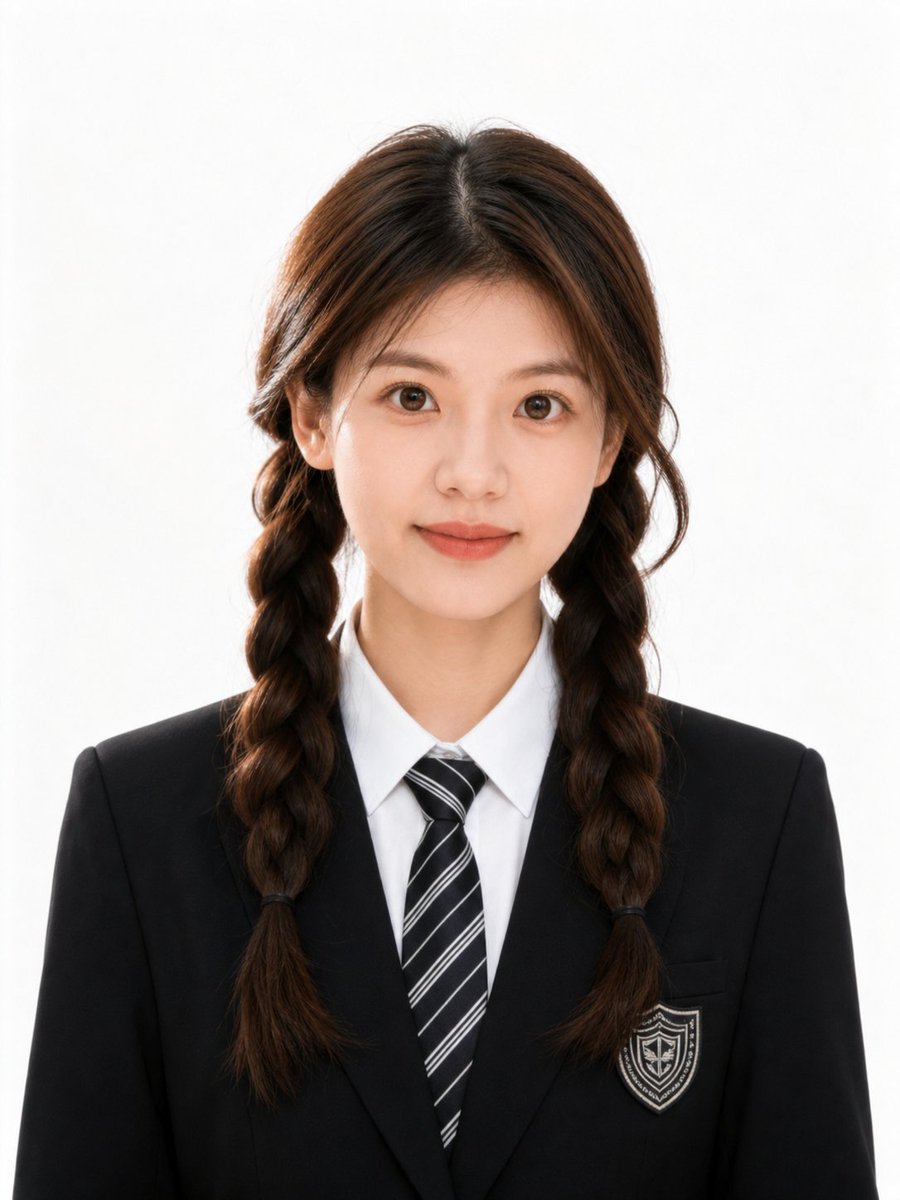

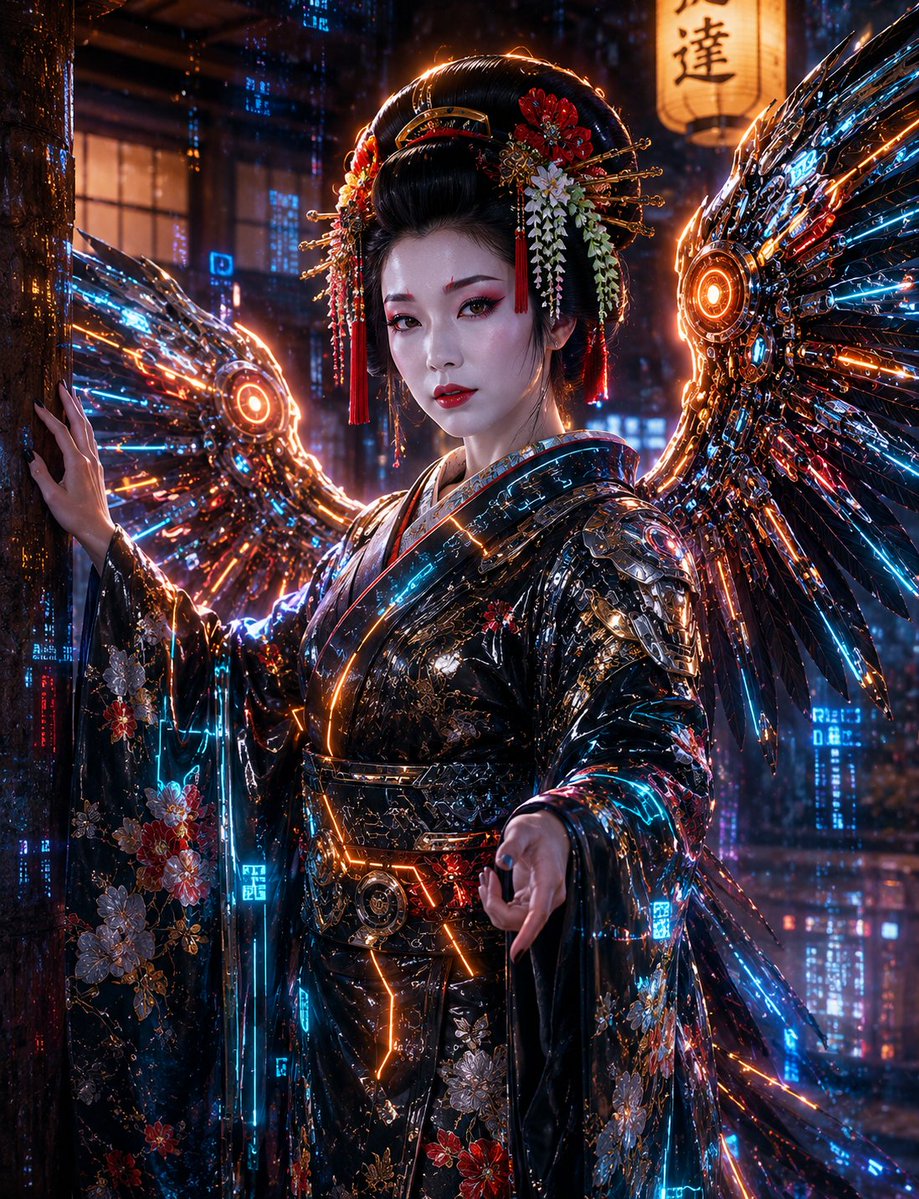
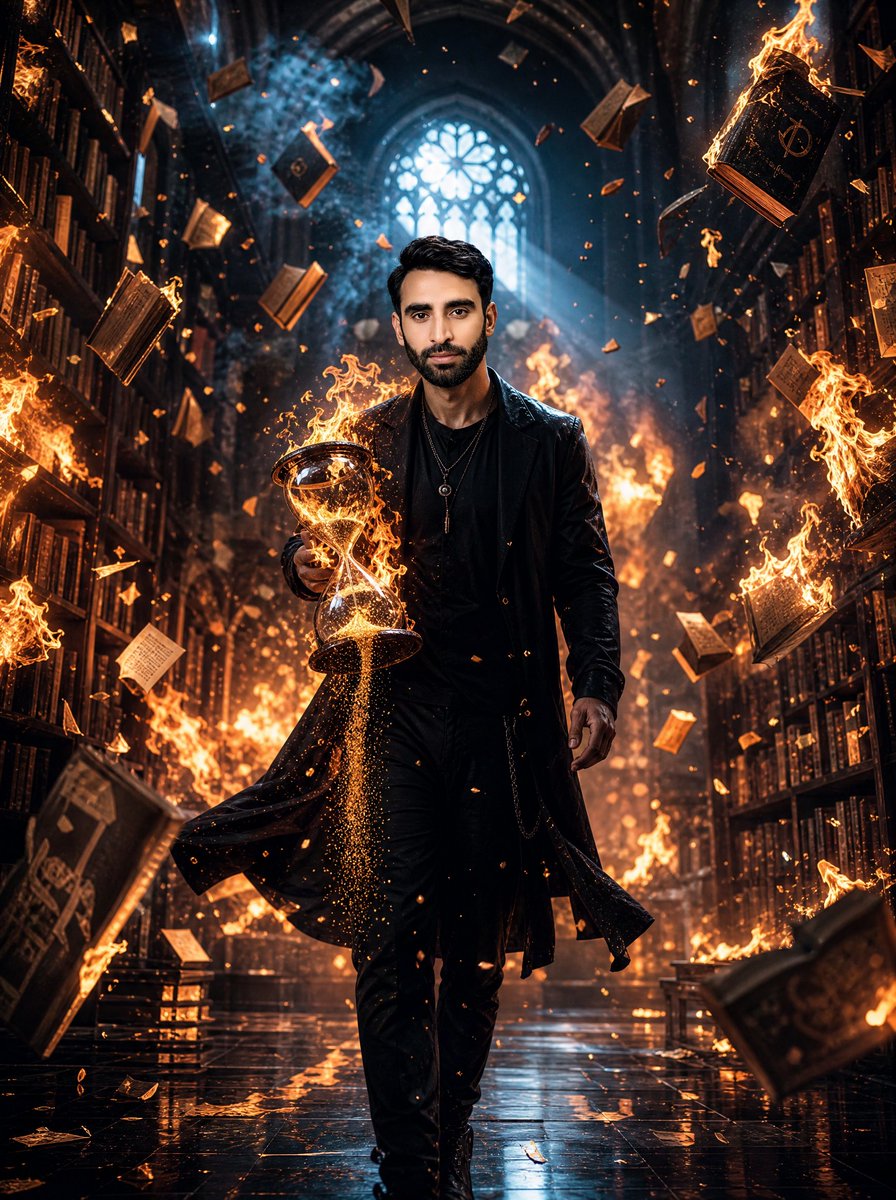
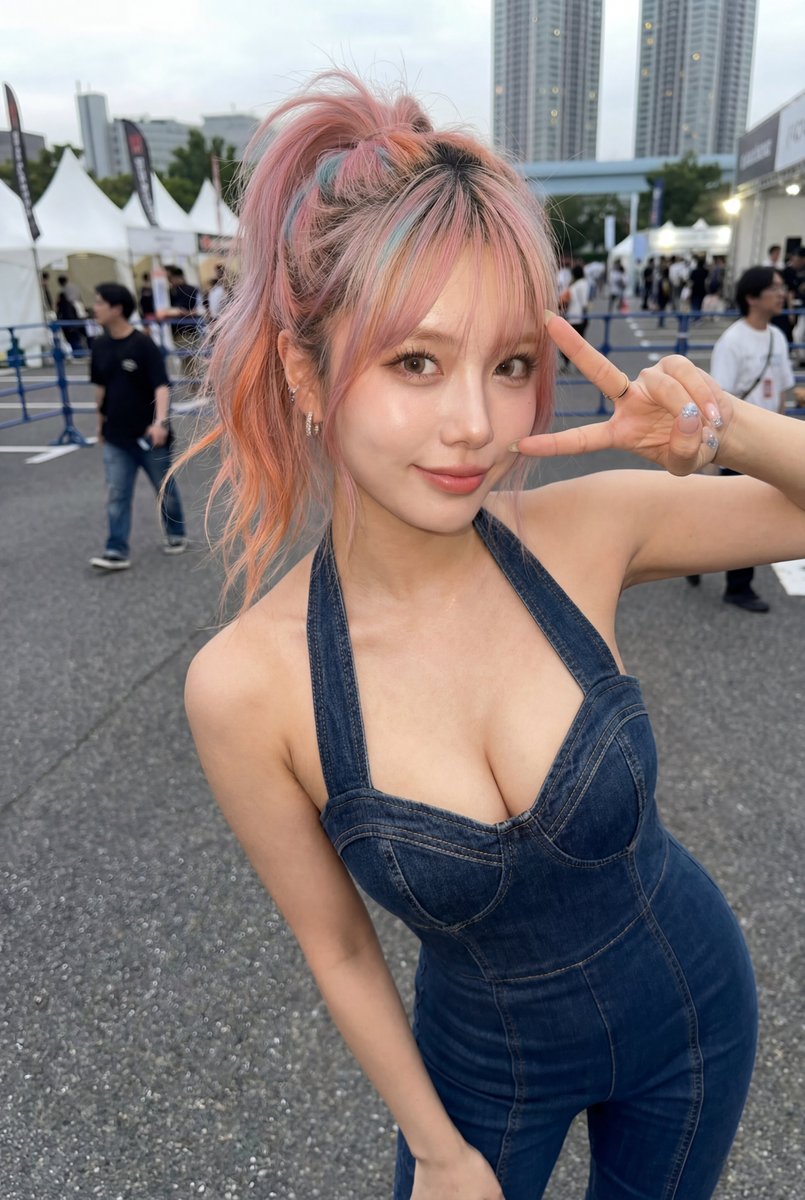
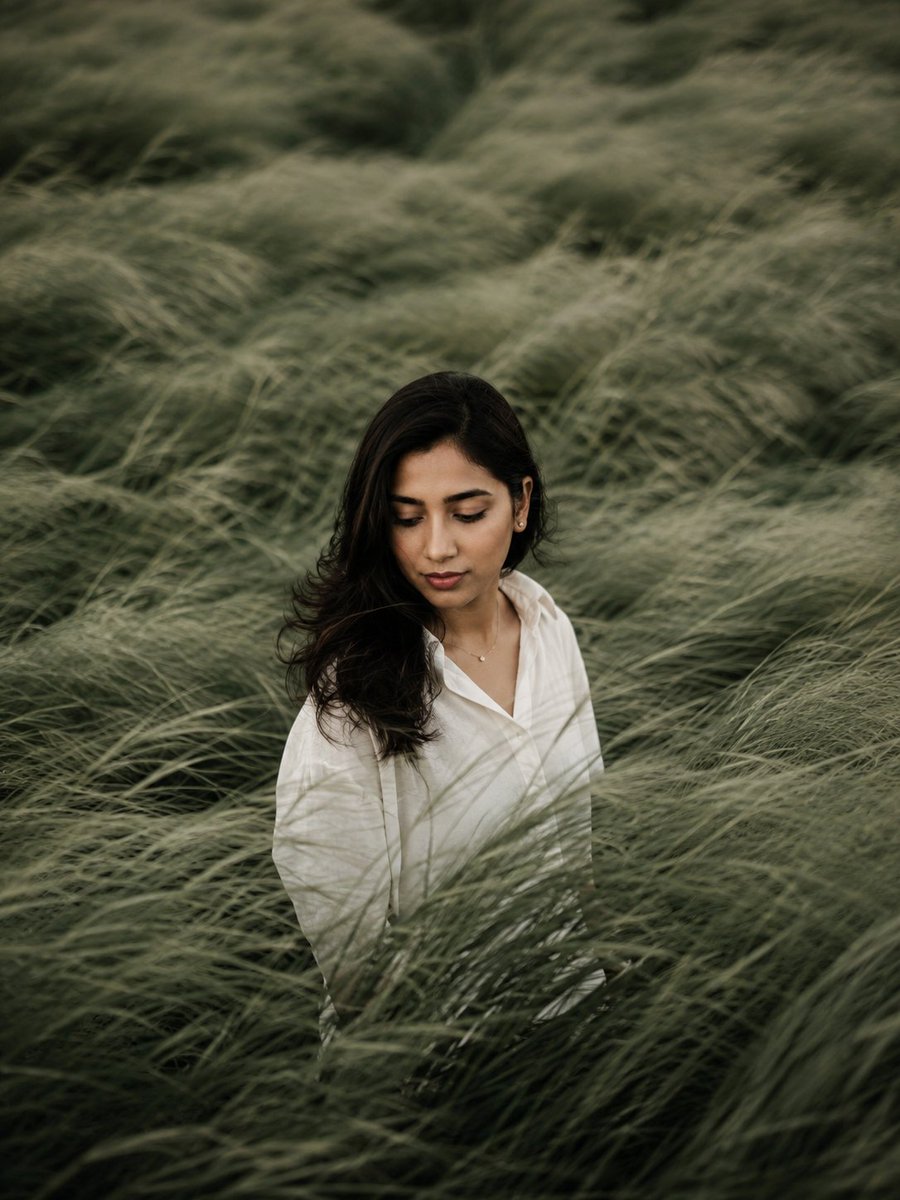
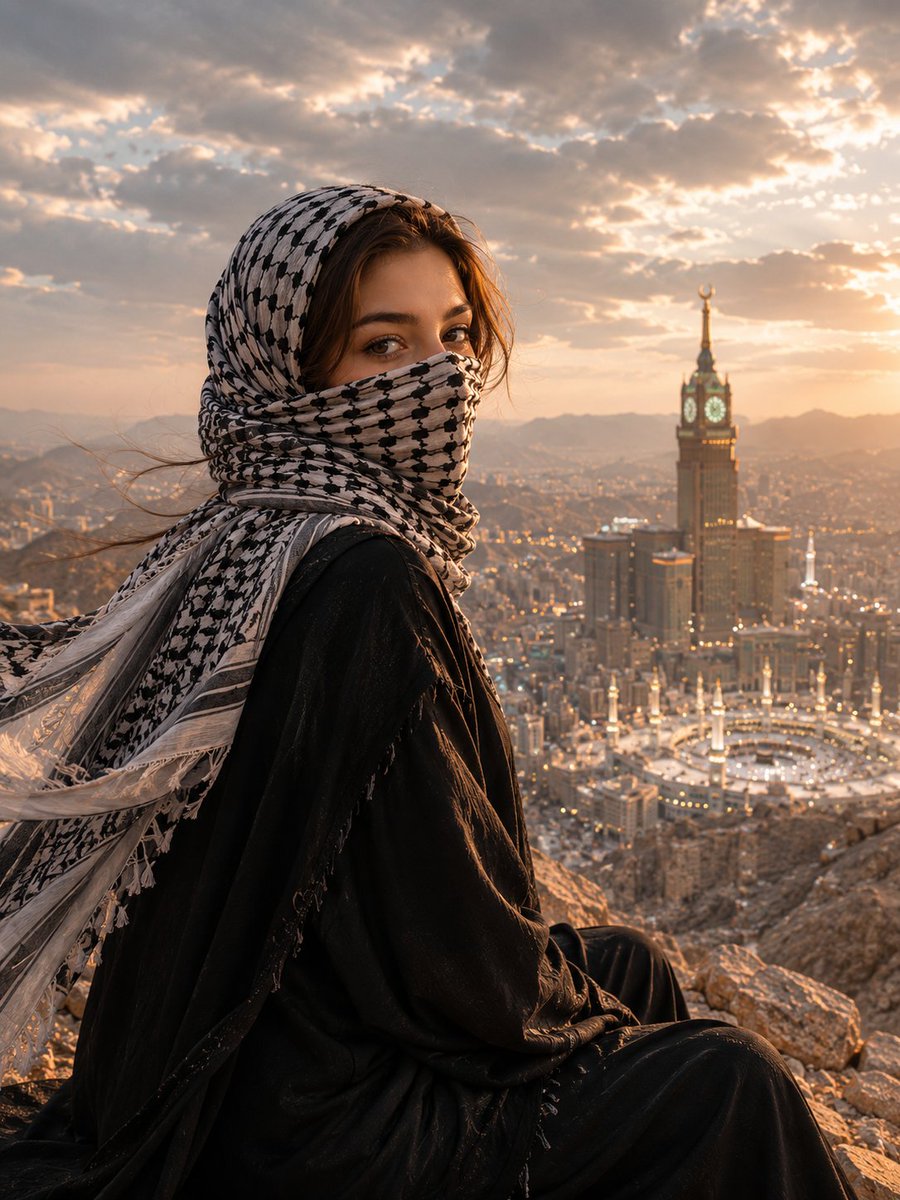
Load more (1837 left)
Prompt topic notes
About Portrait & Character AI image prompts
Explore 1937 GPT Image 2 examples for Portrait & Character. Each page keeps source attribution, prompt text, adaptation guidance, and commercial-use cautions close to the case grid.
What should an AI portrait prompt include?
Include the original subject or character role, expression, pose, wardrobe, hair, accessories, camera distance, lens feel, lighting, background, style, and any identity or endorsement constraints.
How do I write portrait prompts without likeness risk?
Describe original characters and generic attributes instead of celebrities, private people, or protected likenesses. Avoid implying endorsement or model-release clearance unless you have permission.
How should I adapt portrait prompt examples?
Change role, wardrobe, expression, pose, lighting, background, and crop first. Then tune realism, painterly style, or character-sheet treatment for your use case.